Customer segmentation is how Shopify brands turn a generic customer list into highly interested customers. Instead of blasting the same offer to everyone, you group shoppers by behavior (first-time browsers, repeat buyers, cart abandoners) and other variables to target them with relevant campaigns. The result? Higher conversions, stronger retention, and smarter use of your marketing budget.
In this guide, we will cover the benefits of customer segmentation, the types that actually drive sales, and real ecommerce examples to help you build powerful segments for your store.
What Is Customer Segmentation?
Customer segmentation is the process of classifying customers (or segments) into groups based on some common characteristics. When you tailor your marketing strategy for each of these groups, you target them in a more effective and relevant manner.
For example, if you are a DTC skincare brand, you can segment your customer list based on those who have bought from you in the last 2 months vs. those who have not. Your marketing communication to those who have made a recent purchase will be different (flash sale announcements, product bundle offers), and lapsed customers may receive special discounts to win them back.
Create your first customer segment in seconds
Benefits of Shopify Customer Segmentation
With customer segmentation, you can build personalized marketing campaigns that are rooted in customer data so they address customer pain points and needs.
High Conversion Rates
When you match a message to real intent, shoppers are more likely to act. Customer segmentation ensures you are not blasting a “10% off” coupon to a loyal buyer who would have purchased anyway. Instead, you are sending it to the lapsed customer who actually needs the nudge.
Lower Customer Acquisition Costs
Retention-driven customer segmentation reduces how much you spend chasing new customers. By converting existing browsers, subscribers, and past buyers, you squeeze more revenue out of the traffic you already have.
Increased Customer Lifetime Value (CLV)
Customer segmentation helps you build longer relationships. When you can identify replenishment customers, seasonal buyers, or high-AOV segments, you can nurture them differently and increase their lifetime spend.
Reduced Campaign Fatigue
Over-targeting everyone with the same messages leads to unsubscribes and disengagement. Customer segmentation ensures only the most relevant audience sees each campaign.
Sharper Channel Performance
Not every shopper responds to every channel. By segmenting based on push vs. email vs. SMS engagement, you optimize deliverability and channel ROI.
Smarter Resource Allocation
Instead of treating your customer base as a single, undifferentiated group, customer segmentation shows you which groups drive revenue. The high-value segments are where you channelize your marketing resources.
Top 6 Segmentation Types You Actually Need
Most ecommerce blogs will tell you to segment by age, gender, or city. But that is correlation-based segmentation, that is, assuming customers act a certain way because they belong to a demographic.
Buyers do not purchase a moisturizer because they are 29 years old, living in LA. They buy because they have just run out of their last jar, need a replacement, and trust your brand.
That is causation-based segmentation rooted in why a shopper takes action, not their gender or culture. It is more predictive and relevant than fluid customer demographics that may or may not affect buying decisions.
Here are the segmentation types that actually drive conversions for Shopify brands:
Lifecycle Stage Segments
Group customers by where they are in their buying journey: first-time visitors, repeat buyers, or lapsed customers. Match your messages to intent (welcome series vs. reactivation campaigns).
Pro tip: Use the customer journey filters in PushOwl to build “first-time buyer” or “churn-risk” segments that can auto-trigger personalized campaigns.
Purchase Frequency and Recency Segments
Create segments based on who bought recently, who buys often, and who has not purchased in a while, and who has not bought at all. Such signals help you shape your winback flows. Set filters for your segments accordingly:
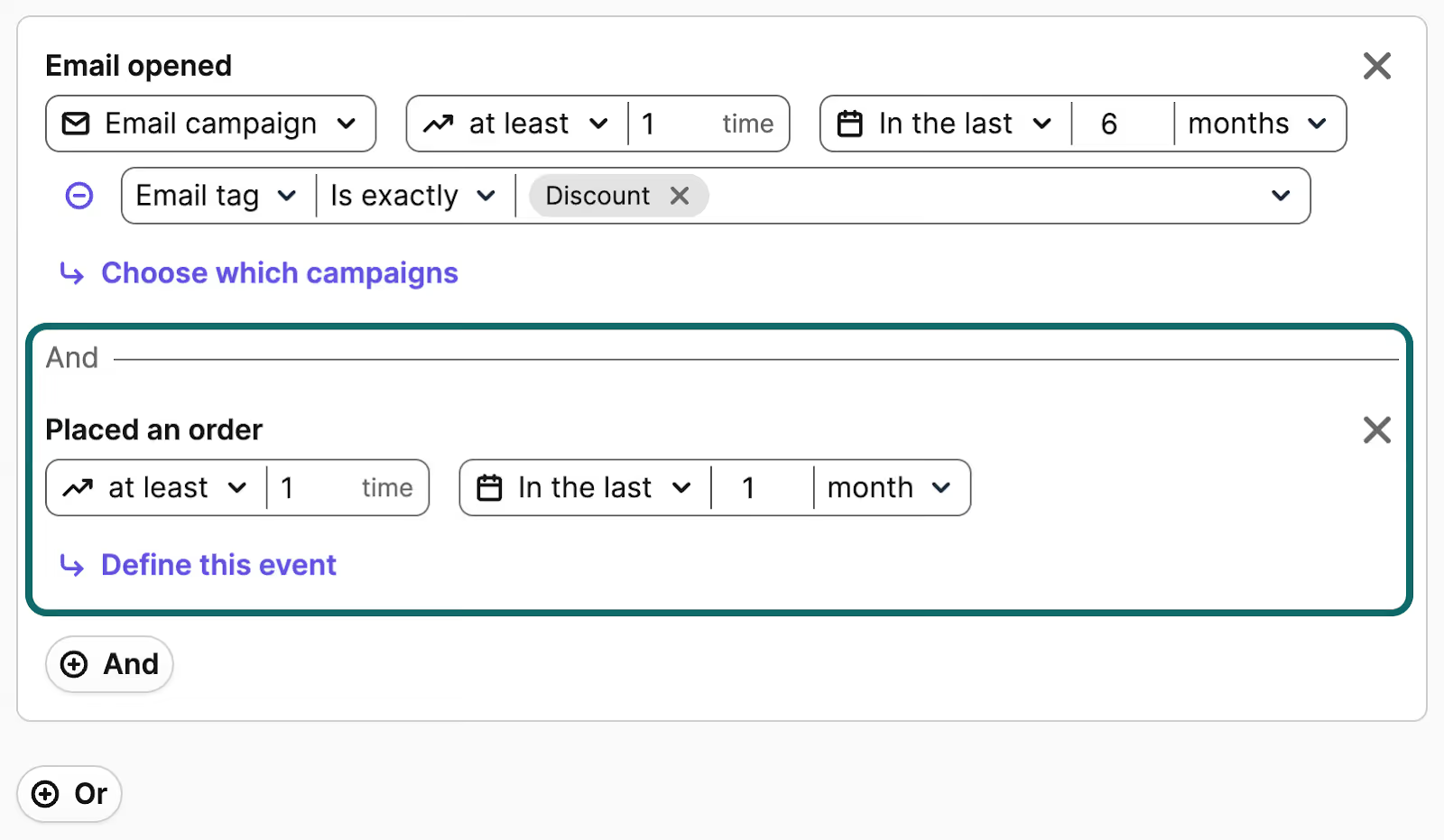
Pro tip: Segment users by last purchase date and number of orders. Pair this with replenishment reminders to drive repeat sales.
Engagement-Based Segments
Some shoppers open every email or push; others ghost you. Segmenting by activity level helps you identify who is leaning in and who needs a reactivation nudge.
Pro tip: With PushOwl, you can segment by open/click activity across push, email, and SMS. Target your “highly engaged” audience with exclusive drops, and run separate reactivation flows for the quiet ones.
Cart and Browse Abandoners
A classic, but still top-performing: Segment based on users who showed intent (viewed, added, or initiated checkout) but did not finish.
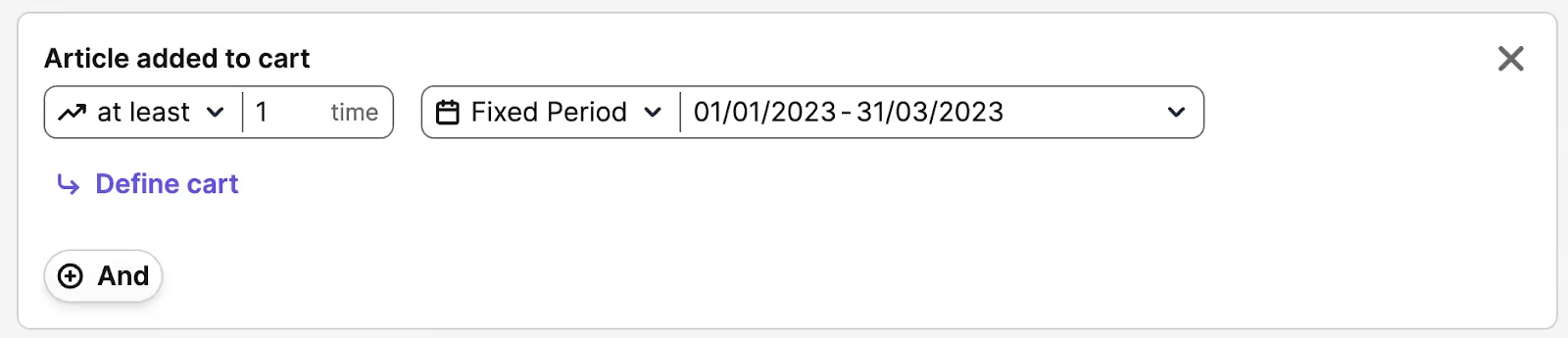
Pro tip: PushOwl’s cart abandonment filters make it easy to create segments like “added to cart but no purchase in 24 hours.” Layer in urgency with ecommerce marketing automation flows.
Product Affinity Segments
Group shoppers by the categories, SKUs, or price ranges they interact with most. Think “bought sports shoes twice in 90 days” or “only browses premium items.”
Pro tip: You can target buyers of a category with complementary items, or upsell premium buyers with higher-margin recommendations.
Channel Preference Segments
Some customers always click on emails.
Others only engage via push or SMS.
Segmenting by response channel avoids wasted effort and improves deliverability.
Pro tip: In PushOwl, you can filter by channel engagement to see which shoppers respond better to push vs. email vs. SMS, then route campaigns through the right channel.
Create auto-updating segments with Brevo
Customer segments that are not based on buying behavior also exist. These types of customer segments are important too, but are not as effective as behavioral segmentation:
- Demographic segmentation, which is based on age, gender, occupation, income level, religion, and other demographic characteristics of customers
- Geographic segmentation, which is location-based customer segmentation
- Psychographic segmentation, which is based on a customer’s likes/dislikes, lifestyle factors, and personality traits
You can layer the above kinds of segmentation into your behavioral segments.
6 Customer Segmentation Metrics You Need To Measure
The wrong metrics (like vanity email open rates) create false confidence and skew foundational data for future marketing campaigns. Know which marketing metrics are relevant for successful customer segmentation:
Conversion Rate of Each Segment
What it shows: Which segment is most primed to purchase from you
Formula for conversion rate per segment:

Why it matters: It shows you which segments to target with a loyalty program, and which ones require winback sequences.
PushOwl’s campaign analytics automatically attribute orders to the segment they came from. You can run A/B tests across segments (e.g., “cart abandoners” vs. “high-frequency buyers”) and see which segment is the most profitable.
Revenue Contribution by Segment
What it shows: How much actual money (and not just clicks that do not lead to any revenue) each segment is responsible for. This filters out vanity metrics and gets you to ROI.
Formula for revenue contribution by segment:

Why it matters: A segment of just 500 high-intent customers can outperform a 10,000-subscriber list if they generate repeat orders.
PushOwl ties every order back to the campaign and the segment that drove it. You can directly compare “revenue lift” between product affinity segments or lifecycle groups.
Engagement Depth
What it shows: Not just if users engage, but how consistently and how often. This separates casual engagers from true loyalists.
Formula for engagement depth:

Why it matters: A segment that clicks on three different campaigns in a month is far more valuable than one that clicks once.
With PushOwl, you can track multi-channel engagement (push, email, and SMS) at the segment level to identify which customers react more positively to a specific marketing channel. This can form the basis of your omnichannel marketing strategy.
Retention Rate per Segment
What it shows: How effective segmentation is at keeping customers around for repeat purchases.
Formula for retention rate per segment:

Why it matters: If your “subscription buyers” retain at 70% but “seasonal buyers” drop to 20%, you know which group needs more nurturing.
Use PushOwl’s lifecycle filters to track whether “churn-risk” or “at-risk” customers are reactivating after targeted winback campaigns.
Campaign Fatigue Signals
What it shows: Indications of over-messaging a segment. Engagement drops, unsubscribes rise, and conversion flattens.
Formula for campaign fatigue signals: It depends on what you deem as fatigue signals, but here is an example:

Why it matters: Over-targeting high-intent segments (like cart abandoners) can backfire if you hit them too often.
You can set rules like “exclude anyone who has already received five campaigns in the last 14 days” to reduce fatigue.
Segment-wise CLV
What it shows: Identifies the segment that delivers long-term value and not short bursts of revenue.
Formula for segment-wise CLV:

Why it matters: Segments with high conversion rates are not necessarily the most profitable over time. CLV tells you where to invest for retention.
When combined with Shopify data, PushOwl can map repeat order frequency and AOV per segment, giving you a working CLV model to prioritize long-term retention campaigns.
Track your marketing metrics with Brevo and Google Analytics
Steps for Customer Segmentation
Too many Shopify brands stop at “let’s target by demographics” and never build a repeatable framework. Here is a step-by-step blueprint for customer segmentation for your Shopify store:
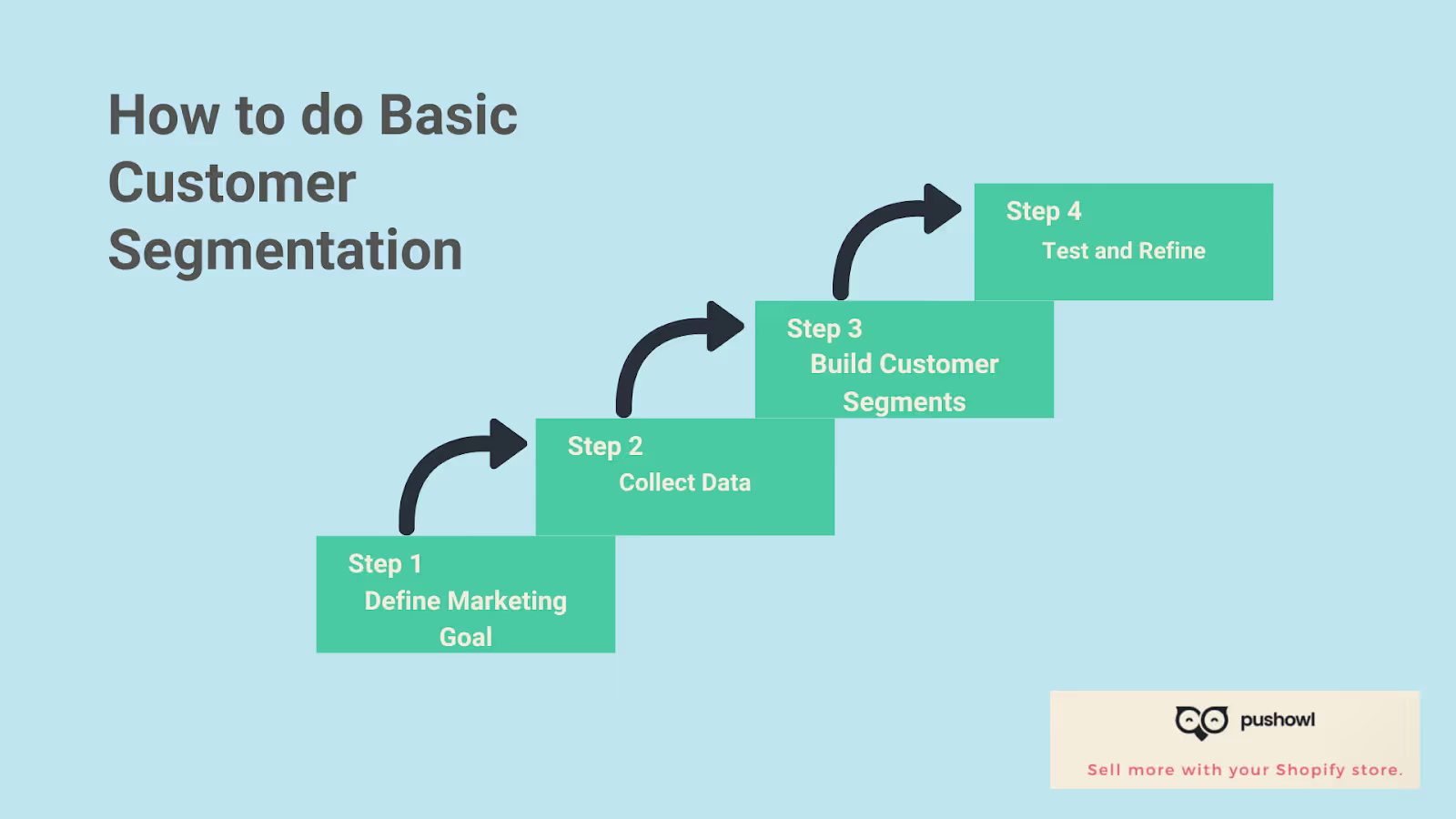
Define Marketing Campaign Goal
Do not start by slicing customer lists. First ask: What business outcome do you want to achieve?
Higher AOV?
More repeat orders?
Reduced churn?
Your Shopify segmentation strategy should flow from that goal.
Collect the Right Data
Causation-based segmentation depends on behavioral data. Customer personas can take you only so far. Beyond customer demographics, you need to track website browsing behavior, cart activity, purchase frequency, and channel engagement.
Identify Core Behavioral Segments
Start with the segments that map cleanly to intent:
- First-time buyers vs. frequent buyers
- Customers who abandon carts or leave the website while browsing
- High-frequency vs. low-frequency buyers
- Channel activity (email openers, push clickers, SMS responders)
You can set the filter based on the above segments:

These become the foundation of your customer segmentation model: easy to track, easy to act on.
Test and Refine
Test campaigns with each customer segment, measure performance, and refine. For example, cart abandoners may respond best to web push notifications first, while repeat buyers may prefer loyalty perks. You need to keep testing and tweaking to build customer segments that will be primed for your marketing campaigns.
Ecommerce Examples of Customer Segmentation Strategy
Here are examples of email marketing communication (and WhatsApp messages!) sent to different customer segments based on their behavior:
First-Time Browsers
Not everyone who visits your Shopify store website may want to buy immediately. They need a little nudge. Building a customer segment around these first-time browsers helps you nudge them. A makeup brand, for instance, might tag shoppers who viewed a product page but never added anything to cart. You can segment these “just looking” visitors and send a gentle nudge like Milani Cosmetics does:
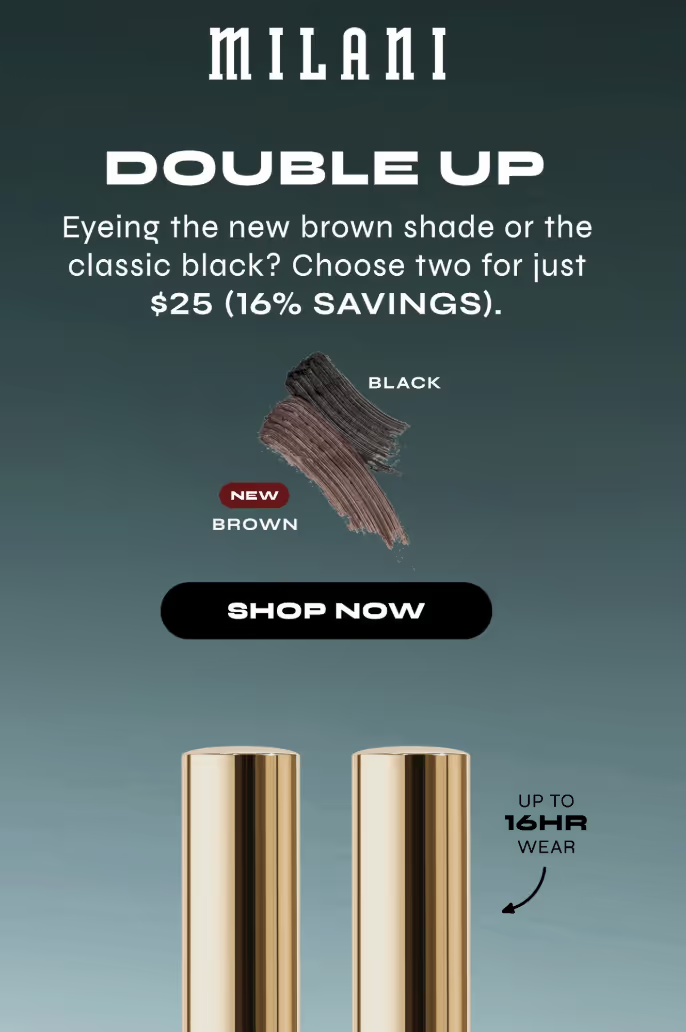
Why it works: The email identifies which products the customer has been browsing and offers a timely discount.
Customers Who Buy Every 30 Days or on Subscription
Skincare and wellness brands thrive on repeat cycles. If you notice customers restocking serums every 30 days, PushOwl helps auto-segment them and trigger replenishment campaigns right on cue. Similarly, for subscription-based products like coffee, not every subscriber remembers to renew. Flag at-risk subscribers (for example, customers who have skipped 2-3 renewals in a row). They can be nudged back to restock. Here is an example from Sova, a gut health brand that sends WhatsApp reminders to those who need to restock:
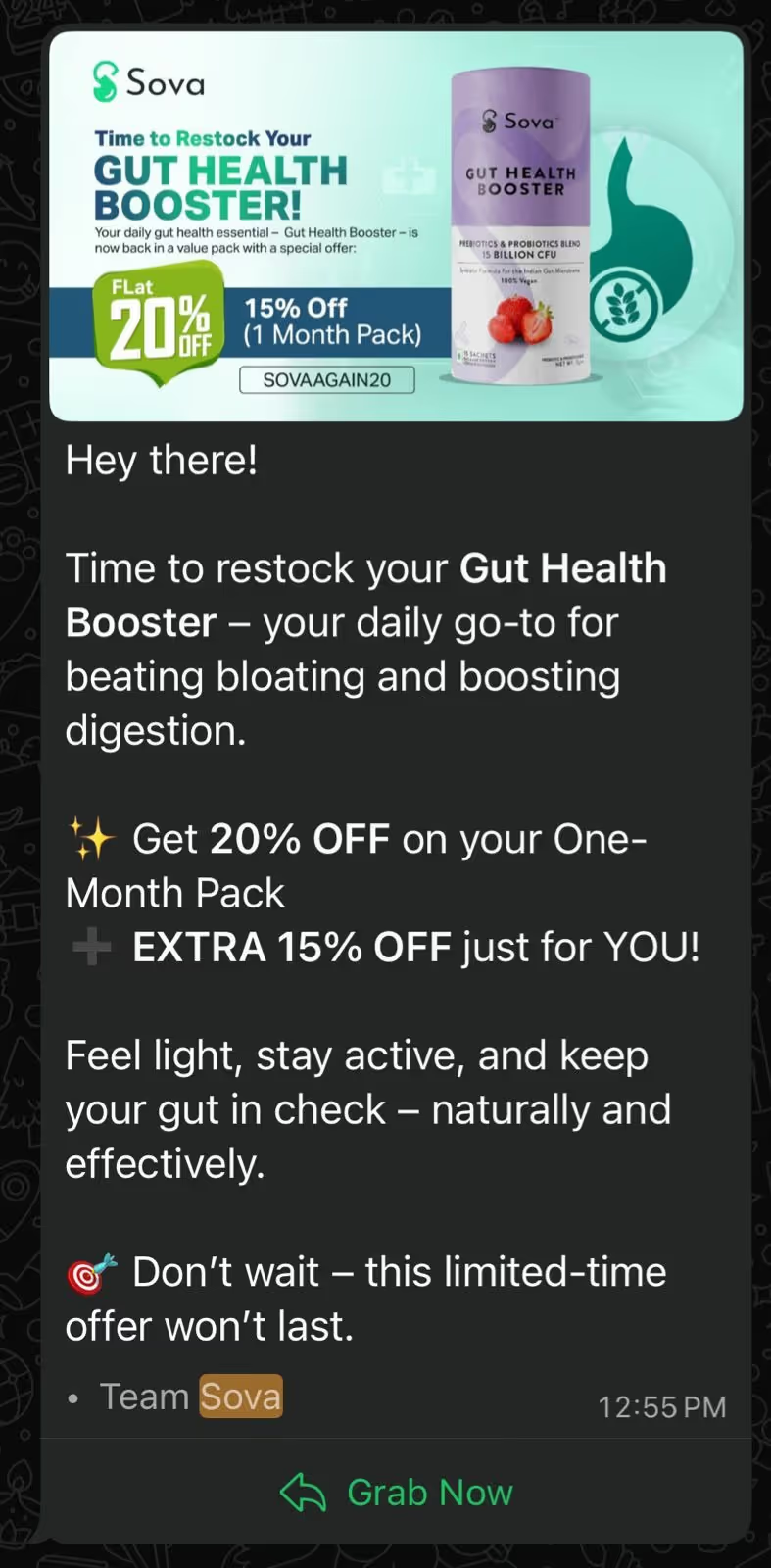
Why it works: This WhatsApp marketing message does not stop at reminding the customer to restock a product they bought. It provides a photo of the product for visual recall and gives a double incentive that is positioned as an exclusive discount (“just for you!”). The CTA button leads right to the checkout page.
Cart Abandoners
Electronics and big-ticket items often get left behind in carts. Execute effective abandoned cart recovery based on a customer segment that will receive time-sensitive nudges that bring them to checkout. Here is how Honest Paws sends abandoned cart emails:
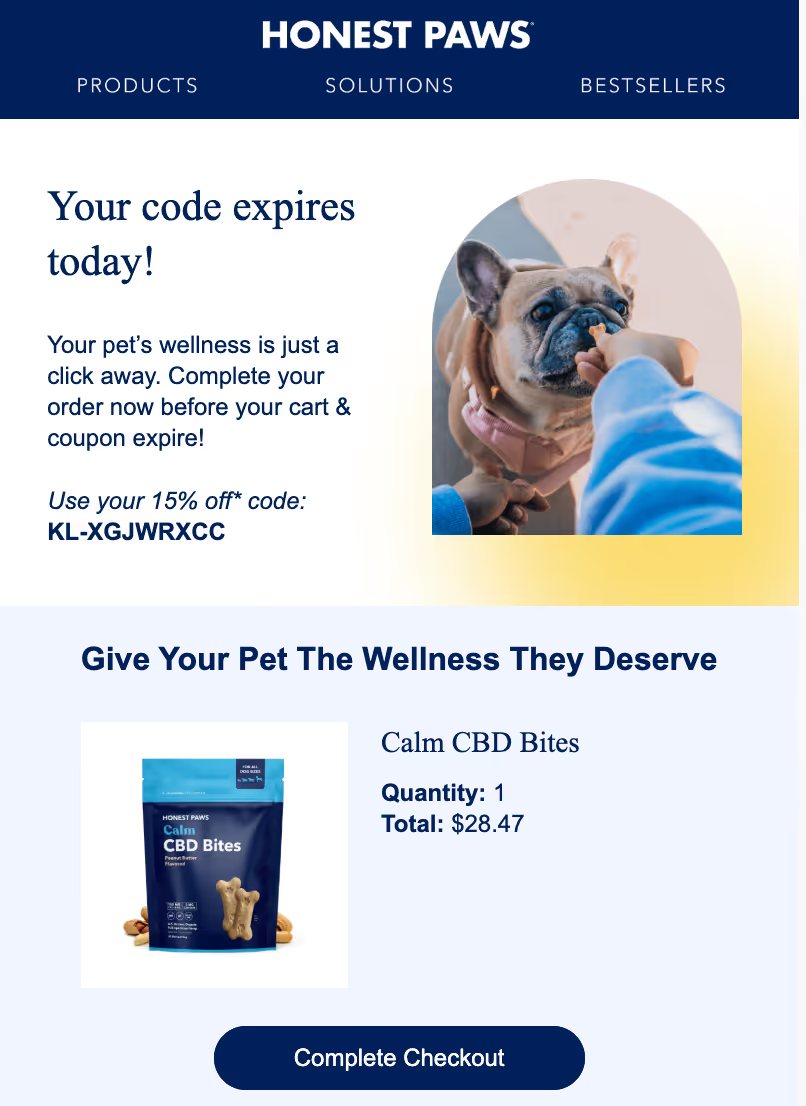
Why it works: The message is not a bland “you abandoned your cart!” reminder. Instead, it creates urgency by highlighting the time-sensitive discount. The product photo gives a strong visual cue about what the shopper left behind. The email copy starts with “your pet’s wellness is just a click away," which connects with the customer emotionally. It reframes checkout as a caring act rather than just a purchase.
Steal our abandoned cart email template for free
Free Trial Users
For apps and courses, segmentation helps you separate free trial users from paying subscribers. You can create a customer segment comprising those whose free trial is ending and send them upgrade reminders before the deadline. Another option is to create a segment of those whose trial has finished in the past 30 days, so that you can send them a final nudge. Here is an example by Loom, a screen recording service:
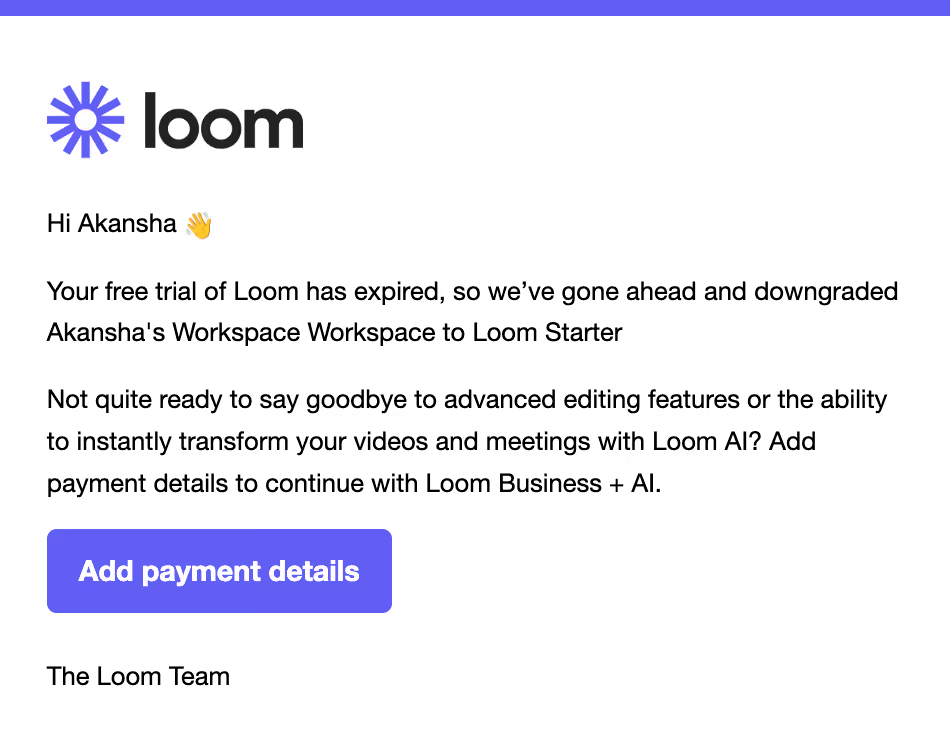
Why it works: The email copy positions the end of the free trial as a loss (“we have gone ahead and downgraded…”) and then immediately highlights product benefits the customer is missing out on. The CTA is clear and compelling.
About-to-churn users
Sometimes the danger signs show before a customer actually leaves. For example, a fitness app might notice users have not logged in for two weeks, or a DTC clothing brand realizes that a customer has not opened their email or visited the website in a month. Auto-segment these about-to-churn users based on inactivity or skipped actions and trigger timely nudges to bring them back. Here is how Delani Jewelry gives one final nudge to inactive email subscribers:
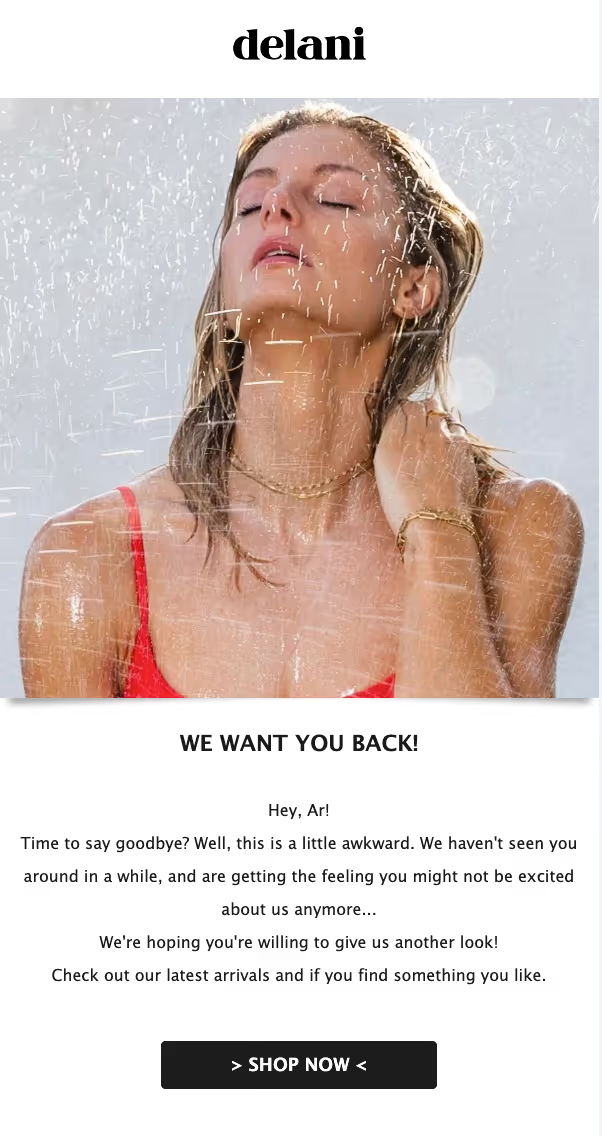
Why it works: The email copy is conversational. It acknowledges that the customer is uninterested in the brand. It ties in an announcement of new products to give the customer an incentive to re-engage. The subject line (“We hate goodbyes”) is punchy and bound to at least warrant a quick browse.
Customer segmentation examples across variables will help you shape your strategy.
How PushOwl Makes Segmentation Easy
Segmentation should not feel like a manual chore. It’s a highly automatable process.
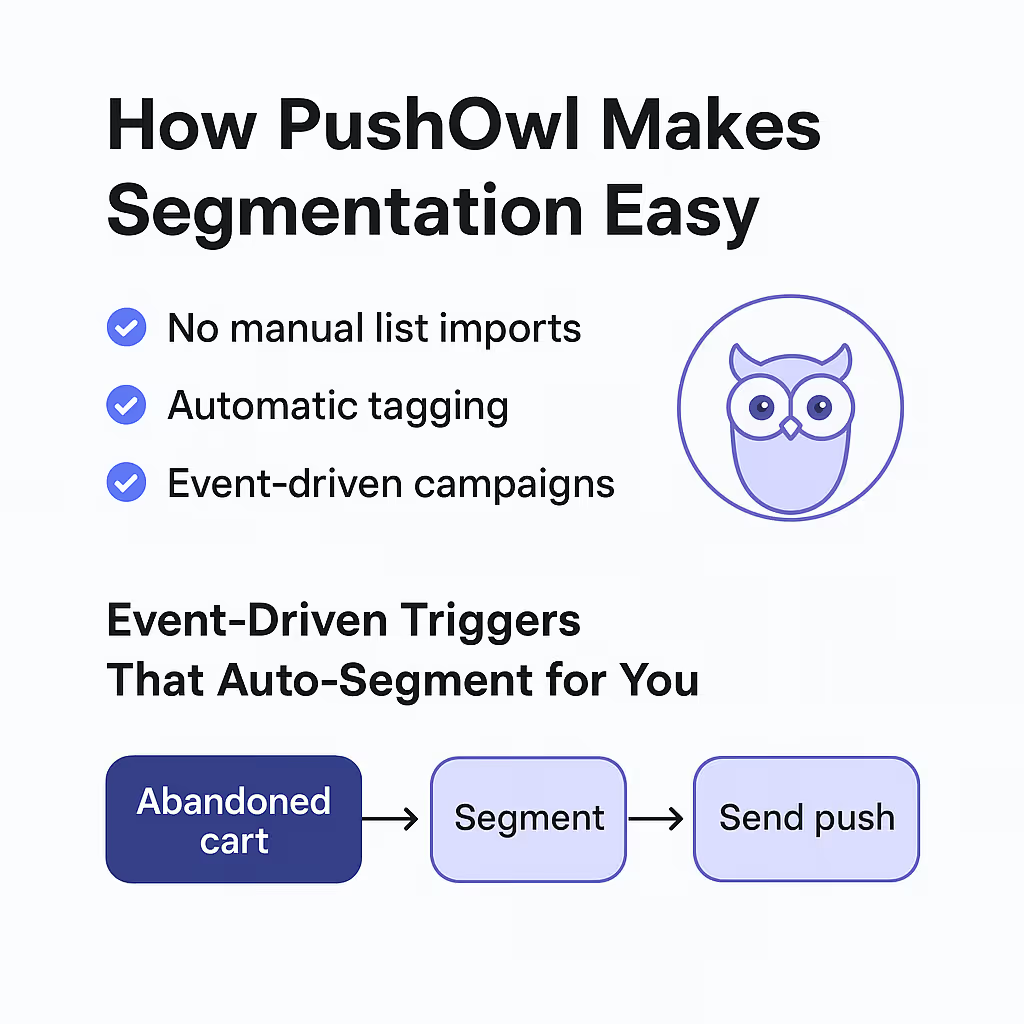
Downloading endless customer lists, uploading CSVs, building manual filters, repeat; it’s overwhelming.
"Pick one or two high-intent signals (like an abandoned cart or a product browse) and send a short, timely push notification. That nudge lands right when the shopper is most likely to act. No manual work, no messy segmentation dashboards." - PushOwl Sales Team
With PushOwl, segmentation just…happens:
- No manual list imports: Subscribers are tagged based on how they engage with your Shopify store
- Real-time updating: Every click, cart action, or purchase updates their segment in real time
- Event-driven campaigns: Instead of guessing, you can trigger notifications off actual intent signals.
CTA Button: Build your first customer segment using Brevo’s AI Segment Builder
Event-Driven Triggers That Auto-Segment for You
A shopper adds sneakers to their cart but leaves without checking out. PushOwl automatically:
- Tags them as an “abandoned cart” subscriber.
- Places them in a segment of shoppers who abandoned their shopping carts in the last 24 hours.
- Sends a push notification like “Still want that lip balm? Here’s free shipping if you order today!”
Once set, these triggers auto-segment your audience and deliver push notifications on autopilot.