Did you know that even anonymous push subscribers can be segmented across their lifecycle? Most lifecycle segmentation guides talk only about email and SMS. But lifecycle segmentation is not channel blind. It works best when you bring push, SMS, and email together.
Your goal is to retain your customers for as long as it is profitable for your Shopify store. So you cannot just stop at demographic segmentation. Targeting customers based on age, income, location, and gender would mean you are barely scratching the surface. You need to target them at the various stages of their interaction with your brand, whether it is when they first look up your brand, or when they are loyalists referring your brand to others.
These stages are moments primed for conversion if you send the right message.
Customer lifecycle segmentation helps you target your customers based on these stages of interaction.
In this guide, we will cover:
- What lifecycle segmentation means
- How to define a customer lifecycle
- Why it matters (and its limits)
- Campaign ideas across push, email, and SMS
- Real Shopify brand examples
- How to collect and use customer data
- FAQs to clear up common doubts
Start lifecycle segmentation for free with Brevo’s segmentation builder
What Is Lifecycle Segmentation?
Lifecycle segmentation means segmenting your email list based on where the customer is in their buying journey. Lifecycle segmentation allows you to group your customers in a way that you meet them exactly where they are, from first-time browsers to loyal repeat shoppers who know your Shopify product line inside out.
Instead of treating all customers the same, you tailor messages to match their stage, beyond just personalizing the sender name.
This type of segmentation can turn casual window-shoppers into repeat buyers as part of your overall customer segmentation efforts.
How To Define a Customer Lifecycle?
A buying journey or customer lifecycle can look like the following:
- Awareness: A customer discovers your Shopify store for the first time. This discovery could be due to your social media presence, a reference from a friend, or a mention of your Shopify store in an online listicle.
- Consideration: They start poking around. They view your products (browsing) or add something to the cart, and open your emails at least once a month.

- First purchase: They officially become your customer.
- Repeat purchase: If the customer enjoyed the purchase and the buying experience, they come back for a second purchase.

- Loyalty: The customer is not just a repeat customer; they are an advocate of your brand. They talk about it, create UGC, and climb up the tiers of your loyalty program.

- Winback/End of relationship: Here’s where lifecycle segmentation will help you decide: Were they a customer worth re-targeting? Or is it okay to let them go?
But it can also look like:
- Non-linear: Browse → Abandon → Retarget → First purchase: The potential customer lands on your product page, bounces, then finally converts based on your targeted web push notification with a discount code or an email mentioning product reviews.
- Gift shopper loop: A customer buys once during your Black Friday sale, and then doesn’t return till next year. You are on their radar, but only during specific periods.
- Endless consideration: The customer never makes it to the checkout page, despite multiple browsing sessions.
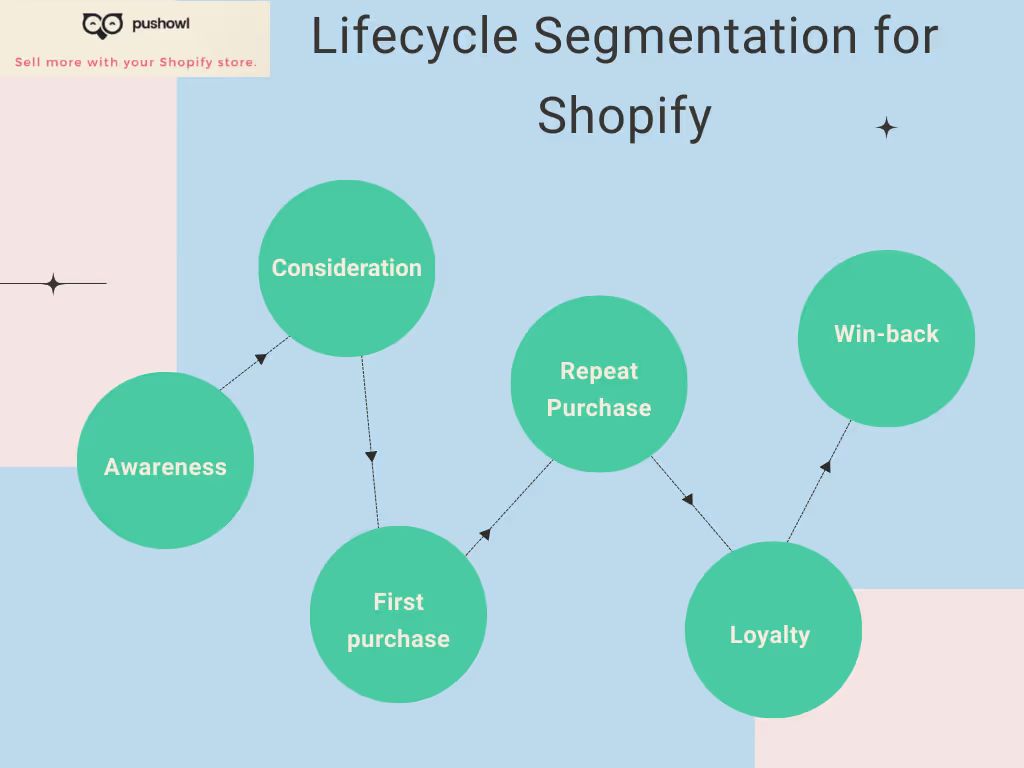
Lifecycle segmentation accounts for all kinds of buying journeys, not just the linear ones. How?
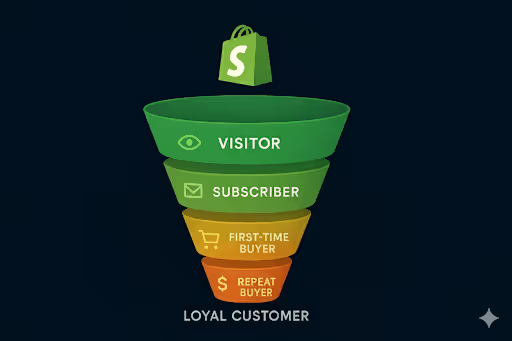
Here’s an illustration of how you can use lifecycle segmentation to target your customer:
The beauty of lifecycle segmentation is that it does not rely on guesswork or demographics (“18–24 year old women in London”). It is anchored in behavior: how recently someone purchased, how often they engage, and how much they spend. That’s what makes it powerful, and why it’s key for Shopify merchants looking to scale retention and lifetime value.
Pro tip: Add micro-stages too! These could be browse-abandoners, discount chasers, or silent subscribers who read your emails but don’t buy.
But why go through all this effort?
Why Is Customer Lifecycle Segmentation Important?
Customer lifecycle segmentation has numerous benefits:
Personalization
With lifecycle segmentation, you can send context-aware nudges. For example, a first-time browser may receive a welcome offer. A loyal customer may receive early access to a flash sale. You are telling your customer that you understand where they are in the journey and that you are not sending them generic emails. Intel about their buying stage will be vital for personalization.
In contrast to this, demographic segmentation is based on static variables, which do not necessarily reflect their purchasing preferences. Contextual/behavior-based segmentation is more objective and rooted in actual data, rather than assumptions about a customer’s buying choices based on their gender, income, religion, etc.
Conversions
Every customer journey has friction points: abandoned carts, endless consideration, post-purchase silence, you know the drill. Lifecycle segmentation means you can hit the brakes (or gas) right where the shopper is hesitating.
Customer Retention
Lifecycle-aware marketing campaigns focus your energy on customers who are most likely to stick around. You avoid spamming everyone and double down on the ones who will drive lifetime value.
Efficient Use of Marketing Budget
You do not waste marketing resources blasting every channel to every shopper. Lifecycle segmentation helps you use push, email, and SMS with intent, so your team’s effort pays off at scale.
Pro tip: Push notifications can increase the speed from one touchpoint to another in early lifecycle stages if you nail the urgent messaging.
Is lifecycle segmentation perfect?
Limitations of Customer Lifecycle Segmentation
As powerful as lifecycle segmentation is, it is not a magic wand. Knowing where a customer sits in their buying journey is helpful, but here are some limitations of lifecycle segmentation:
Stages Are Not Always Clear-Cut
Not every shopper neatly moves from Awareness → Consideration → Purchase. Some skip stages, some linger, some loop back. A customer might abandon a cart five times before making a single purchase. Segmentation simplifies the journey, but the road bumps still make it less linear.
Data Dependency
Effective segmentation of any kind relies on data. For lifecycle segmentation specifically, constant tracking is key, since we are looking at real-time behavior and not static information like demographics. If your tracking is patchy, or if a customer clears cookies, you might misclassify them. That leads to awkward messaging, like sending a “first purchase” offer to someone who has already bought twice.
Risk of Over-Segmentation
It is tempting to create endless micro-segments, but too much slicing can make campaigns unmanageable. Instead of clarity, you end up with complexity and burnout for your marketing team.
Channel Overlap
If you are not careful, the same customer might receive a push, an email, and an SMS in the same hour. Segmentation alone doesn’t solve message fatigue. You need to ensure that the channels are working in coordination with each other and not in conflict with each other through a well-structured omnichannel marketing strategy.
Let’s see this in practice.
Layer in demographic segmentation with Brevo
Shopify Marketing Campaign Ideas Based on Lifecycle Segmentation
Here are some campaign ideas for the five main customer stages, and how you can use email segmentation (and other channel-based segmentation) for targeted marketing:
Examples of Marketing Communication Based on Lifecycle Segmentation
Setting the above in motion may seem complicated, which is why we have collected examples from actual brands. We signed up with over 50+ Shopify stores to find you the best marketing emails based on lifecycle segmentation. You can repurpose these for your other marketing channels, not just email marketing:
Browse Abandonment Emails for Inactive Customers
Example: DKNY (Apparel brand)
Customer lifecycle Stages: Have shown interest but dropped off before adding to cart
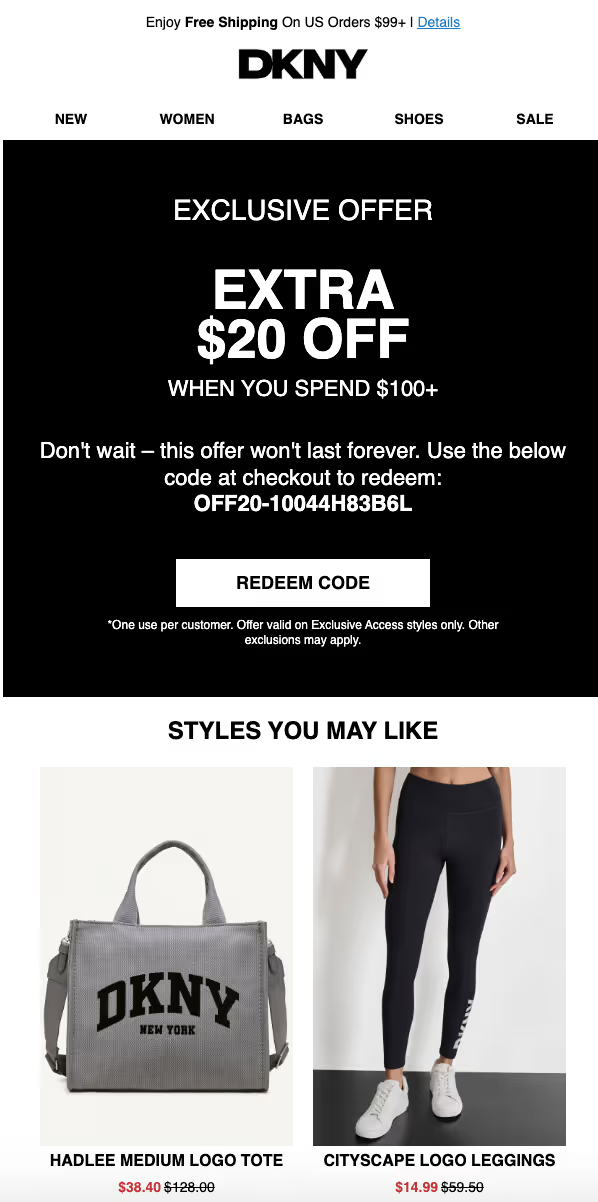
Why it works: The subject line is clear and impactful (Loved browsing? Here’s $20 to spend on us) in the incentive it provides. The email copy positions the discount as an exclusive offer and includes product listings related to the customer's browsing history to maximize conversion and reduce decision fatigue.
Abandoned Cart Recovery Emails
Example: Road iD (Running accessories)
Customer lifecycle stages: Interested customers who just need a final nudge to check out
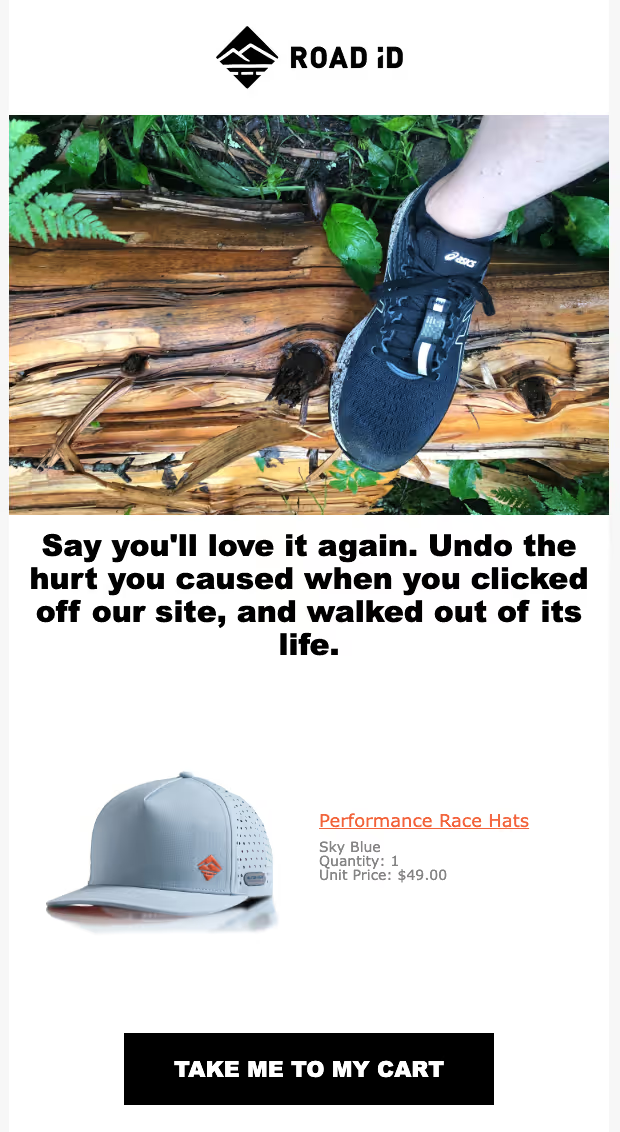
Why it works: The email copy is playful and conversational. It includes the exact item left behind, and doesn’t try to sell hard; instead, it uses humor to drive customer action.
Welcome Emails for New Customers/Prospects
Example: Graza (Artisanal olive oil brand)
Customer lifecycle Stages: Browsers, leads in the awareness and consideration stage who have opted-in for email and push notifications
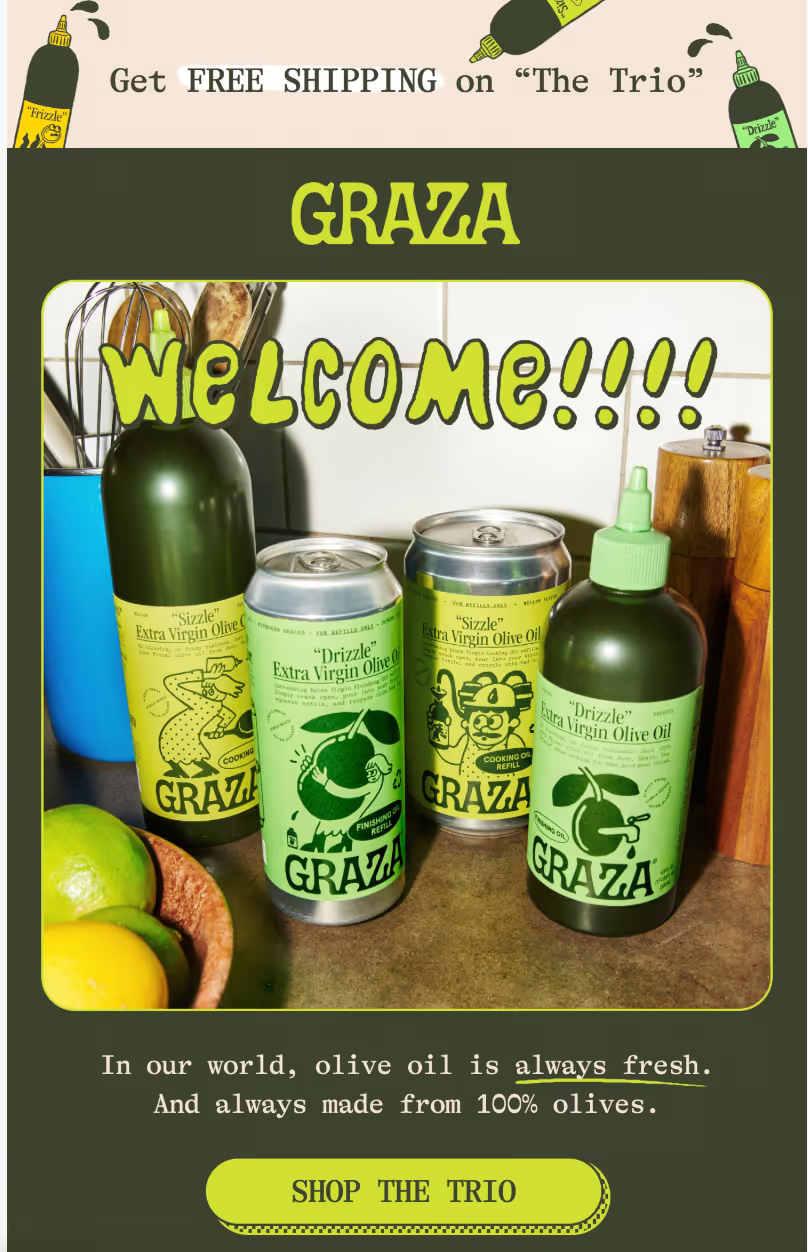
Why it works: The email has a punchy subject line (Welcome to Grazaverse) and immediately draws the customer in with product images that pop. It introduces their signature product and offers free shipping for the first order.
Re-Engagement Emails for High Paying Customers
Example: Pawsafe (Dog accessories brand)
Customer lifecycle stages: Winback/re-engagement/Reactivation
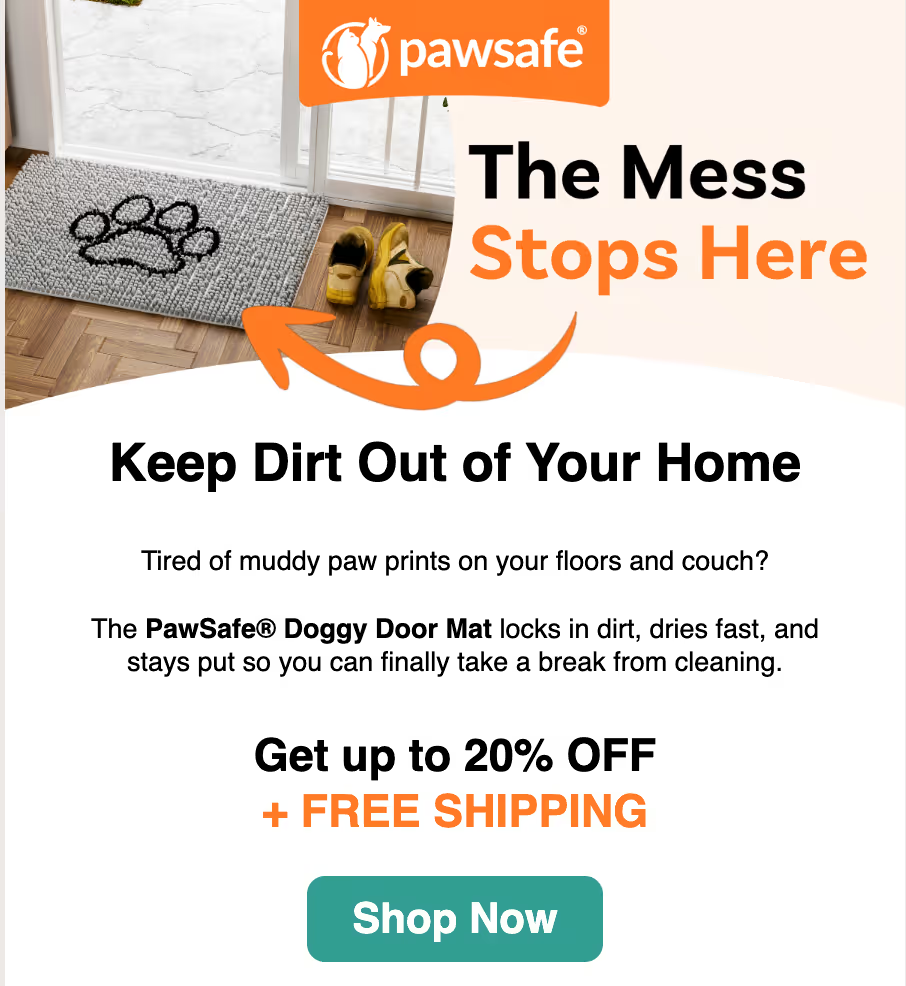
Why it works: The email announces a new product while showing how it solves a common problem faced by dog owners, and adds a generous discount + free shipping. For inactive customers, this is a great incentive to get back into the mix. The CTA stands out.
Loyalty Program Emails
Example: The Beauty Crop UK (Makeup and skincare brand)
Customer lifecycle stages: Customers with high AOV/repeat buyers
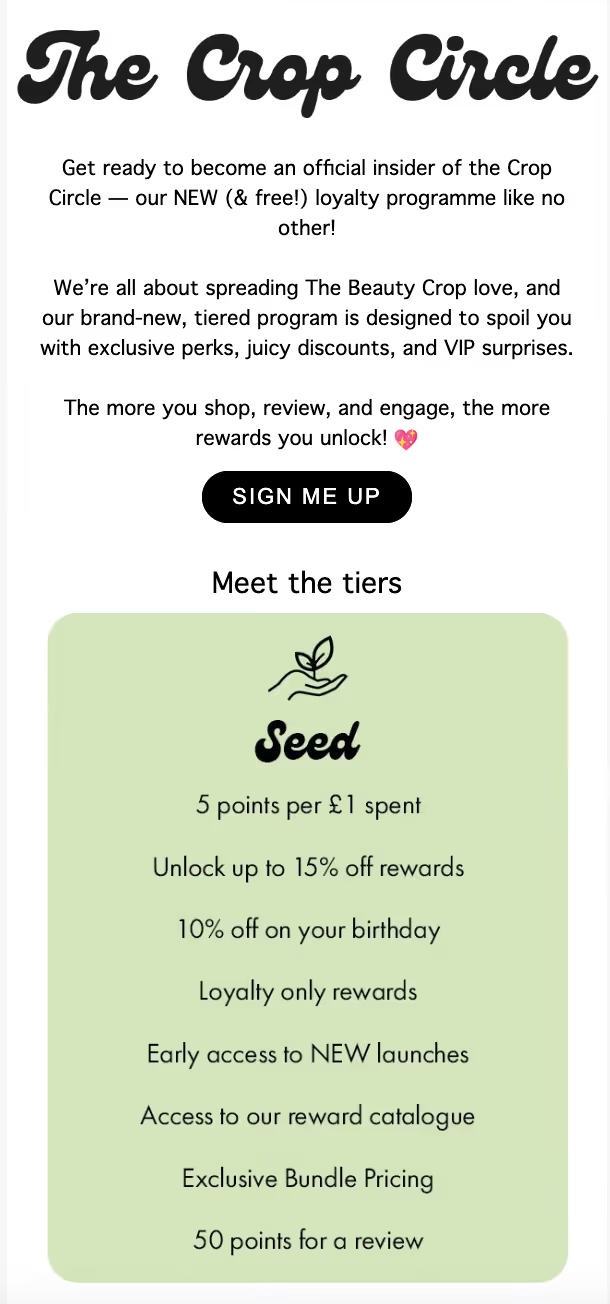
Why it works: The email positions the loyalty program as an exciting opportunity, the CTA is clear, and the tiers are well explained.
Build Your Email Flows Easily With Our Free Email Templates
How To Collect Data for Lifecycle Segmentation
Lifecycle segmentation starts with a straightforward question: how well do you actually know your customers? The good news is, Shopify stores already sit on a goldmine of data, and you just need to organize it.
Shopify and App Analytics
Your Shopify store logs every interaction: product views, add-to-carts, purchases, and repeat orders. Hook this into analytics dashboards (or apps like PushOwl) to track where each customer is in their journey.
Customer Profiles and Tags
Use Shopify’s built-in tagging or your CRM to mark customers as “first-time buyer,” “loyal,” or “inactive.” Over time, these tags become the backbone of your lifecycle campaigns.
Engagement Data Across Channels
For example:
- Push: Track opt-ins, click-throughs, and product alerts.
- Email: Monitor opens and link clicks to see who’s interested but not yet ready to buy.
- SMS: Look at redemption rates. These often reveal urgency-driven buyers.
Surveys and Feedback
Don’t underestimate simply asking your customers. Post-purchase surveys or loyalty program sign-ups give you qualitative insights you can’t always infer from clicks alone.
Third-Party Integrations
Apps that sync with Shopify (like review platforms or loyalty tools) also enrich lifecycle data. Someone leaving a glowing review or climbing your rewards tiers is clearly deeper in the funnel than a one-time buyer.
Create dynamic segments easily with PushOwl
How To Do Lifecycle Segmentation?
Think of lifecycle segmentation as a five-step process. You have to collect, classify, segment, campaign, and measure. Here is how to make it work for your Shopify store.
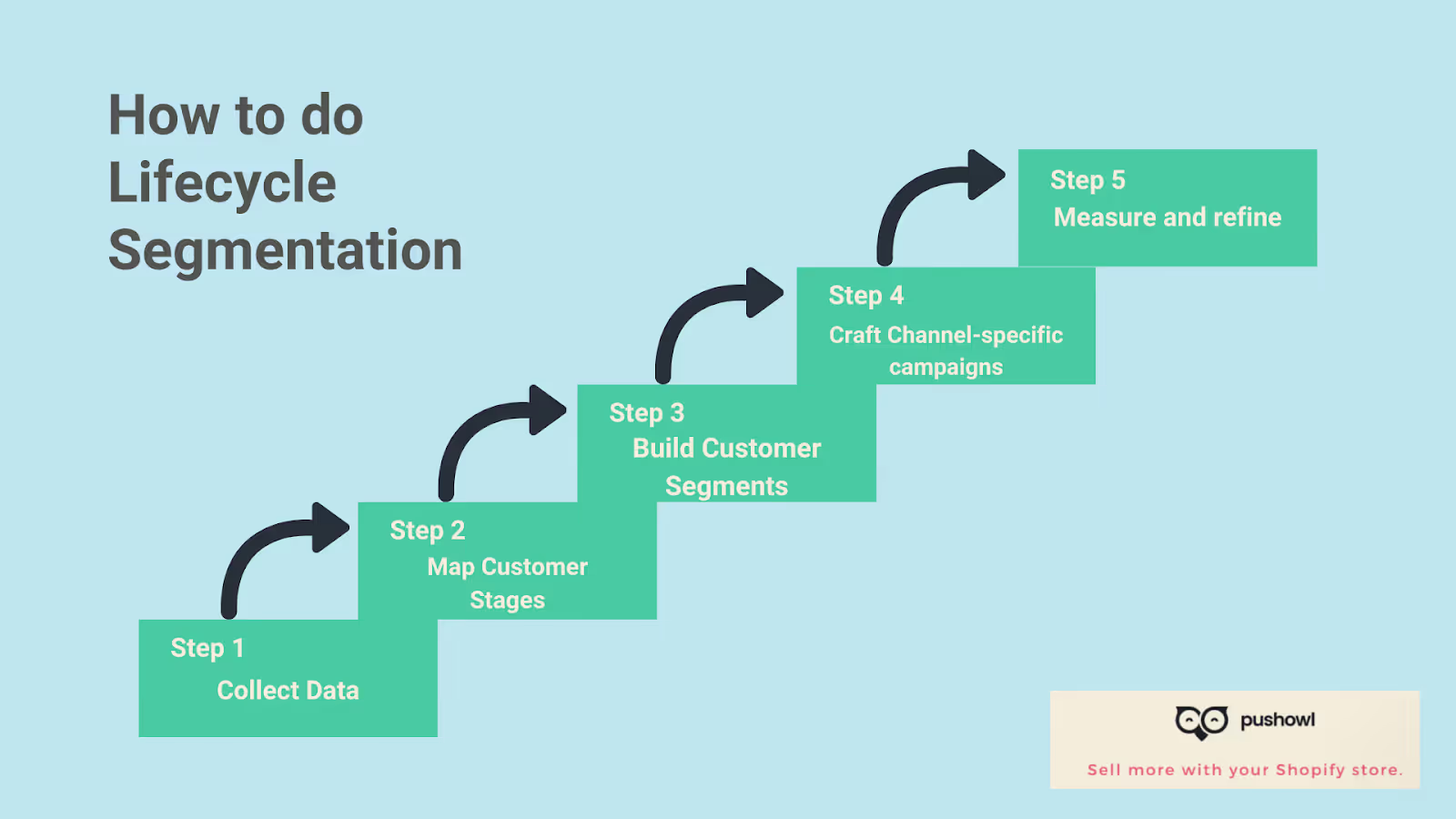
Collect Data
We have already talked about how to collect data for lifecycle segmentation. Data collection is just the first step. Add layers with review apps, loyalty programs, or simple post-purchase surveys.
Map Customer Stages
Sort your shoppers into the natural stages of a buying journey: new visitors, first-time buyers, repeat customers, loyal advocates, and dormant accounts. This is your lifecycle blueprint.
Build Segments
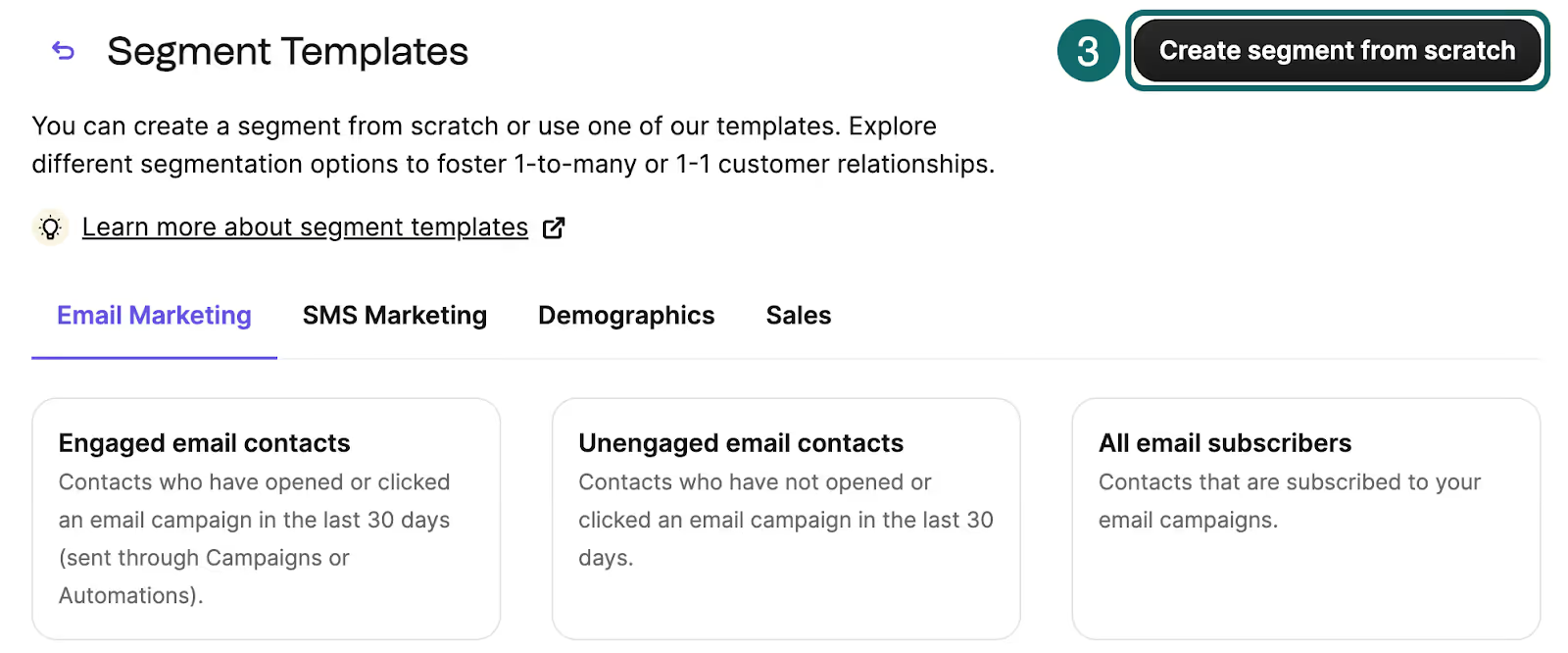
Not all cart abandoners are equal. Someone who browses once needs a different nudge than a high-value shopper who has bought five times before. Use Shopify tags or apps like PushOwl to slice customers by intent and value and create segments accordingly.
Craft Specific Campaigns Per Channel
This is where segmentation meets action. Our clients see results with the following:
- Cart abandonment: Send a push notification within 30 minutes, an email within 24 hours, and an SMS at 48 hours.
- Back-in-stock: Instant push alert to subscribers, while email tells the product story for anyone considering it.
- Post-purchase: SMS shipping updates for speed, followed by an email asking for a review or UGC.
- Winback: Push with a “we miss you” note, and follow up with an email offering a curated product bundle.
Measure and Refine
Track open rates, click-throughs, conversions, and unsubscribes across all three channels. Notice which stage is losing the most customers, then double down on optimizing that stage.
Build your first lifecycle based segment with Brevo