If shopping is a sport, the Black Friday and Cyber Monday weekend is the Olympics. Discounts flying, ads everywhere, daily deals, and everything in between. The problem? Shoppers are tuning it all out.
What cuts through the noise? It’s a larger social or environmental purpose attached to the campaign, rather than just another discount code.
Cause-related marketing allows you to tie your biggest sale weekend to a cause your customers care about. Instead of just shouting “Buy now! 50% off!” you are inviting shoppers to be a part of something bigger: planting trees, funding meals, supporting shelters, fighting climate change, and more.
So why not build a cause-related marketing campaign for BFCM 2025 to help your customers and the world?
What Is a Cause-Related BFCM Marketing Campaign?
A cause-related BFCM marketing campaign is a Black Friday and Cyber Monday promotion where brands link seasonal discounts and sales to a social or environmental cause. Instead of focusing solely on slashed prices, these campaigns give shoppers the chance to make an impact with every purchase.
For example, a store might donate a percentage of BFCM profits to a nonprofit, plant a tree for every order placed, or launch a limited-edition product whose proceeds support a community project.
Shoppers, especially Gen Z and millennials, are more likely to buy from businesses that align with their values. That means a campaign that blends urgency (“limited-time BFCM offer”) with purpose (“your order supports X cause”) stands out in an overcrowded inbox or ad feed.
A cause-based campaign should be a part of your BFCM playbook.
Why Cause-Related Marketing Matters for E-Commerce Brands?
Beyond making a positive impact, cause-related marketing helps with the following business goals:
Customer Loyalty
A Deloitte survey shows that Gen Z and millennials prefer brands that align with their values. Cause marketing makes your store part of their identity, not just their shopping cart.
Differentiation in Crowded Markets
Every ecommerce store has discounts, bundles, and free shipping. But not every store can say, “Your order funds clean water” or “This purchase keeps plastic out of the ocean.” That’s the kind of messaging that stops a scroll mid-feed.
Boosts AOV and Repeat Purchases
When customers know their dollars have double the impact, buying a product and supporting a cause, they are more likely to spend more and come back for round two.
PR and Social Buzz
A good cause campaign has built-in storytelling. It gives customers something to share and the media something to cover, stretching your BFCM investment way beyond ad spend. When your customers are talking on social media about the positive change you are making in the world, rather than the money they saved out of the deal, you are doing it right.
Let’s unpack two notable cause-related marketing campaigns that received positive coverage and applause from the press as well as customers.
The first one is by REI, an outdoor gear brand.
On Black Friday, REI runs the #OptOutside campaign. They close their stores on Black Friday so that their employees can take a day off and spend time outside, and encourage their shoppers to do the same. They have been doing this since 2015.
Other brands followed suit, and REI became a case study for how one can approach Black Friday campaigns.
Patagonia is another outdoor clothing brand that approached Black Friday marketing with a cause rather than just a deal. The brand released an ad in The New York Times on Black Friday, featuring the headline “Don’t Buy This Jacket,” to encourage shoppers to buy less.
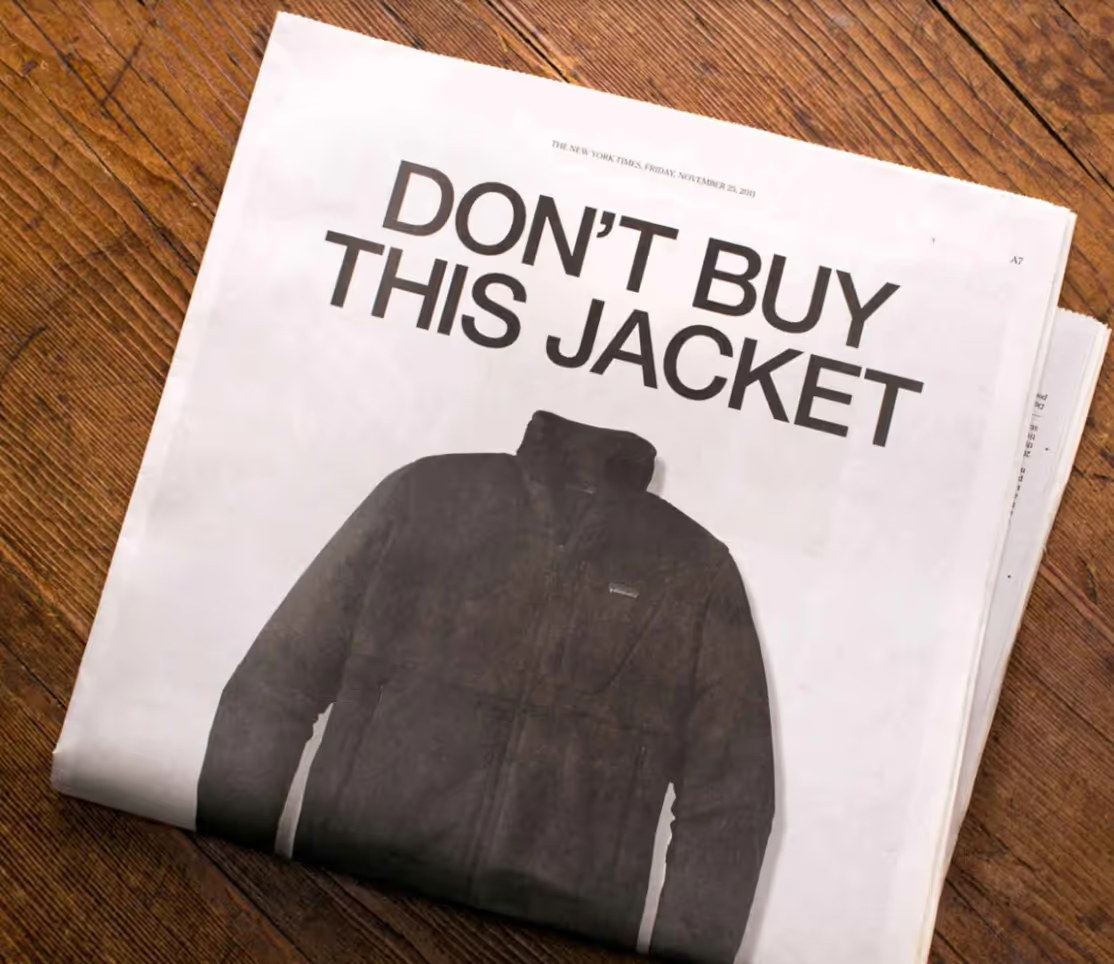
The brand wanted to make a statement about consumers buying items they already own solely to take advantage of a deal, at the expense of the environment. The campaign's boldness made it go viral.
5 Types of Cause-Related Black Friday Campaigns
Take inspiration from the following Black Friday campaigns that incorporated some form of donation or contribution to social causes:
Donate a Percentage of Proceeds From BFCM Sales
Money donations are the most common type of cause-related marketing. Giving the campaign a fun name and making the donation details clear will go a long way in connecting with the buyer.
Example: Alpkit (Brand that sells camping and biking accessories)
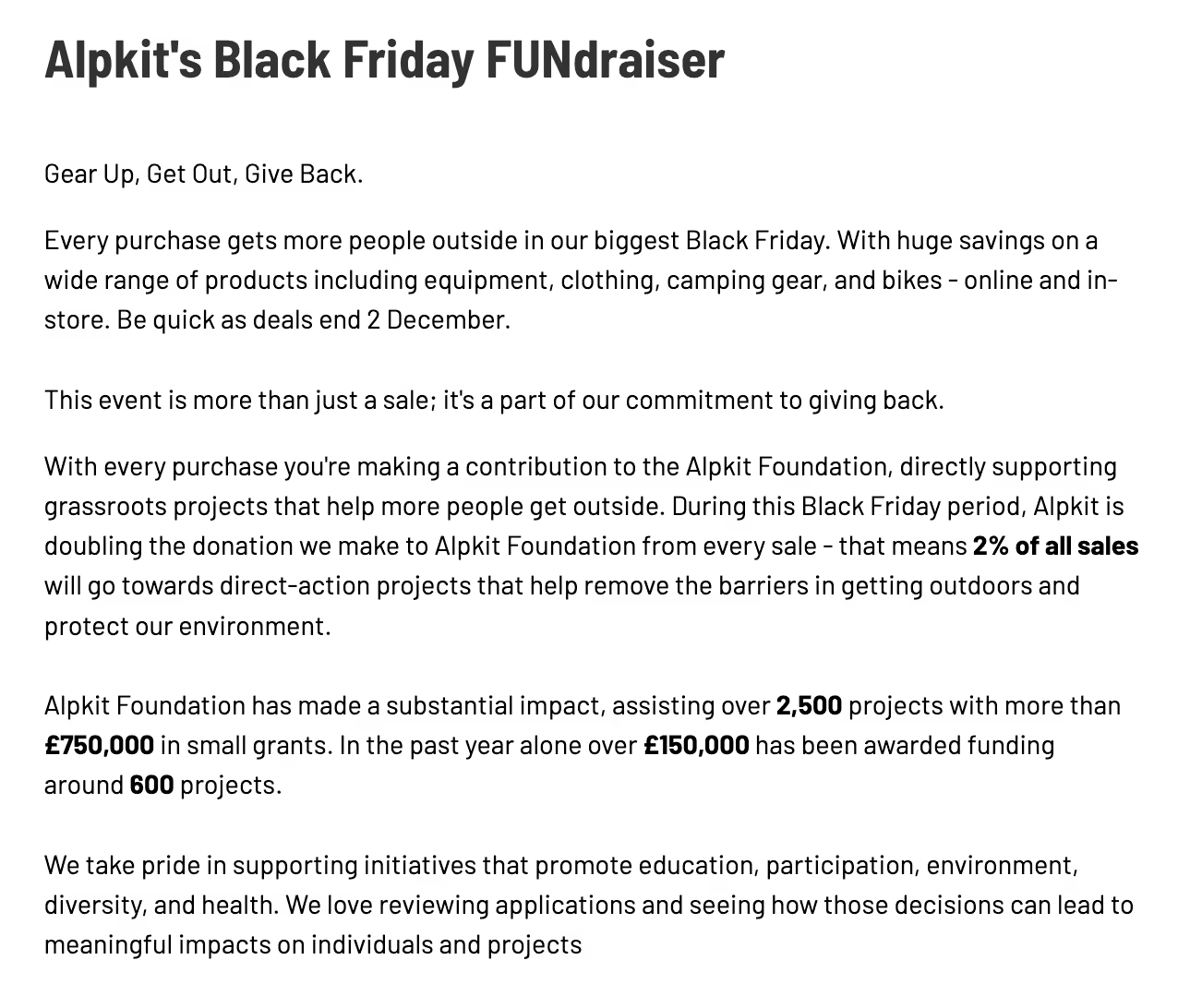
Why it works: The tagline “Gear up, get out, give back” ties the brand voice with the donation aspect. The brand explains how much they will contribute and towards what kind of causes.
Ask Customers To Donate Items To Unlock Perks
Asking for monetary donations is not the only way to contribute to a cause during Black Friday and Cyber Monday. You can incentivize your customers to donate items they already own.
Example: Y1Sport (a sports equipment brand)
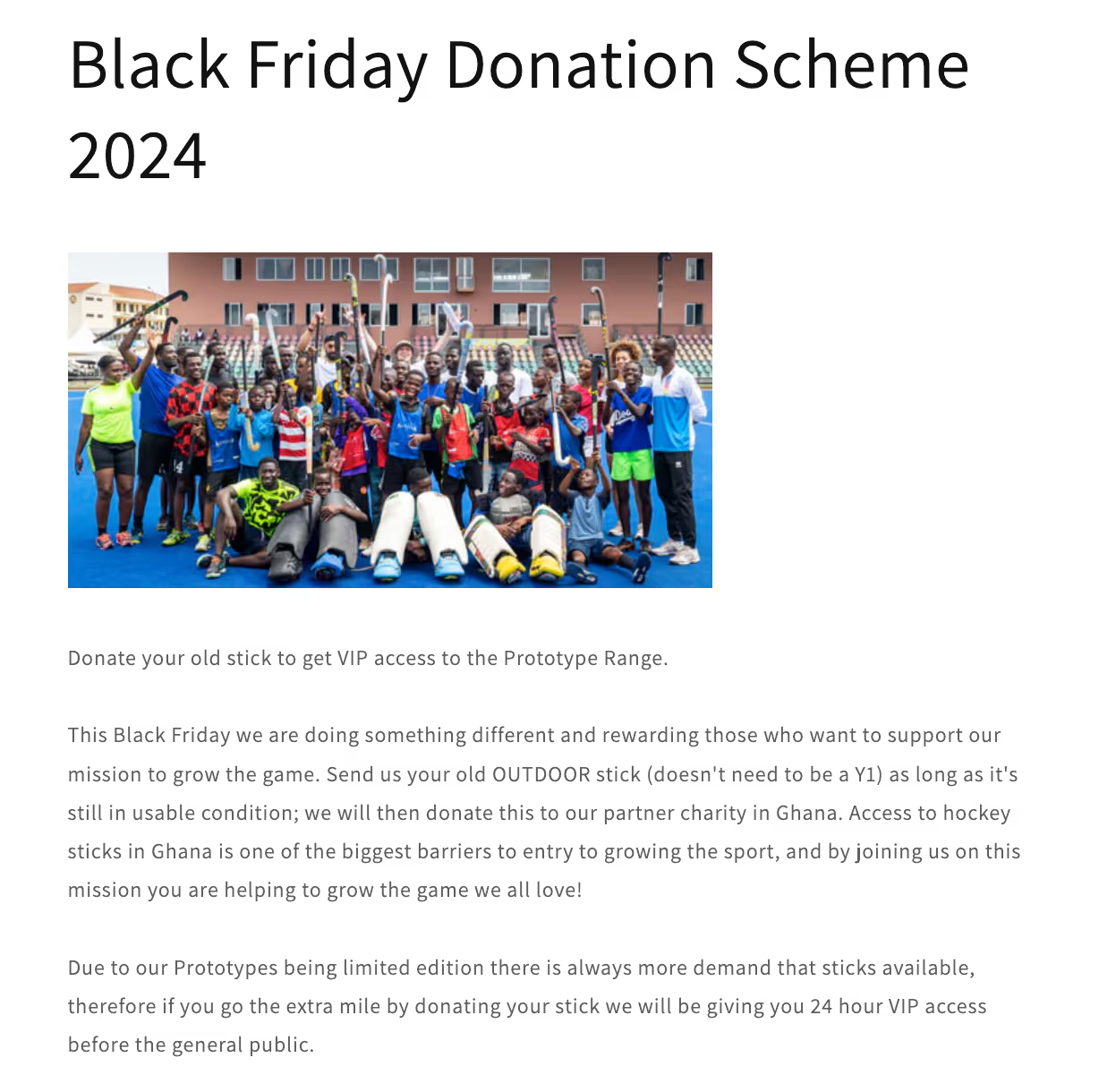
Why it works: The brand is fulfilling two aims: establishing itself as a brand that cares about sports accessibility in another country, and also creating an aura of exclusivity (24-hour early access) in relation to their product range.
Last-Minute Donation Option at Checkout
Shoppers are already in the buying mindset. Adding a simple “Would you like to donate $2 to [cause]?” prompt at the final step turns intent into action. It is frictionless, feels optional (not pushy), and can have a serious impact when scaled.
Celebrate Green Friday
Green Friday is the eco-friendly alternative to the hype of Black Friday, which is associated with high consumerism and a significant carbon footprint.
Some brands celebrate Green Friday (alongside or in place of) Black Friday during the BFCM period (from the end of November) to show their commitment to the planet and also give environmentally conscious buyers an opportunity to participate without compromising on their principles.
Example: Passenger (outdoor clothing brand)
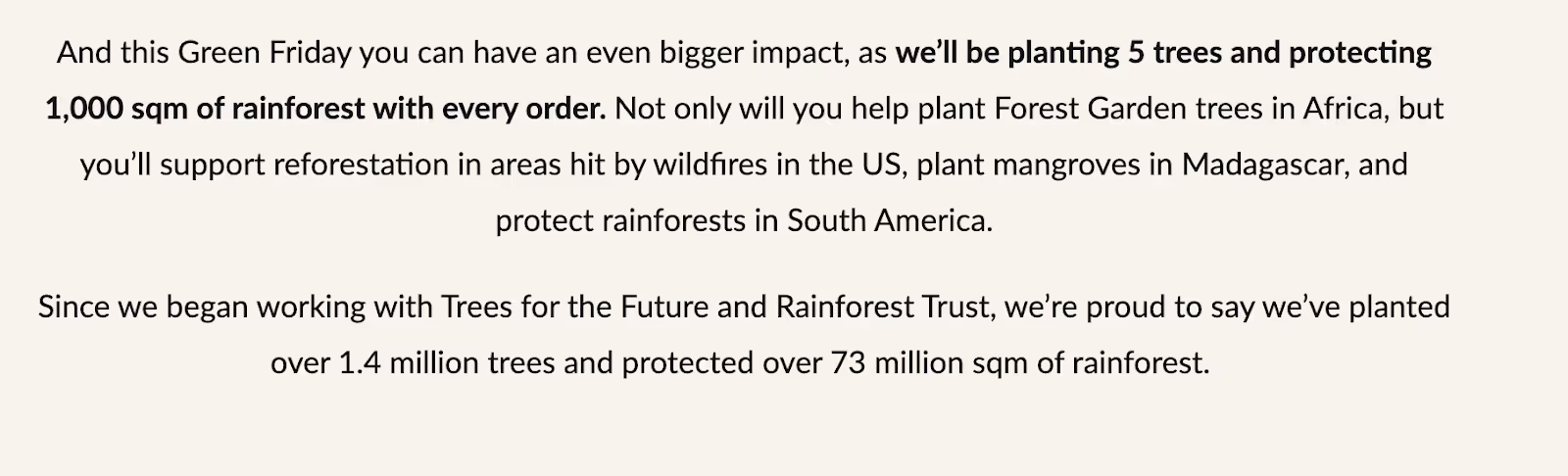
Why it works: The brand explicitly highlights the steps it will carry out on behalf of every customer order and also emphasizes past impact, thus making the customer feel like they are part of a larger initiative (the focus is not on the purchase).
Do Charity Giveaways Based on Order Value
Think of it as “shop more, give more” to encourage buyers to increase their order value. A customer spends $100, and you donate $10 to a cause they care about. It pushes shoppers to fill their carts while making the impact of their order instantly clear. You can also donate an item based on the customer's order value.
To make it visually striking, add a shopping cart graphic filling up with a donation counter rising alongside it.
How To Plan Your Cause-Related BFCM Campaign?
Planning a cause-related BFCM campaign isn’t about slapping “we care” on your Black Friday emails. You need to weave purpose into the heart of your biggest sales weekend. Done well, it can make your brand stand out in a sea of 50%-off banners. Here’s how to map it out:
Identify a Cause That Makes Sense for Your Brand
Customers can tell when the link is authentic. A skincare brand backing women’s health, or a coffee roaster supporting fair-trade farmers? That clicks. A random shoe brand donating to space exploration? Not so much.
The cause you choose must be related to your brand identity, and not just one that is trending.
Nail Down Your Giving Model
Keep it simple. Whether you are donating a flat amount per order, pledging a percentage of sales, or running a one-for-one offer, the approach should be transparent in your messaging. The more complicated it is, the shadier or less accessible it will feel to the customer. Gauge which Shopify tools you need to build the relevant pages.
Give The Campaign a Name
Names create recall and make the initiative feel bigger than a discount code. Think “Buy One, Give One,” “Trees for Tees,” or “Shop for Good.” A strong label turns your cause into something customers can rally around and share.
Build It Into Your Shopify Website + Social BFCM Messaging
Do not bury the cause at the checkout page. Put it front and center: on your homepage, page banners, product pages, and your social media. Every interaction anyone outside of your customer list makes should remind them of the cause you want to support during Black Friday and Cyber Monday.
Promote the Campaign With an Omnichannel Marketing Strategy
Do not limit advertising the cause and your mission for the campaign to the website only. Layer details across email, SMS, WhatsApp, and push notifications for a true omnichannel marketing experience.
Send a text alert to your customers introducing the campaign and add a link to the landing page. Use push notifications to send reminders that generate a sense of urgency and FOMO. Target your email list with updates about the campaign.
The more places customers encounter the cause, the more likely they are to connect with it.
How To Measure the ROI of Cause-Related Marketing?
You need to know if your cause-related marketing campaigns paid off in business terms. Measure these metrics to track cause-related marketing:
Sales and Conversions
Compare this campaign’s revenue with other BFCM campaigns or regular promos that had a cause attached to them. A lift in orders, fewer abandoned carts, and higher conversion rates will confirm that the cause resonated with the customers.
Average Order Value (AOV) + Repeat Purchase Rate
Cause campaigns, especially the ones that tie the contribution to the order value, will boost AOV. If the cause has a positive impact, it will also encourage customers to return in the future and contribute again when making another purchase.
Engagement Metrics
Monitor email open and click-through rates, social media shares, and other key metrics. If your cause content leads to more engagement than your usual BFCM deals, then you got the messaging right.
Mistakes Related to Cause-Related BFCM Campaigns
While rolling out cause-related campaigns, brands make some classic mistakes, such as:
Incorporating the Cause as an Afterthought
Once you've chosen a social cause for your BFCM campaign, incorporate it into your promotions. Treating it as an afterthought will give shoppers the impression that the campaign is performative.
Jason Fiore, a digital marketing strategist at Earth Ragz, a brand that sells ethically sourced and sustainable fabrics, observes:
“Successful cause-related campaigns take months of genuine community building that helps demonstrate the brand's commitment. Customers see through last-minute social responsibility movements, when brands add a charitable element to their BFCM promotions without any prior engagement or genuine connection to the cause.”
Another sign that brands are treating the cause as an afterthought is that their messaging prioritizes savings over the cause.
“The biggest mistake is to lead with the sale, making the second point ‘Buy now and we'll donate 2%,’ which sounds like a form of profit-driven philanthropy.” - Loris Petro, Marketing Strategy Lead & Digital Marketing Manager at Kratom Earth
How do you ensure you don’t make these mistakes?
- Start early: Introduce the cause to your audience months before BFCM through blog posts, social media updates, or a small pre-campaign activation.
- Flip the messaging order: Lead with the impact (“Every order this weekend funds 5 school meals”) and follow with the discount.
- Close the loop. After BFCM, publish the impact numbers and thank customers for their contributions. This makes the cause feel like part of an ongoing story, not a one-off sales gimmick.
Do not let the cause feel like an accessory to BFCM deals and discounts.
Not Being Transparent With Cause Proceeds
Transparency is the backbone of cause-related marketing. Spell out exactly how the donation works and also share the impact of the campaign (we mean hard numbers, not vague qualitative conclusions) after the campaign period is over.
“Stores have a hard time defining the way in which their donations are being spent. Customers want and would like to see transparency; they would like to know exactly what happens to their money. I have always believed that it is necessary to be open when it comes to explaining how each purchase is helping the cause.” - Katie Jones, owner at Squirrel A Store of Buried Treasure
Check out the bolded paragraph related to a BFCM campaign by Fred Perry, a men’s clothing brand:
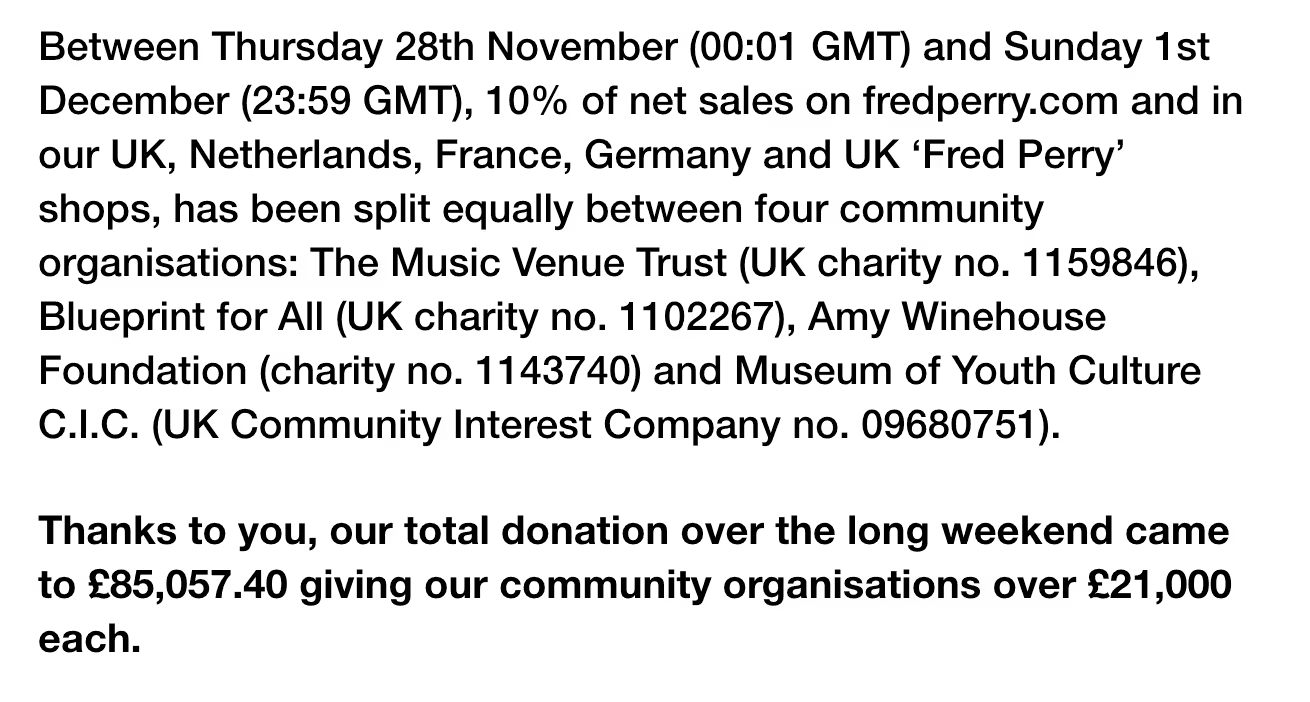
This clarity does two things:
- Builds trust: Shoppers know their money made an impact.
- Drives repeat engagement: Customers are more likely to buy from you in the future because they associate your brand with a positive impact.
Without transparency, cause-related campaigns can come across as shallow PR stunts. With it, they become loyalty-building stories that customers want to be part of.
Make BFCM About More Than Discounts With PushOwl
Cause-related marketing turns Black Friday and Cyber Monday into more than a sales frenzy. Your shoppers get a reason to choose you over other discount-reliant brands while feeling good about where their money went.
With PushOwl, you can set up a campaign quickly and reach shoppers at their most shoppable moments through web push notifications, emails, and texts that highlight your cause, remind customers of the impact, and bring them back.
Make your Black Friday about a bigger impact, rather than bigger carts.