Are you treating your welcome email as an afterthought, simply because you don't consider it a core marketing email that sells something?
You are making a mistake that high-performing Shopify brands avoid.
It is like avoiding a handshake or a warm hello when greeting a customer at a physical store, and then diving straight into your offers and products. If you would not do that offline, there is no reason to skip the welcome email for your Shopify brand.
Which is why we reviewed 100+ welcome emails to break down the anatomy of successful ones and identify the mistakes to avoid when drafting your welcome automation.
What Is a Welcome Email?
A welcome email is the first message that customers and subscribers on your email list receive. Your welcome email series is the best way to introduce your products and explain what your brand stands for.
A cheerful, informative welcome email will set the tone for your interactions with subscribers. When you send a welcome email immediately after a lead signs up, you are addressing their immediate interest in your e-commerce store and offerings.
Why Are Welcome Emails Important?
With welcome emails, you are making your way into a subscriber’s inbox in the friendliest (also least salesy) way.
Zane Bolen, Chief Growth Officer at Bolen Bliss, considers welcome automations as a must-have for e-commerce stores:
“You only get one shot to make a good first impression. [Welcome flows] should tell people what you’re about, offer something useful or interesting, and set expectations.”
A welcome email automation helps with:
Warm Up Subscribers for Higher ARPU Later
The welcome email is the first touchpoint that sets the stage for product education, routines, cross-sells, and value props. If you orient your customers well from the beginning, your average revenue per user (ARPU) will increase.
Improve Deliverability for All Future Campaigns
High open and click rates from welcome emails signal to inbox providers that the emails are valuable.
That means more of your seasonal campaigns, promos, and product launches actually reach inboxes rather than spam folders.
Build Brand Familiarity Faster Than Ads
A welcome email gives people a direct, uninterrupted explainer of your brand, no competing thumbnails, no skipped videos, no ad fatigue. This accelerates trust-building in a way paid channels can’t.
Collect Zero-Party Data Without Needing a Quiz
Your welcome email can guide subscribers to pick their category, routine, or interest with a single click. Every click becomes a clean data point you can use for segmentation: no quizzes and no complex setup.
Here are some of the best e-commerce welcome emails you can take inspiration from:
7 Examples of Shopify Welcome Emails That Work
Since your welcome email series sets the tone for future customer engagement, you need to get it right. We went through over 100+ welcome messages by Shopify stores, and these high-performing Shopify brands are getting it right:
Example 1: Better Packaging (Eco-friendly packaging)
For brands focused on sustainable offerings, welcome emails are the best opportunity to explain their mission and vision. Better Packaging does this well:
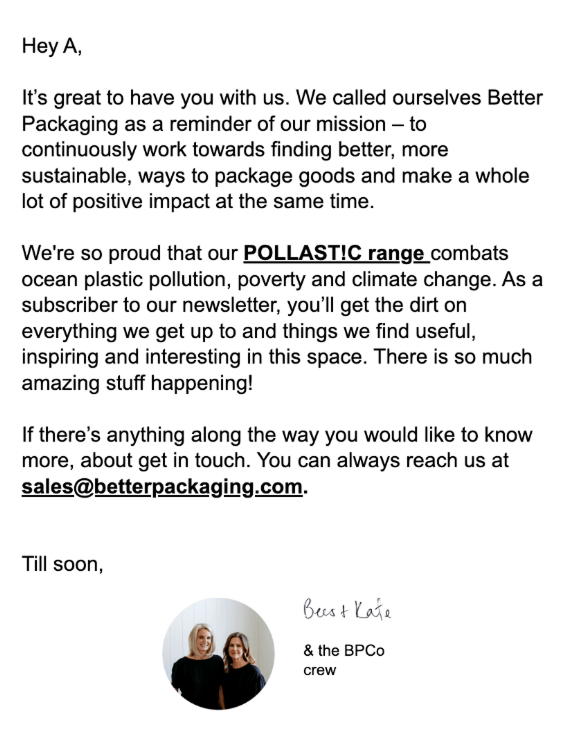
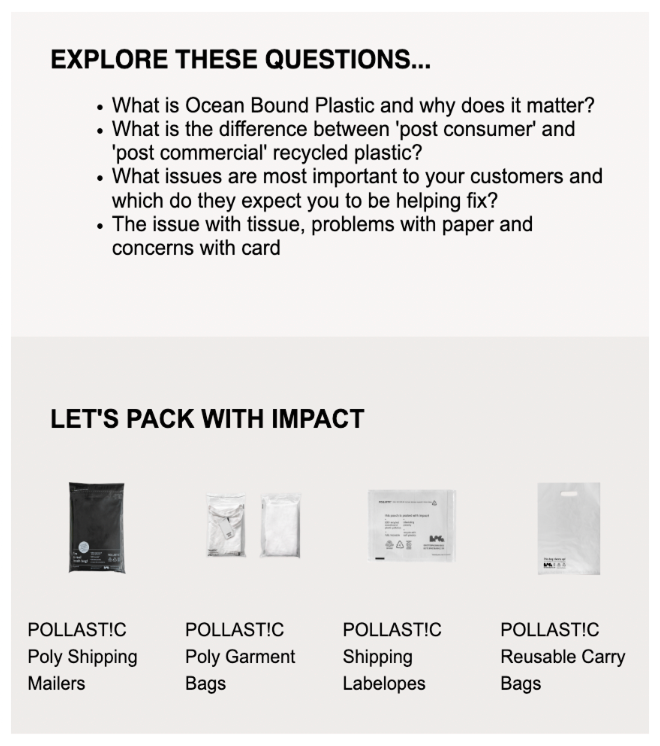
Why it works: The email explains key sustainability concepts without sounding preachy. The first-person language (“We are proud that our pollastic range combats ocean plastic pollution…”) introduces the customer to the products without any salesy language.
The email addresses common questions about recycled plastic and links to the brand’s website, gently guiding the customer to the next step in the buying process.
If you run a sustainable brand, put your mission/vision at the forefront with a sequence of creative welcome emails.
Example 2: Heatonist (Hot Sauce Brand)
The hot sauce industry is saturated, and when a customer signs up to receive emails from a brand in this niche, chances are they are also considering your competitors. Heatonist establishes its place at the top of the customer’s mind with its strong welcome email:
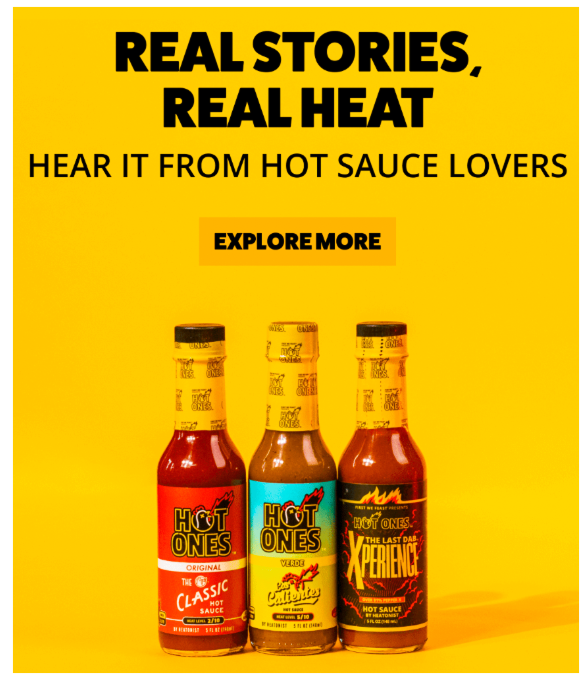
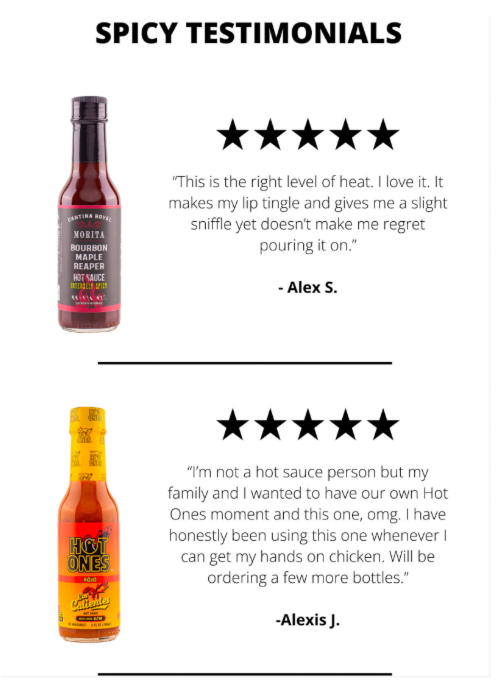
Why it works: Frontloading detailed testimonials for different products signals to potential buyers the brand's trust and authority. The testimonial choices are not random; each one is highly descriptive and targets different customer pain points. For example, the first review answers “will this ruin my food/is it the right level of heat?” The second one resonates with those who are not hot sauce enthusiasts but want to experiment. The third review shows that people return to restock once they run out.
Whether you run a skincare or makeup brand, or a food/beverage store, putting 2-3 testimonials front and center in your welcome email (without making the email look like long blocks of text) can persuade customers to check out your products.
Example 3: Chubbies (Men’s casual apparel brand)
Do you have a loyalty program? Why not welcome new subscribers by automatically enrolling them and awarding them some points to kick-start their buying journey? Here is how Chubbies does it:
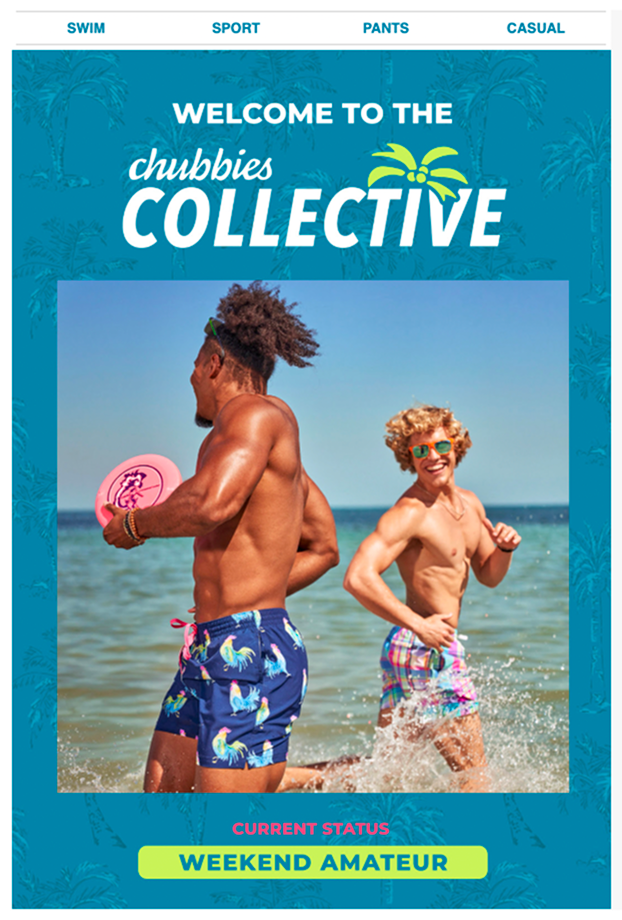
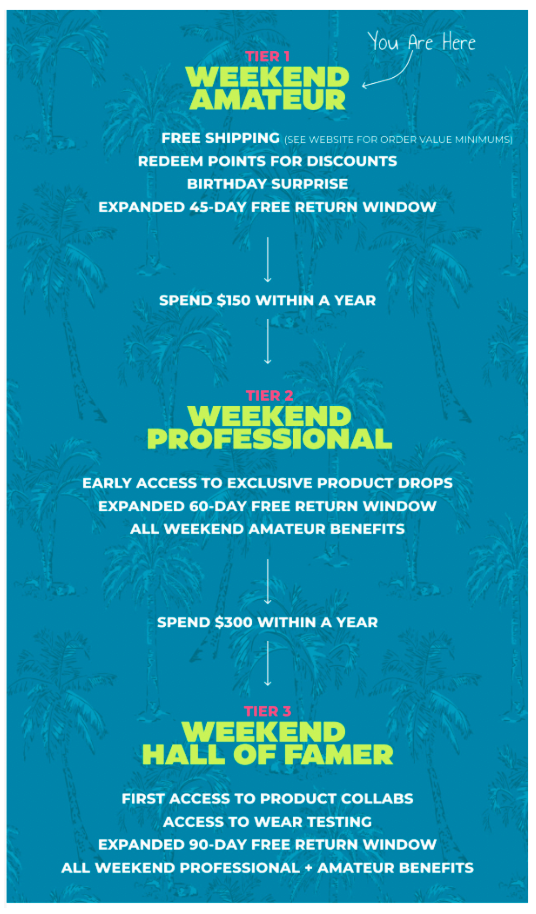
Why it works: The welcome email's color palette instantly gives subscribers a fun, beachy vibe, which is what the brand wants to be known for. It introduces the loyalty program structure and benefits for each tier, and offers a welcome gift of 100 points to encourage customers to explore products.
Introducing your loyalty program to customers in the welcome email provides immediate value and can drive early engagement by unlocking rewards.
Example 4: Liquid IV (Electrolytes brand)
You do not have to wait to “sell” to your customers; your welcome email can get the ball rolling. Hard-core marketing campaigns with heavy salesy language do not work anyway. A cheerful welcome email that gently highlights your product's USP? That may be more effective.
Liquid IV communicates product benefits with a simple visual:
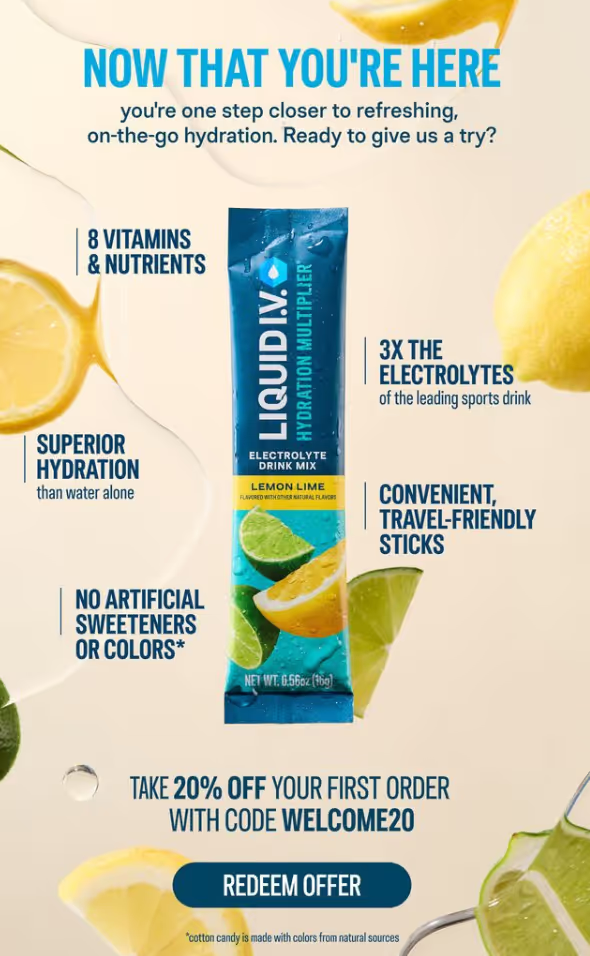
Why it works: The 20% discount is not the crux of the welcome email (though this welcome email’s subject line mentions it to guarantee an open). Instead, the email copy provides specifics on the electrolyte mix and identifies core benefits.
These benefits directly address key questions customers have about electrolyte solutions (for example, how is it better than sports drinks, and does it contain artificial sweeteners?).
Example 5: Miss Lola (Women’s Clothing and Accessories)
Your welcome email is one of the few opportunities to include some housekeeping information for your customers without it getting lost under a flurry of deal announcements or product rollouts. Miss Lola’s email consists of the usual elements like a welcome discount code, but it goes one (or two!) steps further:
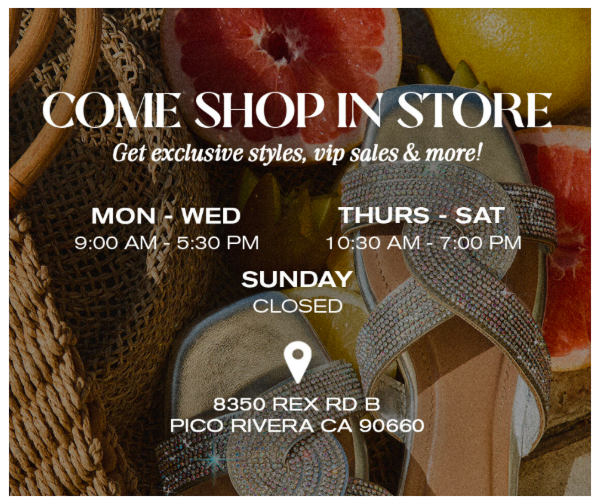
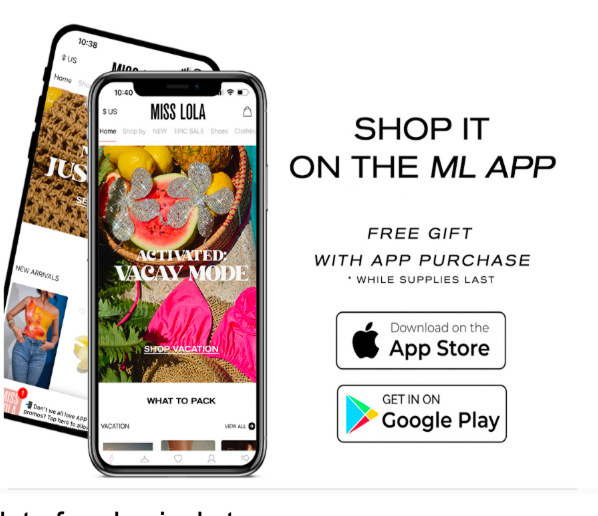
Why it works: By including the physical store’s address, timings, and the shopping app link, the welcome email covers all three shopping channels (app, website, and offline).
The welcome email also includes BNPN details.
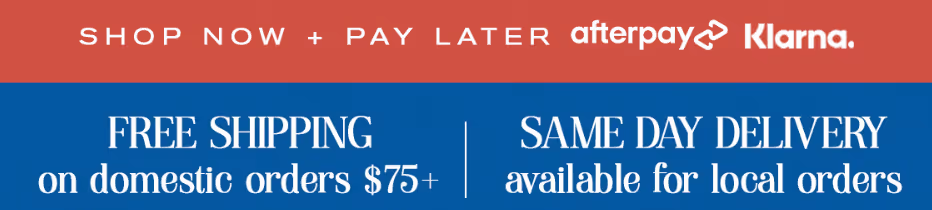
Including this in the welcome email saves the customer time they would have spent reaching the checkout page, only to realise their preferred buy now pay later payment method is not supported.
Example 6: Fable (Dog Gear), Hiya Health (Kids’ Supplements)
Whether your welcome email is for a newsletter signup or a marketing email subscription, a founder’s letter is a surefire way to humanize your brand and evoke empathy in potential customers. Take inspiration from Fable, which goes over the brand origin:
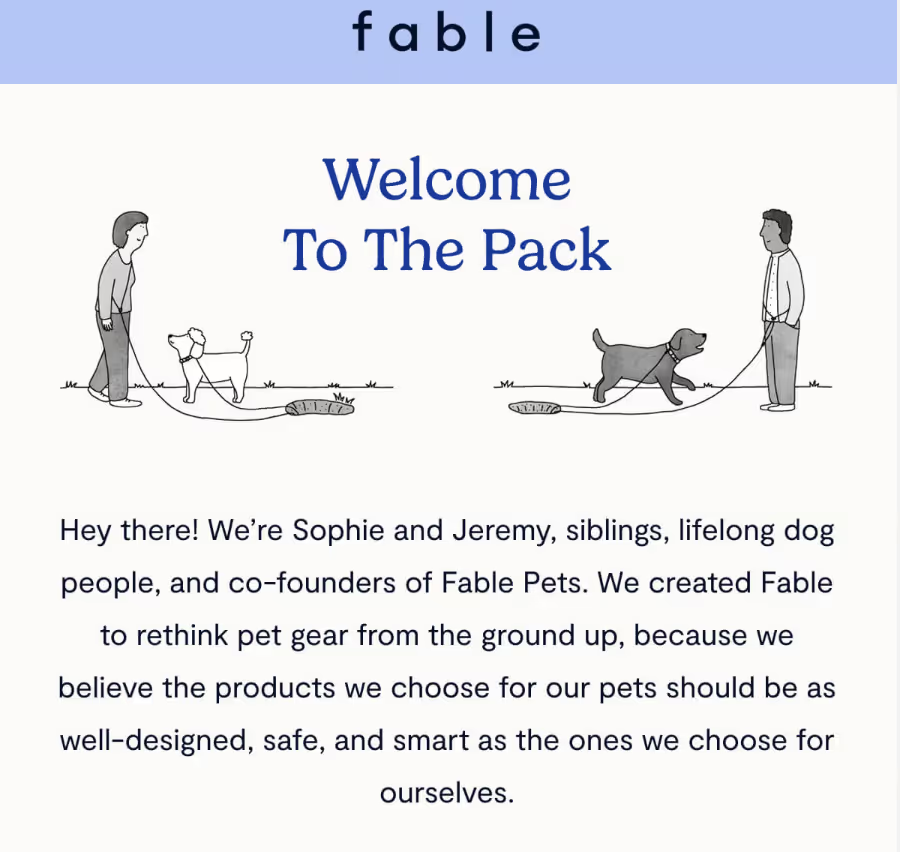
Why it works: The playful wording (“welcome to the pack”) and context-setting (“customers will automatically trust dog people to make practical dog accessories”) make a positive impact. Pointing out that the brand is family-owned will also earn some goodwill among customers who prefer to support small businesses.
Another example is from Hiya Health, which pulls at the customers’ heartstrings by identifying a widespread concern among parents, i.e., sugar-heavy supplements:
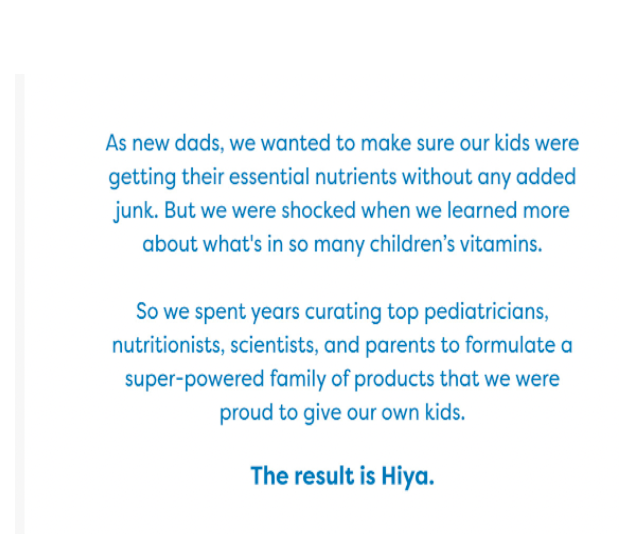

Why it works: The welcome email highlights that two dads founded the brand (which immediately builds trust among parents) and that the products are co-created with pediatricians and nutritionists. The founder letter is crisp, and the subject line (“Welcome to the Hiya Family”) creates a sense of belonging.
Starting on a personal note can encourage high customer engagement.
Example 7: Magic Spoon (Cereal Brand), Kosas Cosmetics (Makeup Brand)
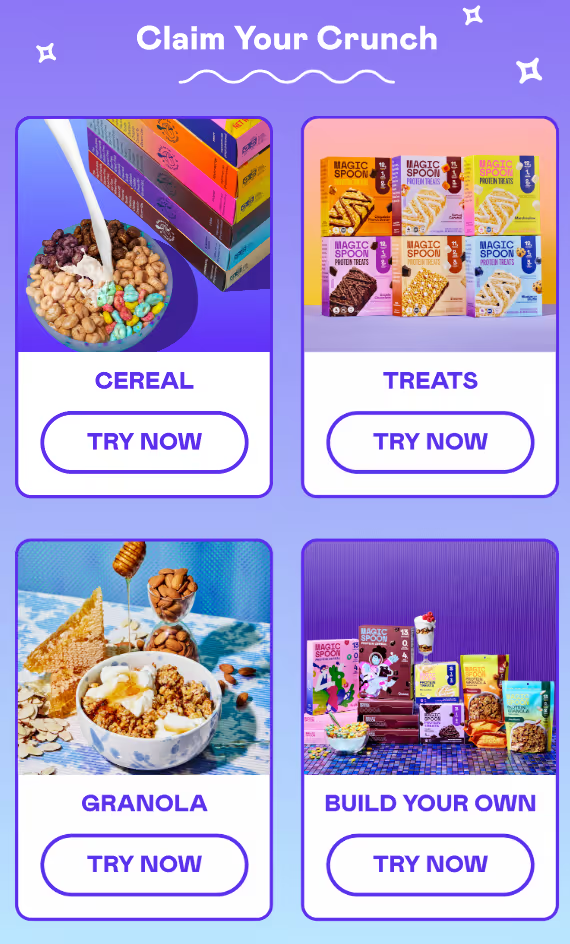
Your welcome email is precious real estate for showcasing your products. There are a couple of ways of doing this. Magic Spoon displays its product categories so that the customer gets to know about the types of products the brand offers:
Kosas, on the other hand, focuses on its best-sellers in its welcome email sequence:
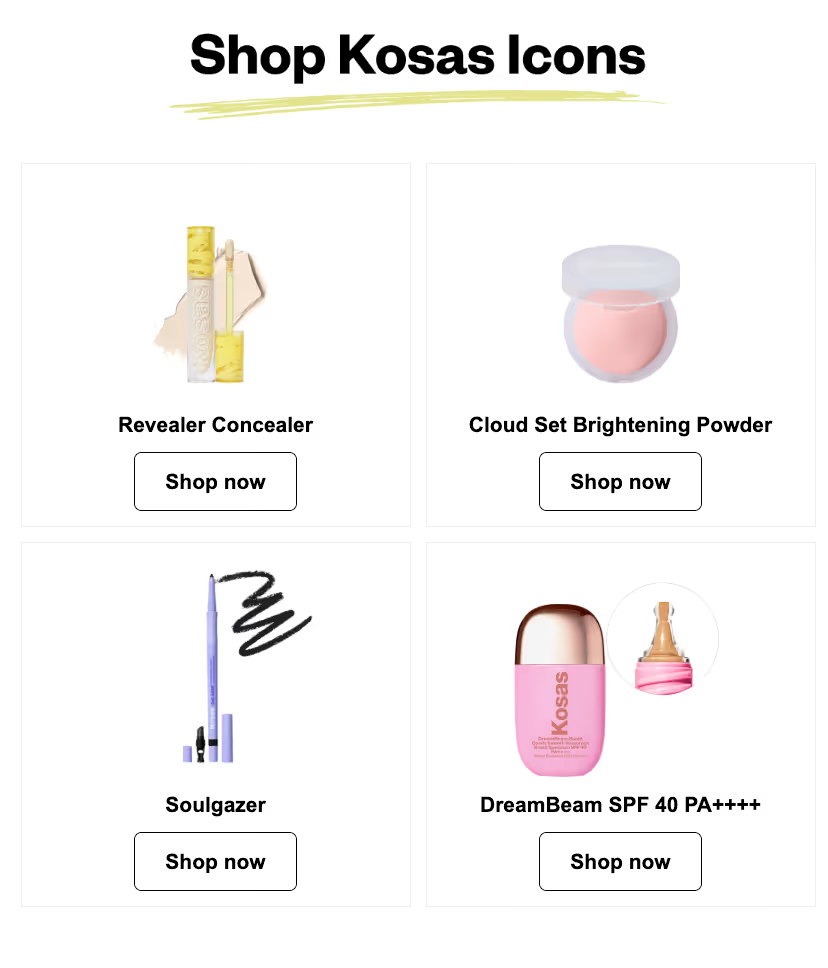
Why these emails work: Both welcome emails place their products at the forefront, giving a new subscriber a high-level view of what to expect when shopping on the website. This reduces decision friction that comes from landing on a website with a long drop-down menu. New shoppers who understand the catalog early on are more likely to click and browse deeper.
Giving your customers a mental map of your brand through your welcome email will improve customer retention.
Plug-and-Play Welcome Email Copy Templates
Now that you have the above brands to draw inspiration from, it is time to start crafting your welcome email series.Here are some welcome email copy templates, in case you are not sure of how to adapt these brand examples to your own brand:
Founder Letter Style Welcome Email
Subject line: Welcome to [Brand]: A quick hello!
Mission-Based Welcome Email
Subject line: Every purchase helps us [impact]
Testimonial-based Welcome Email
Subject line: They loved us, so will you!
Welcome Email That Introduces a Loyalty Program
Subject line: You are in! Member status: [brand] rookie!
It is essential to adapt the above template to your brand’s vibe and language. If you want to exude playfulness, use fun wordplay in your email copy and subject line. Fable’s welcome email has a chuckleworthy inclusion right at the end of its email for its target audience, i.e., pet owners:

Regardless of the tone and voice you use in your marketing emails, ensure they are consistent across your campaigns.
Welcome Email Best Practices
While creating your welcome message campaign, keep the following best practices in mind:
Do: Use an Engaging Subject Line
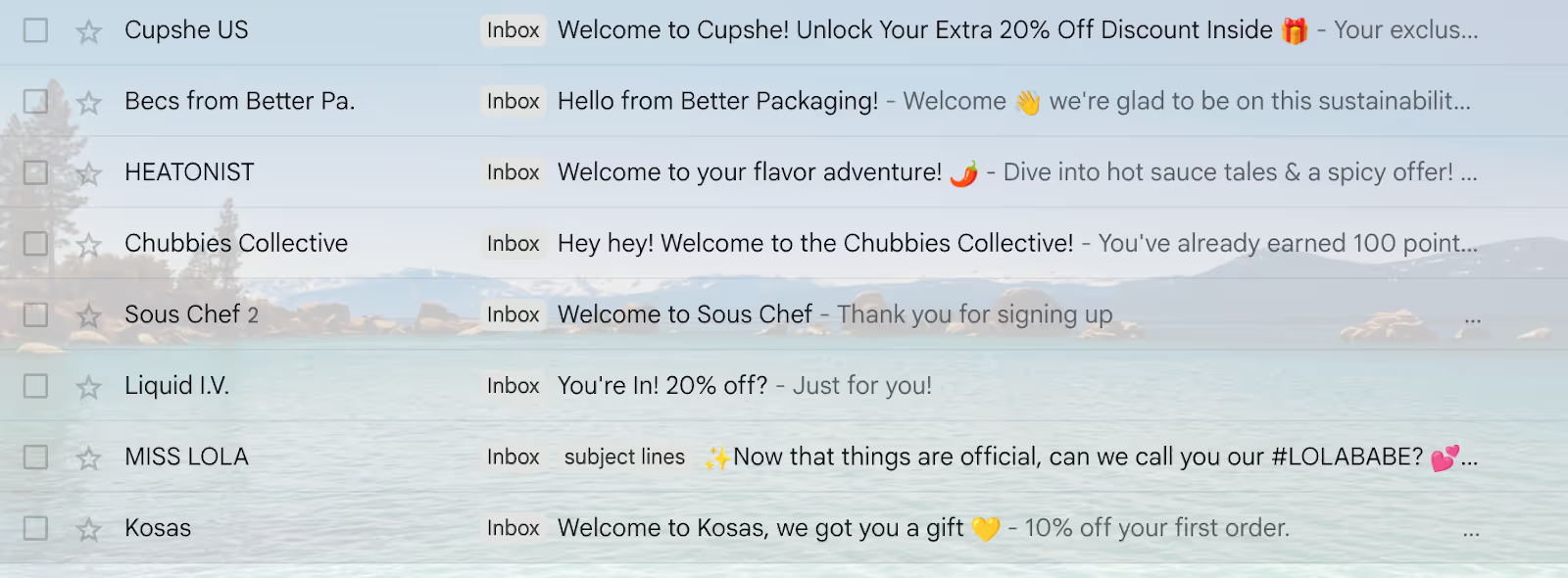
Your subject line must tell the subscriber exactly why the welcome email is worth opening right now, whether it is “Here’s Your 10% Off,” “Start With Our Best-Sellers,” or “A Quick Intro to Who We Are.”
Clarity here directly improves open rates and reduces the drop-off between signup and first open. Here are some examples from popular Shopify brands:
Do: Keep the Welcome Email Crisp
When shoppers sign up, they are often mid-browse or mid-purchase. If your welcome email is heavy or slow, they will not reach the CTA that brings them back to your site.
A 500-word brand origin email is not the way to go at this point. Focus on highlighting what the subscriber needs to know immediately so they can begin or resume their buying journey.
A crisp layout, tight copy, and minimal text blocks, and visual cues guide the reader and reduce cognitive overload.
Do: Time Your Welcome Email Smartly
Your welcome email sequence should be in your subscriber’s inbox seconds after subscribing. Not minutes, not hours.
If it shows up too late (for example, after they have already added items to their cart), the customer has moved into a different stage of intent. At that point, they are expecting a cart recovery or browser recovery email. A delayed welcome feels out of place and interrupts the natural shopping flow.
Don’t: Skip Welcome Emails
A welcome email is a trust anchor that the rest of your retention efforts rely on. Do not treat it like a "set it later" task or something less urgent than sales-heavy campaigns. It is the first touchpoint a customer expects, so make it count.
Don’t: Overload With Multiple CTAs/Not Have Any CTAs
Every welcome email should guide the shopper to one explicit, high-value action: complete their profile, browse a curated collection, claim a first-purchase incentive, or learn more about your company. Your welcome sequence will never convert if the reader has to think too hard about what to do.
Stacking CTAs will cause choice overload. And not having CTAs at all means missing out on the chance to get your customers to visit your website.
Don’t: Hide Benefits and Customer Perks at the Bottom
The majority of welcome email opens are quick skims. If the promised value is not immediately visible, subscribers abandon the email. The top fold of a welcome email has one job: answer “Why should I stay subscribed?”
Put your strongest value propositions right where the eye lands, that is, above the scroll/fold.
Pro tip: Complement your welcome emails with web push notifications and SMS alerts to adopt an omnichannel marketing approach that targets customers beyond the email inbox.
Welcome Your New Subscribers the Right Way With PushOwl
We have seen many Shopify brands win over their customers through a creative, relevant welcome email sequence. With PushOwl, your welcome notification sequence will not take long to set up, and you can tailor it according to your brand’s vision and voice before automation. Try it for free!