Introduction
When it comes to email marketing, businesses choose different ways to effectively communicate and connect with their potential or existing customers. Relationship emails are a great option because they focus on building trust over time, and not just to make some quick sales. These emails share useful updates, tips, and stories that keep your subscribers engaged and loyal. Shopify stores use them to turn first-time or one-time visitors into your loyal buyers. With the right tools, you can set up relationship email flows easily. In this blog post, you will learn what relationship emails are, see examples, and get steps to use them for your store.
1. Definition: What is a Relationship Email?
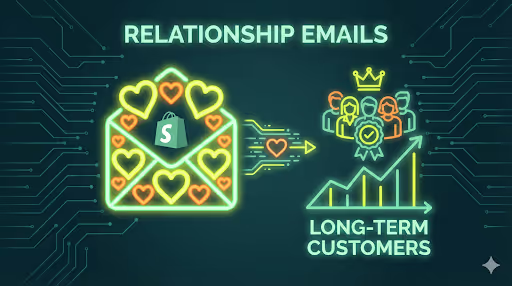
To understand what a relationship email is, we need to understand what purpose it serves for your business as well as your customers. A relationship email is a type of message that is specifically designed to mainly build trust, loyalty, and engagement with your subscribers. It does not concentrate on immediate sales. Instead, these emails can help you build long-term connections by sharing value with your audience through updates and tips.
Because of the value that they receive from such emails, your customers feel valued, and visit your store frequently. In the context of email marketing, they differ from promotional emails as they prioritize the customer's needs first.
Let us see some examples:
- The welcome emails that say thank you for signing up and share store tips.
- Thank-you messages after a purchase can help reinforce good feelings and connection.
- Emails that are sent as re-engagement check-ins to ask how things are going and offer help.
For Shopify users, these fit into automated flows to grow repeat business over time, so you can choose to send them regularly but not too often to stay relevant.
2. Relationship Emails vs. Transactional vs. Promotional

https://app.brevo.com/templates/email/edit/4
To compare these three types of emails sent to your customers, we need to understand that each one of them actually serves very different purposes and goals when it comes to email marketing. While the relationship emails for Shopify stores focus on building the much needed trust and repeat visits, the transactional emails handle order details, and promotional emails help you to push sales. Let us understand the differences in detail so you can plan the email strategy efficiently, and remember to use each type at the right time to meet customer needs and grow sales.
3. Core Purpose of Relationship Emails
So why do businesses send relation emails to their customers, with what purpose? Let us understand their core purpose. These emails help stores connect with customers over time, because they focus on earning trust instead of one-time sales.
Build familiarity with the audience and customers: These emails let customers know more about your store and what products and services you offer. So, providing them with regular updates on new products or tips makes your subscribers comfortable with your brand. They start seeing you as a helpful source, which also leads to more opens and clicks of your emails over time.
Make a strong connection with the brand: With your ecommerce relationship email strategy, you can share stories about your team or customer wins, which shows the people some behind-the-scenes of your store. This way, your customers feel a personal touch, not just a business, and it builds stronger bonds and trust.
Help efficiently drive retention: By sending relationship emails for your Shopify stores, you can encourage repeat buys and loyalty from your audience and customers. They remind your past buyers of the value they receive through check-ins or exclusive updates. This way, your customers stay engaged and spend more over time, which helps grow lifetime value.
4. Psychology Behind Relationship Emails
The way you write and send the relation emails matters and works best for you because customers always buy from brands they trust. Thats why relationship email marketing uses different connection triggers like empathy, reciprocity, and appreciation to build that trust with your audience and customers with each email.
- Empathy shows you understand customer needs through helpful content.
- Reciprocity gives value first, like free tips, so customers respond in kind.
- Appreciation thanks them for past buys or engagement.
Also, here, the tone you use in the emails matters, so always keep it warm and direct. You can add and use some clear visuals like product images or team photos. Using very easy and simple language makes the messages easy to read, and together, these help portray a positive brand view to the readers. Subscribers see your store as reliable and caring, which leads to more loyalty and sales over time.
5. Examples of Effective Relationship Emails
Let us now see some examples of real-world uses of relationship email examples to connect with your customers, which are useful to understand how stores build loyalty step by step.
Welcome Series Relationship Emails: You can choose to send three emails over a week. First, share your store story and values, then the second, can highlight the top products of your store. In the third email, offer a small tip, as this helps to set a friendly tone and can effectively boost first buys from your customers.
Relationship Emails with Thank-You Notes: After a purchase, you can send a note that thanks them, where you can include or mention a milestone like "10k customers thanks to you," which also adds a personal touch and makes buyers feel valued right away.
Relationship Emails Customer Check-Ins: After two weeks, post-order, you can check with them and ask how they liked their last order. Here you can include a quick survey or even offer help if needed. This shows care and gathers feedback for better service.
Relationship Emails to Winback without Pushing: To deal with inactive users, you can send "We miss you" notes with a store update, but it is best here to avoid discounts and mainly focus on any new items they viewed. This can greatly help rekindle their interest in your brand as well as your products, without any pressure.
Relationship Emails to Provide Exclusive Updates: You can proudly share behind-the-scenes, like team events or new plans, and choose to give early access to loyal ones. This makes subscribers feel part of your brand and group.
6. Creating Relationship Emails in Shopify
You can efficiently set up relationship email flows in Shopify with different built-in tools. You can use customer tags to spot loyal or repeat buyers, where Shopify Email lets you send targeted messages to your customers and audience. To make this process efficient and automated, you can always choose to connect apps like PushOwl or Klaviyo.
These let you automate personal notes right after someone buys. You can also include simple surveys or feedback links in your check-in emails. In these emails, you can tag customers by what they do, like viewing carts or making past purchases.
You can plan to send relationship emails for Shopify stores once a week to your best customers. It is best to frequently keep a track of the opens and clicks, then adjust what works. This approach saves you time and helps keep customers coming back. You can start initially with easy flows like welcome and thank-you emails, and then grow from there as you notice better results.
7. Writing Tone and Style for Relationship Emails
The writing tone and style for the relationship emails you send to your customers and subscribers should always feel natural and customer-focused. So here you can use a conversational, human tone that puts the reader first. To achieve that, write like you are talking to a friend, but keep it professional, and best avoid any hard-sell words like "buy now" or "limited time."
Instead, you can choose to share short stories about your store or thank your customers for their support, as this actually builds a real connection. In such emails, always use first-person words like "we" or "I" to make it personal, such as a note from the founder, and always keep sentences short and clear. You can add or ask questions to draw readers in, and test different tones to see what gets more opens and replies for your relationship emails with your specific target audience to understand better.
8. Relationship Email Timing, Frequency, and Best Practices
The best ways for sending relationship email marketing are to mainly keep subscribers engaged without annoying them. So, for the timing and frequency, it is best to send these emails once every 2 or 4 weeks, which works well for such non-sales messages.
You need to make sure each email has a clear purpose, like sharing an update or asking for feedback, and it is best to avoid sending too often, as it can lead to unsubscribes for your brand. It is a good idea to check your data to see what timing gets the best opens, and then adjust based on customer response. For busy seasons, you can space them further apart to keep your list healthy and build steady trust over time.
9. Measuring The Success of Sending Relationship Emails
If you are wondering how you can measure the success of the relationship emails that you send to your customers, you can track important metrics to see if the ecommerce relationship email strategy works for your store. You should look at the reply rate to measure direct responses, and then check engagement time to see how long people read.
It is best to check the repeat purchase rate for your returning customers and use the sentiment/reputation score, for your brand, from the feedback or reviews that are shared by your subscribers. Remember here, having a small audience with high engagement is always better than having a large list with low connection, so focus on quality over quantity. You should test one change at a time, like subject lines, and then compare results month to month, to adjust based on data to improve trust and sales over time.
10. Easy Relationship Email Ideas to Implement for 2026
Here are some easy to follow and implement email ideas that you can use for your store or brand to make a lasting connection with your audience.
AI-personalized appreciation messages: You can use AI tools to create custom thank-you notes to mention any past buys or preferences as per the customer and subscriber. This you need to send after key actions, as it makes customers feel seen, plus boosts loyalty with a personal touch.
Sustainability and purpose-driven storytelling emails: In these emails, you can share your store's valid efforts and steps you take, or updates on goals and mission. You can explain how you support good causes, and add links for customers to join in. This builds trust through values you both share.
Providing community-centric updates: It is a great idea to share stories from your customers or news about group events, and also ask for their thoughts on new products, and you can do this via newsletters. You can highlight your top buyers, as this helps everyone feel connected and keeps them engaged.
Video or voice message from founders: This is one of the efficient and personalized approach which can include short video or voice clips from your founders, where they share store updates or some quick tips, so keep messages real and to the point. This draws customers closer and gets more replies.
11. Some Common Mistakes To Avoid
- It is best to avoid turning relationship emails into any hidden sales pitches because this can greatly affect the trust within your customers and also result in low email open rates over time.
- Avoid not reading or replying to the valuable customer feedback you receive, as this breaks the personal connection you aim to build with your brand with your audience.
- You should avoid sending relationship email examples too often, as this annoys subscribers and raises unsubscribe rates quickly, because it may seem pushy.
- Try to maintain consistency when sending these emails, as skipping sends for weeks makes your store feel inconsistent and hard to remember.
- Don't forget to track the open rates, clicks, and other important analytics from these emails, as missing these means missing chances to improve your email plan.
Conclusion
For your Shopify store, remember that using relationship emails helps turn your one-time buyers into loyal fans for your brand, who also help spread the word. They can greatly help build your brand for the long run and make it memorable in the minds of your target audience and customers. Though promotional emails bring in quick sales for your store, it is relationship emails that create the much-needed trust amongst your customers that lasts.
So, start with simple steps like welcome notes and check-ins, use them weekly or every two weeks, and track replies and repeat buys to improve. PushOwl makes this easy for your Shopify stores, as it lets you automate personal flows like thank-yous and updates, very easily, without any issues.
Set up your first non-sales thank-you email today, and send it after the next purchase. Watch how it boosts opens and loyalty over time.