E-commerce brands are always fighting the same fights everyday. Expensive traffic, crowded inbox, and even when SMS works better, it either burns money or trust if done too often. But there is one aspect that can get overlooked, which is immediately after a user exits your site. It was not that the user said no, they were just distracted.
This is where web push lives.
It’s a channel which lets Shopify based brands reach their users instantly, and without any additional information or action from the user. If done right, it can be perceived as a timely reminder rather than marketing.
In this blog, we will:
- Understand Web Push and its impact on e-commerce
- Explore the best Shopify web push apps in 2026
If you are a Shopify brand owner, this blog will enable you to pick the best web push tools for your store.
What is Web Push?
These are notifications and messages which appear on a user’s laptop or mobile, within the browser. If a user has opted-in, brands can send updates to users even if they are not actually browsing their website.
In e-commerce, this channel is great for product drops, changes in price, abandoned cart re-engagement and limited time offers. It's light, opt-in based and quick, AND it's not a replacement for emails or SMS, but it works as a collaborator to them.
Why Web Push Matters for Ecommerce?
Attention, in this day and age, has become fragile. And this is also why most customers leave sites. The major advantage for web push, is its ability to bring back users at the correct time. The notifications/message is seen when the intent is still super fresh.
But to make web push a really effective channel, relevance is the key. If notifications feel personal then people are much more likely to respond positively. In a helpama consumer survey, 61% of users said they would use an app/site more often, if push notifications were personalized to their preferences.
This is an insight that e-commerce can thrive on. Data already exists, and with AI coming into the picture, web push is ideally placed to boost e-commerce engagement and revenue.
Web Push Impact & Performance
Even as an Industry, web push is being paid a lot of attention. The push notifications software market is valued at $27.91 billion in 2025 and is projected to reach $91.22 billion by 2030, growing at a 26.7% annual rate. This is a growth trajectory that happens only when a channel is constantly showcasing results. And these results are very visible in e-commerce use cases.
Let's take a look at the Vice City Breaks case study.
They used web push to let consumers know when new products dropped and generated more than $77,000 in revenue within six months. Out of this 14% of the orders were directly attributable to web push notifications. What makes this so impressive is that they only have 208 subscribers, meaning the engagement and revenue per user was optimized due to their re-engagement strategy. AND this all happened using just the FREE PushOwl Plan.
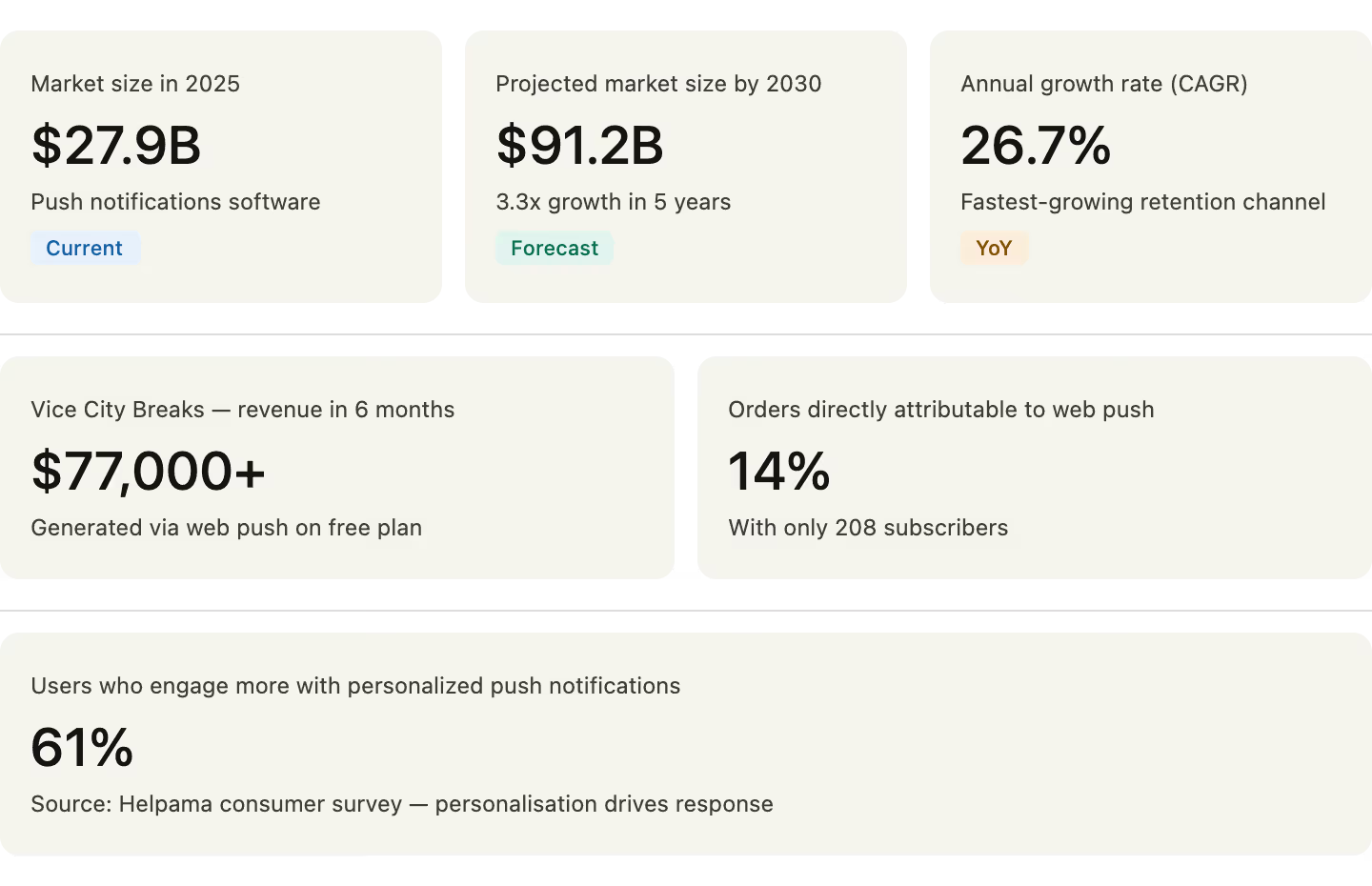
This is what web push can bring. No need for huge lists or regular bombardment of campaigns. A small but engaged audience can drive more revenue if the message and timing are right.
The Top 8 Shopify Web Push Apps
As a store owner, when you evaluate which web push app is to be installed, you should look at what your business objectives are and what your store's current and future prospects look like ( in your plans ) rather than just the app's features. Lets breakdown the Top 8 Shopify Web Apps, and what they are built for.
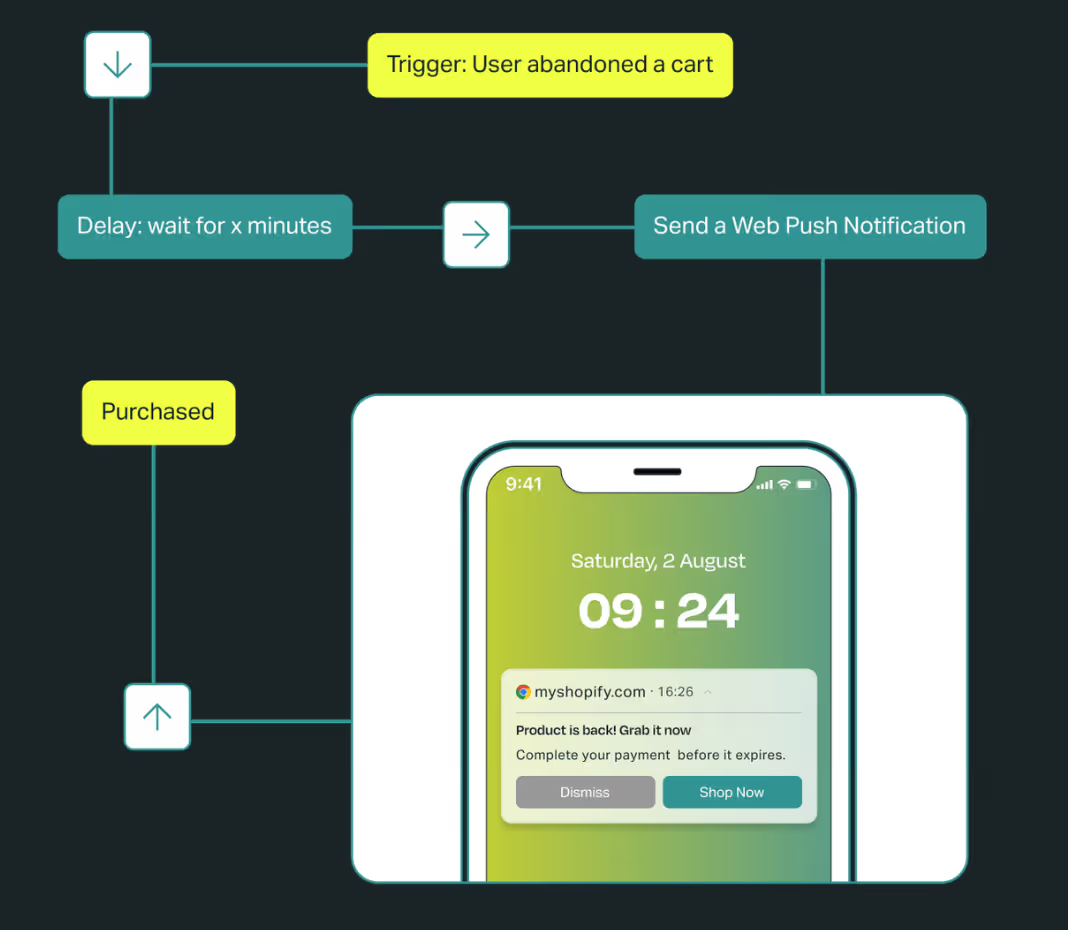
1. PushOwl by Brevo
Key strength: Offers an omnichannel approach to customer engagement and growth in revenue, to unlimited subscribers
Best fit for
Any e-commerce and D2C brands that need a scalable system which works across emails, SMS, WhatsApp and Web Push.
If you’re thinking: “My Web App should enable me to acquire, recover and re-engage users within a single platform, as my brand keeps growing.”
Why it works
PushOwl enables the Shopify store owner to go beyond web push notifications. It becomes a complete user engagement flow for the store, and combines messaging across different points in the customer's journey, both on and off the store. It has in-built Shopify-native automations which makes it simple for real shop workflow plug-ins. And this is in addition to a variety of converting templates, and all the basic and advanced web push features.
PushOwl is flexible if you are an early-stage shop, and still powerful enough if you are a brand that needs tighter control on messaging and revenue analytics. This is what makes PushOwl a platform that a Shopify merchant would grow into, and not grow out of and need new solutions.
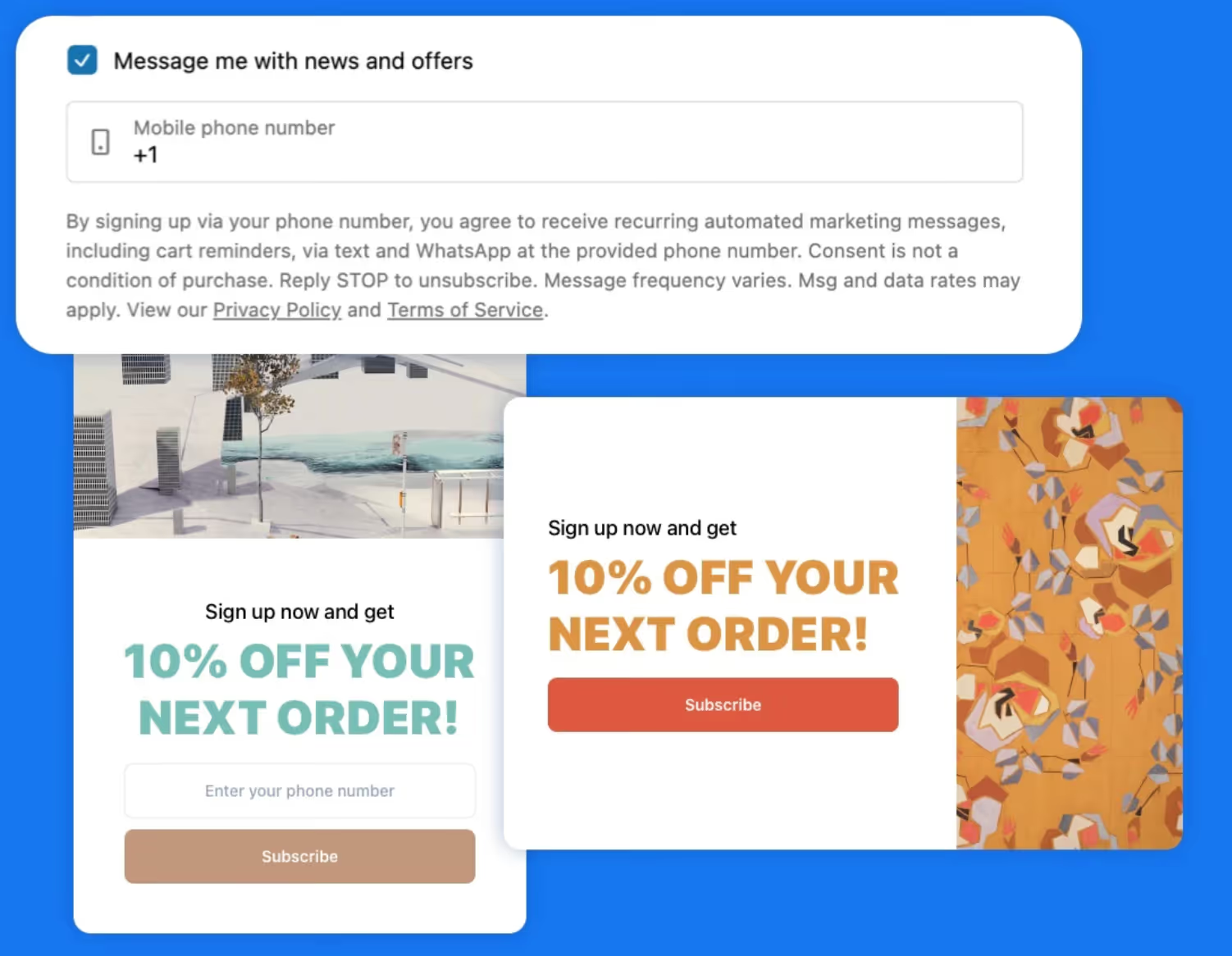
Hextom: WhatsApp, SMS & Push
Key strength: Offers multi-channel messaging with a WhatsApp first approach
Best fit for
Shopify merchants that are India-focused, particularly in beauty and apparel segments that need a multi-channel messaging platform
If you're thinking: “I need something simple to begin with, and my customers are the most responsive on WhatsApp.”
Why it works
Hexton is super easy to begin, and does not require any complicated setups. This works extremely well for brands who want WhatsApp-led messaging and communication. The free plan covers abandoned carts, which is always a key revenue use case.
So if you are an India-focused store with a small team, this might be the right tool for you. But it is important to note that Hexton is not built for deep analytics or segmentation, as some of the other more advanced tools on this list.
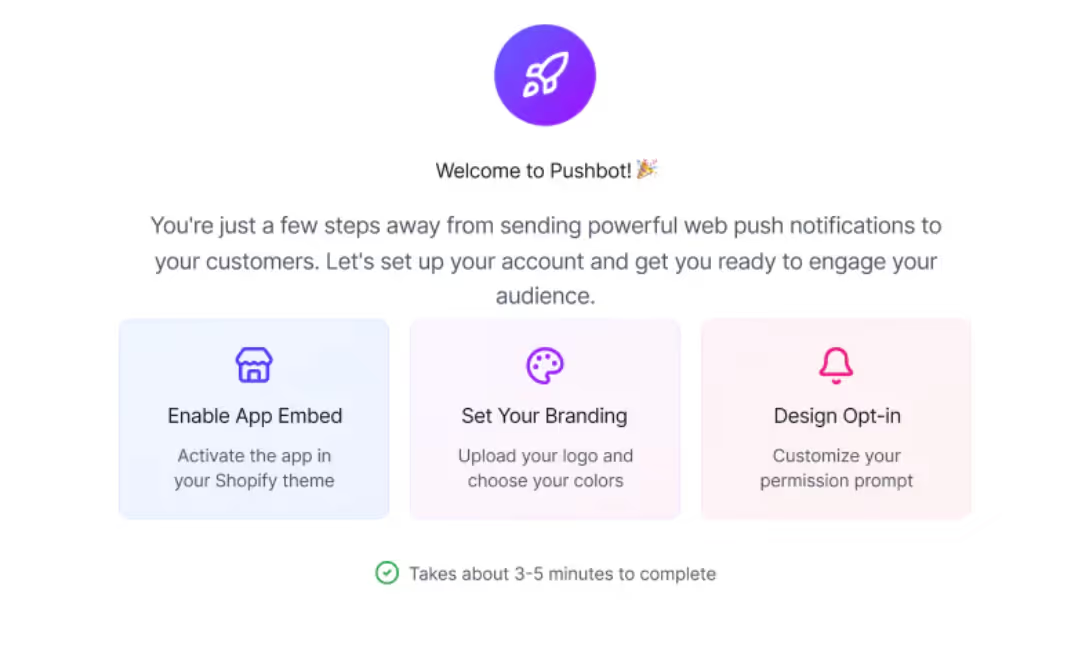
PushBot
Key strength: Offers a basic, low-cost web push service.
Best fit for
Shopify stores that are just trying to figure out if web push is needed for them.
If you're thinking: “My web app should enable me to text out web push without a high cost or complexity. “
Why it works
PushBot is built to keep push notifications simple. Quick setup, easy to run campaigns, and little maintenance effort once live. It is good for small or early stage stores that just want simple notifications and not commit to any costs of complex automations.
Firepush
Key strength: Offers automation processes built for repeat purchases.
Best fit for
Any mid-sized or middle-stage store who are focusing on retention, especially through price drops and back in stock notifications.
If you're thinking: “My web app needs to send automatic notifications and drive repeat purchases.”
Why it works
Firepush is very well stacked on automation, with pre-programmed triggers for price drops and back-in-stocks alerts always working in the background.
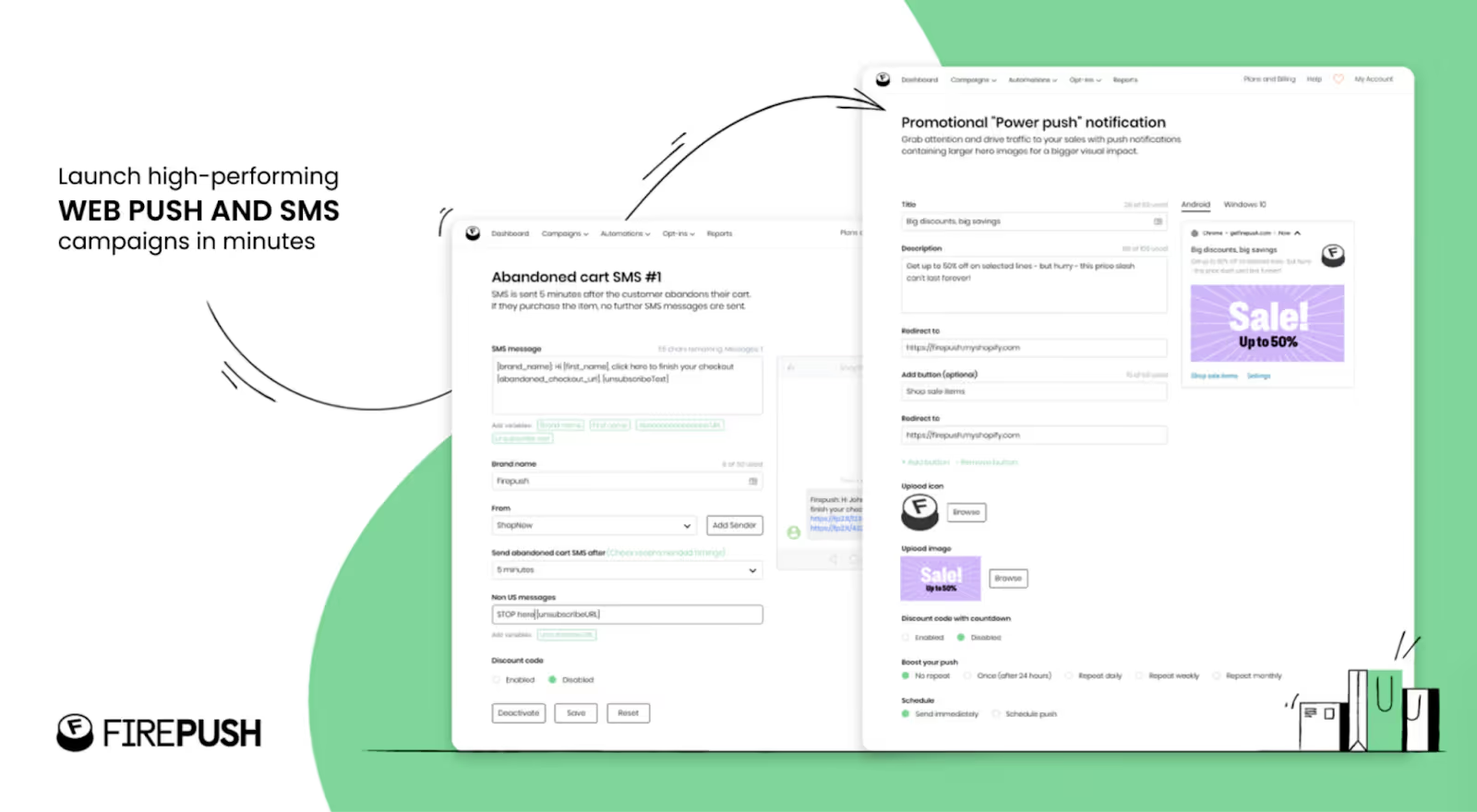
This is why this can work best for a store that already has a steady stream of traffic, and repeat orders can be driven through automation rather than manual work. Pricing for this app will scale with growth, and should be kept in mind.
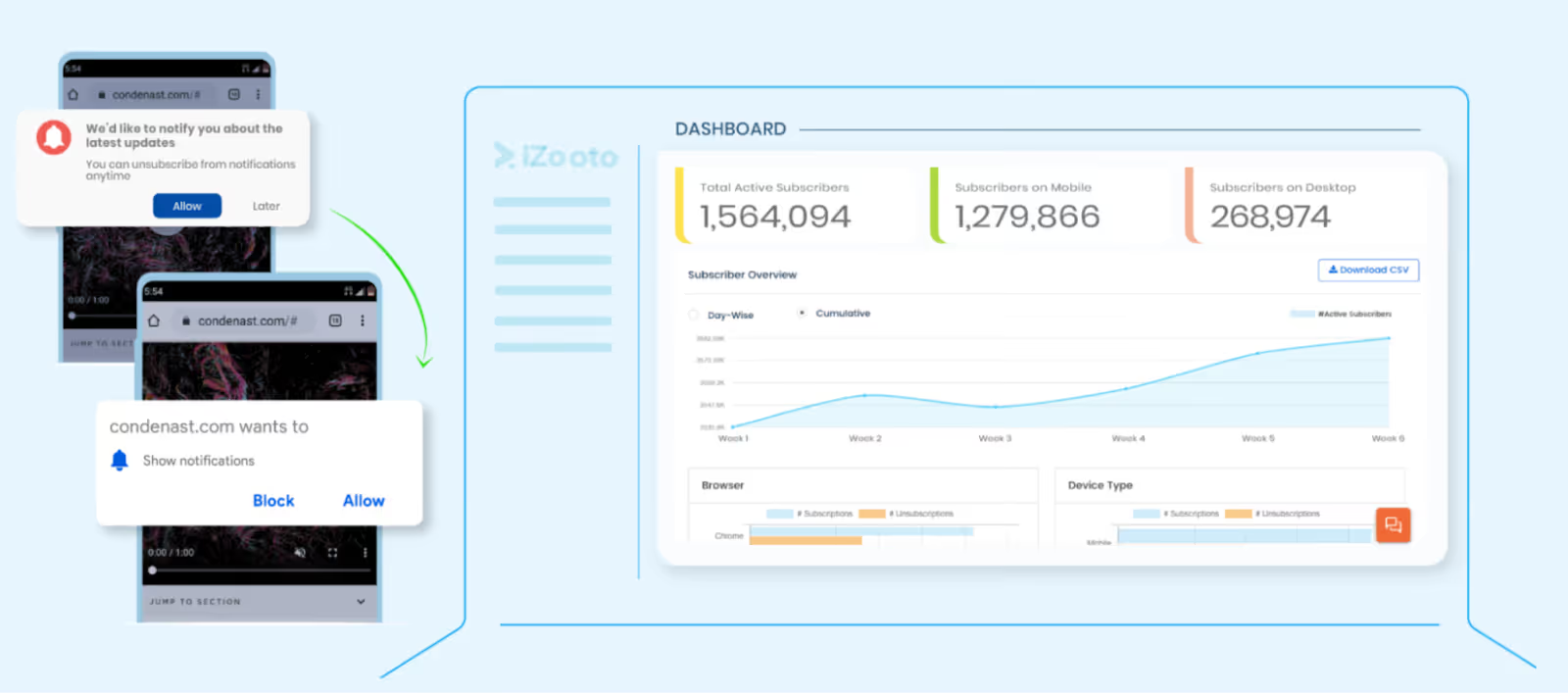
iZooto
Key strength: Offers complex segmentation and A/B testing capabilities
Best fit for
Brands which already have large subscriber bases, and their marketing teams run campaigns entirely on data.
If you're thinking: “My web app needs to be super personalised, and easy to test & optimise at scale.“
Why it works
Izooto is made for those teams that need a lot more control by using segmentation and A/B testing. Thus, it can enable marketers to optimize communication on the basis of data and not just gut feeling.
This is good for large brands, which have complex needs and can focus on experimentation. Smaller brands might not really need these capabilities to begin with.
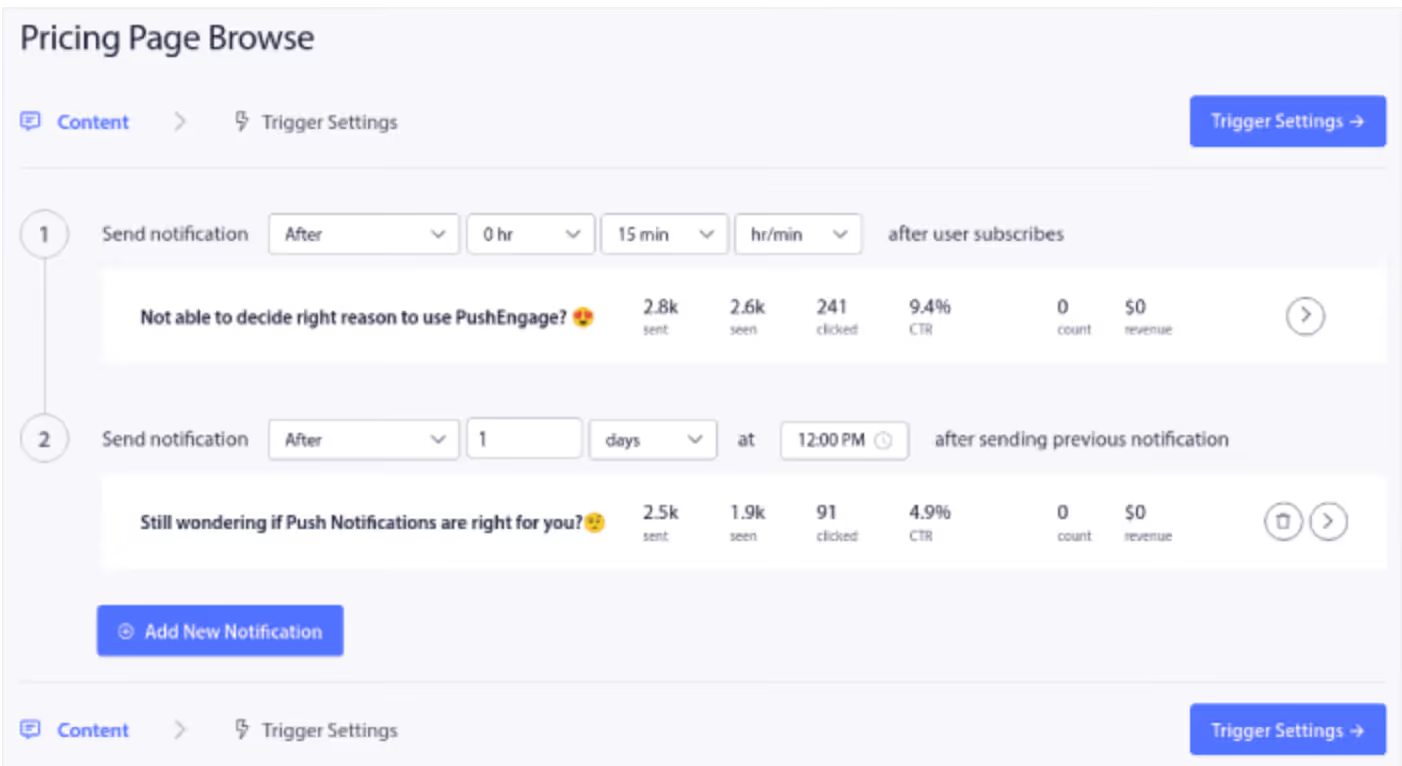
PushEngage
Key strength: Offers a customer journey based re-engagement flow
Best fit for
Brands which have high-traffic or are content heavy, and want to focus on long-term engagement.
If you're thinking: “My web app should enable me to bring back users over time, since I already have high traffic and content volume.”
Why it works
PushEngage is focused towards customer journeys and campaign based re-engagement, and not just individual notifications. Thus it is very useful for stores that have a well developed content and user acquisition engine. For smaller stores, this would make their web push feature too complicated without much benefit.
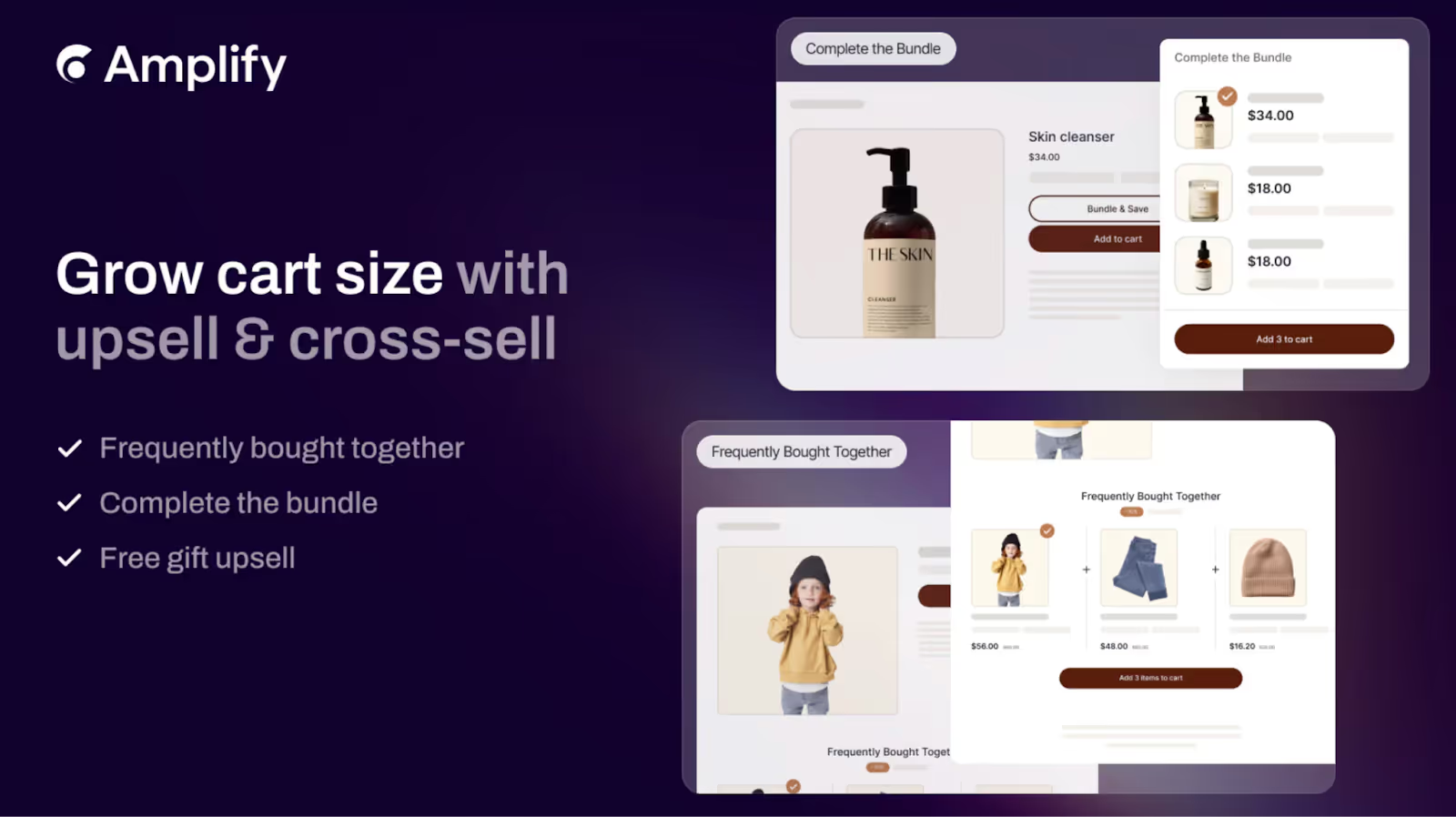
Ampify
Key strength: Offers simple and fast opt-ins and sales announcements
Best fit for
Brands that are built around promotions which use urgency or time-based campaigns.
If you’re thinking: “ My web app needs to drive frequent sales and faster traffic spikes through promotions.”
Why it works
Ampify is built for a fast and urgent web push flow. Opt-ins are pop-up based, which allow subscribers to grow quickly, and instant notifications which work well for flash sales.
This web app is good for those stores that need short-term promotional pushes through their web push notifications and not use it as a long-term strategy.
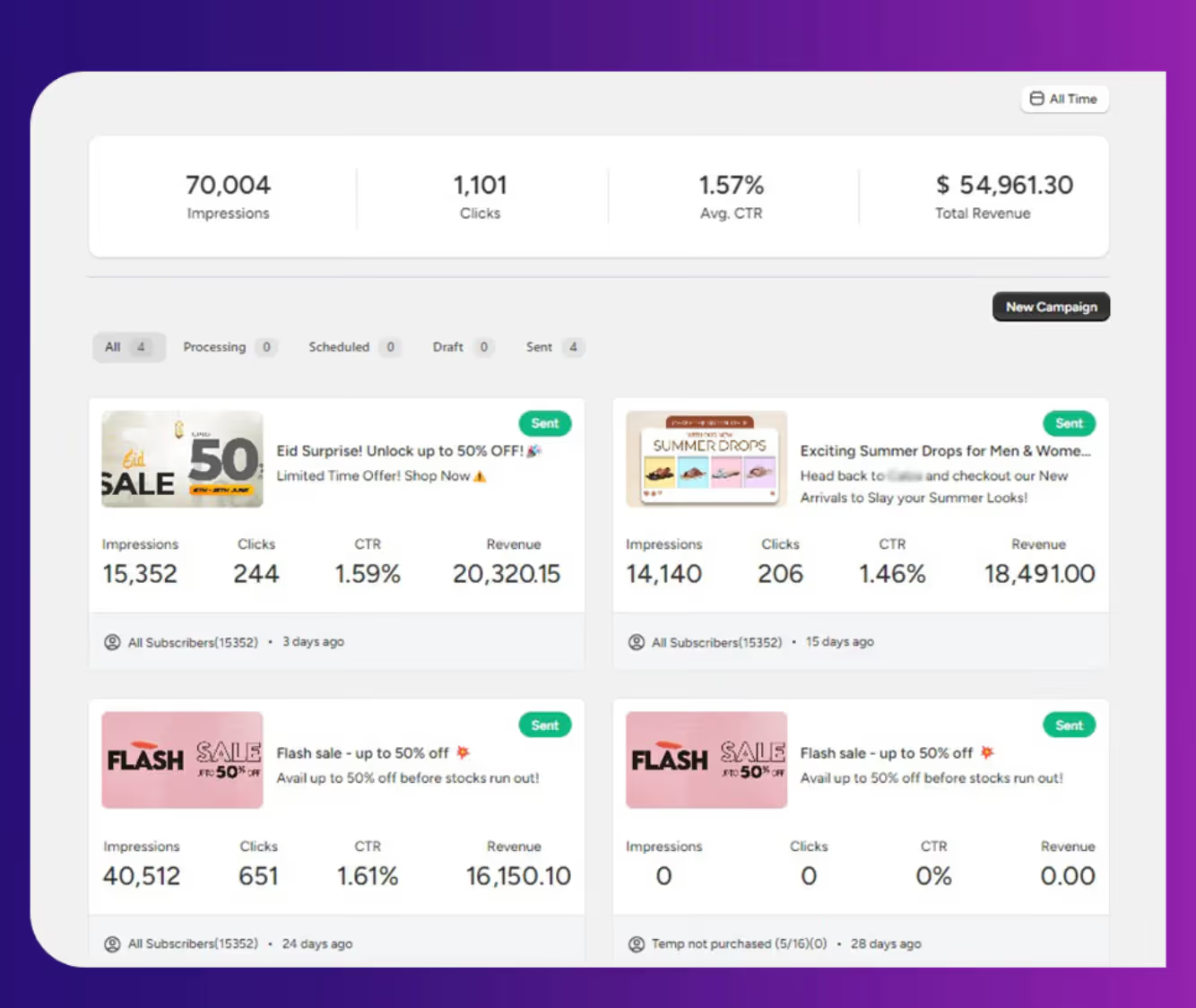
Meeri AI Web Push Notification
Key strength: Offers AI-based personalization and no-code automations for campaigns
Best fit for
New or upcoming stores which are looking for AI-based personalisation but with a minimal setup.
If you're thinking: “ My Web app should not need me to manually set up complex rules, and still be able to run smart campaigns.”
Why it works
Meeri Ai is focused on making campaign creation easier by using AI-powered templates and automated recovery flows. It is built for teams who might not necessarily have the bandwidth for deep technical efforts but still need smarter targeting and segmentation.
While this is easily accessible to smaller stores, it is a relatively new app and does not have a lot of customer data to back up its feature strengths.
The Omnichannel Approach to Web Push
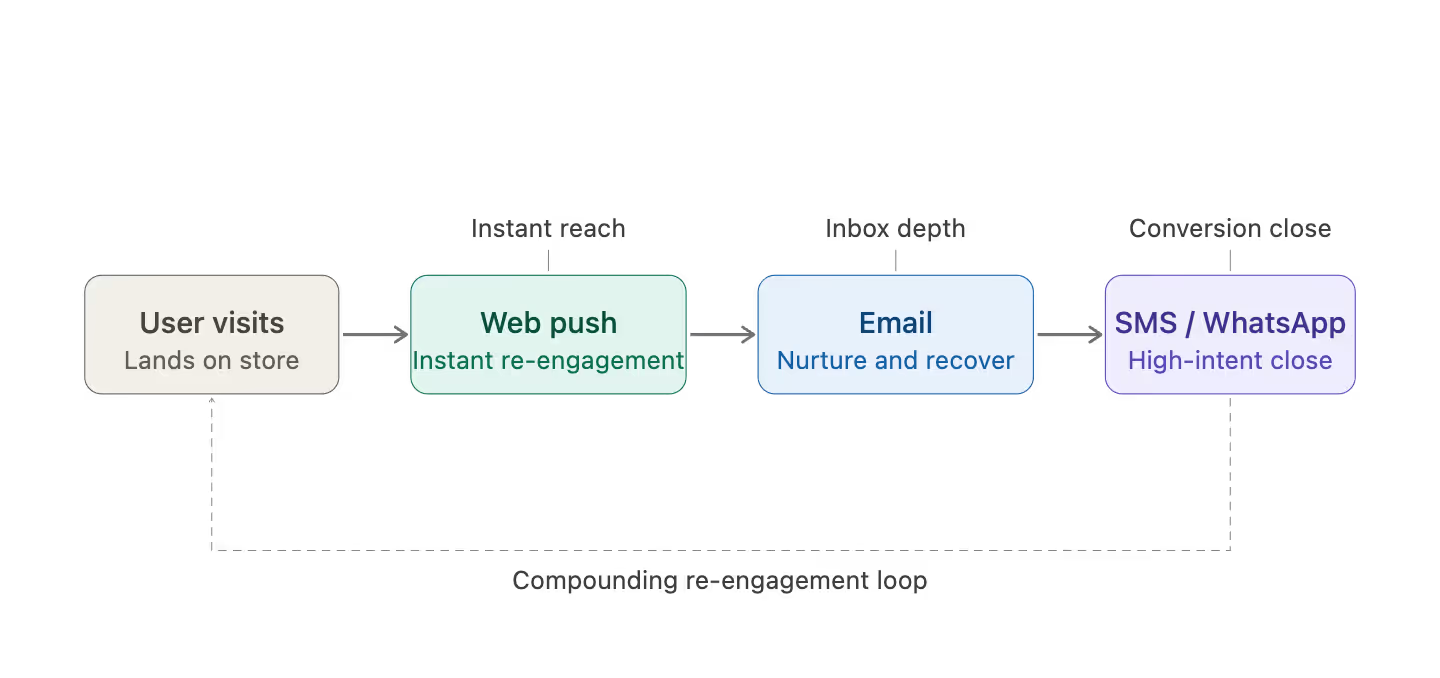
Web push is a channel that performs best when it is used in a larger retention loop. While it is great for instant reach, and time-based nudges on its own, when it is paired with SMS and email it creates a system of compounding engagement and revenue.
This is a good way to look at it:

So instead of running campaigns in silos, these channels should be run in a coordinated manner for maximum impact. This is exactly how an omnichannel approach based tool like PushOwl shines. A store owner does not need to jungle various apps, and a single workflow can be tested, automated and scaled across all three channels, ie, push, email, SMS and even WhatsApp if necessary.
So if your brand is serious about retention, the real question is not if you should use web push or not, but HOW well you connect it to your entire marketing stack. When you are choosing an app for this journey, choose one that fits where your store is today AND where you want it to be tomorrow.