Every Shopify brand understands the value of customer segmentation.
But what if you took that customer research and broader market study one step further?
Market segmentation allows you to define your product positioning, not just who your customers are. When you focus on a specific market that no one is looking at, your competitive landscape narrows significantly.
This guide will help you choose the right market segmentation model and show you how to use it effectively.
What Is Market Segmentation?
Market segmentation is the process of dividing the broader market into distinct groups or segments. Each segment shares a set of common characteristics. These characteristics could be demographic factors, needs, lifestyle preferences, or values.
By positioning your product as a solution for a specific segment within a large market, you differentiate your brand from generic offerings and address the needs of that segment.
Benefits of Market Segmentation
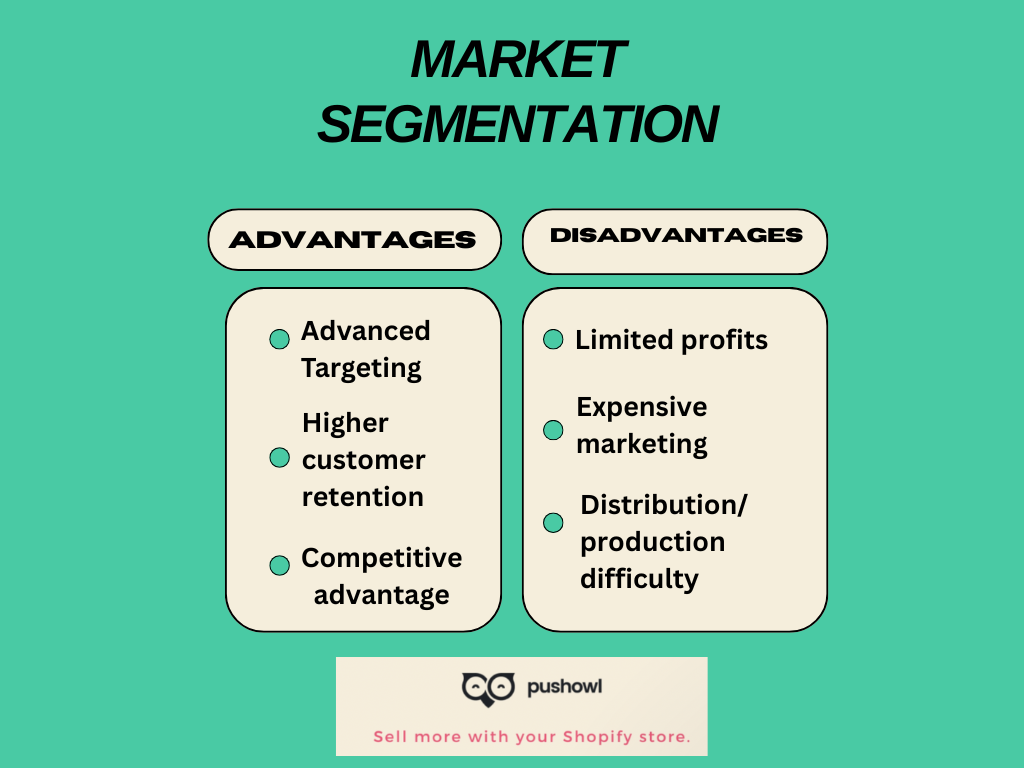
The objective of market segmentation is to focus on clearly defined parameters and apply them to a broader market. This improves overall business efficiency and, when executed well, leads to stronger customer loyalty within a nuanced segment. Market segmentation helps you achieve three core outcomes:
Advanced Targeting
Because your product is built for a clearly defined market segment, your campaigns can deliver highly contextual messages from day one.
ou can target based on behavior, past activity, purchase intent, and other relevant signals, all while speaking to a small but highly aligned audience. Everything from your subject lines to your email sign-off can cater to this specific market segment.
Higher Customer Retention
When you operate within the right market segment, your product naturally aligns with the audience’s needs. This reduces churn and increases customer satisfaction. Market segmentation supports long-lasting customer relationships by positioning you in a market that genuinely aligns with your strengths.
Unlock Advanced Market Segmentation For Free With PushOwl
Competitive Advantage
Market segmentation creates a structural advantage: you are operating in a less saturated and more defined market. This results in more precise product positioning and faster adoption among high-fit segments.
You will gain the ability to outmaneuver competitors who are casting a wide net by personalizing your newsletters and other e-commerce emails for this segment.
Disadvantages of Market Segmentation
Because market segmentation requires a Shopify brand to hyperfocus on a niche group, this approach comes with a few key disadvantages. Brands that base their product strategy on market segmentation should keep the following in mind:
Limited Reach, Limited Profits
You are catering to a smaller segment, which naturally shrinks your potential customer base. Over time, your growth may plateau, and your profitability will hit a ceiling. Additionally, a limited market segment can make scaling difficult, depending on your product or service.
Ensuring strong product-market fit early on helps prevent investing in a segment that ultimately may become unprofitable.
Expensive Marketing
Market segmentation requires deeper research and more specialized messaging.
You may need…
Focus groups.
To execute multiple targeted campaigns.
To develop more refined creative direction.
Hyper-focused email templates.
When your product is designed for an exclusive group of people, breaking into the niche can be difficult and, therefore, expensive. Because your product is built for a narrowly defined market, early-stage brand awareness requires more varied messaging and more precise experiments.
Difficulty in Distribution and Production
Focusing on a narrow market segment can create distribution and product challenges, as the brand needs to tap into that segment’s deeper preferences, buying patterns, regional nuances, and channel requirements. This reduces operational flexibility and can force the business to structure its operations around that segment.
Types of Market Segmentation
You can use four types of market segmentation to divide a potential customer base, whether this is for email segmentation or your other marketing channels:
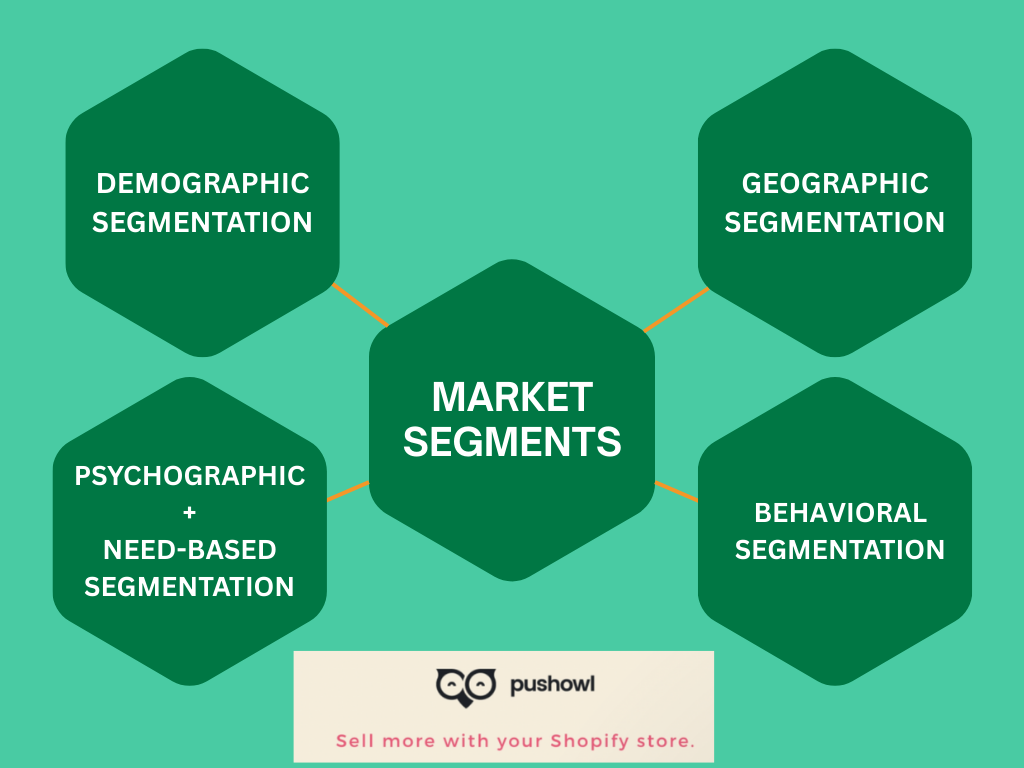
- Demographic segmentation
- Geographic segmentation
- Psychographic segmentation + need-based segmentation
- Behavioral segmentation
Demographic Segmentation
As the name suggests, demographic segmentation divides the market based on intersecting demographic data such as:
- Age
- Gender
- Education
- Marital status
- Income and occupation
- Family dynamics
- Life stage
Market segmentation based on demographics is effective because people who share those traits often respond more strongly to products built with their realities in mind. For example, as a wellness brand, you can target the market segment of pregnant women with specific health needs, rather than everyone under the sun.
Geographic Segmentation
Geographic segmentation is the process of dividing a market by customers’ physical locations. This can range from broad regions or countries to narrow areas such as cities or zip codes.
Beyond using geographic market segmentation for local events, this type of market division also links to other related parameters:
- Weather: When your product demand shifts based on climate patterns, weather becomes a natural segmentation driver. For example, regions with high humidity will require different inventory and promotional planning for skincare products suited to humid weather, compared to drier areas. Weather-driven preferences may also influence product design and pricing.
- Population density: You can build your brand based on urban vs rural market segments. For example, a grocery brand targeting rural areas may offer bulk purchases or extended delivery options to account for limited local access.
- Terrain/Accessibility: Different terrains can create distinct market segments. For instance, a two-wheeler company may design and sell scooters specifically for hilly regions.
Psychographic Segmentation
The term ‘psychographic’ refers to the study of people’s attitudes, aspirations, and other psychological parameters. Psychographic segmentation is a classification based on:
- Values
- Attitudes
- Interests
- Goals
- Opinions
- Beliefs
Psychographic segmentation is one of the most nuanced forms of classification, with an endless scope of application. For example, a skincare brand may sell Ayurvedic products to target customers who believe in clean beauty. If you are an apparel brand, you can sell recyclable clothing to appeal to sustainability-focused customers.
A related type of segmentation is:
Need-based Segmentation
Need-based segmentation classifies customers based on their shared needs and problems. These customers may come from different regions, demographics, or value systems, but their needs are rooted in:
- Specific health concerns
- Price sensitivity
- Convenience requirements
- Feature-seeking (advanced, high-tech, and other such niche features)
Psychographic preferences and needs often overlap, since needs can drive your habits and lifestyle. The key distinction is that need-based segmentation focuses on customer problems, and psychographic segmentation focuses on internal traits.
Behavioral Segmentation
Behavioral segmentation is the process of classifying customers based on their online behavior. It is one of the most dynamic classifications and requires close monitoring of customers’ patterns. Studying the following parameters will help you track changes across other segmentation types, such as changes in values or locations.
Pro tip: With PushOwl, you can filter by channel engagement to see which shoppers respond better to push notifications, email, or SMS, then route campaigns through the right channel.
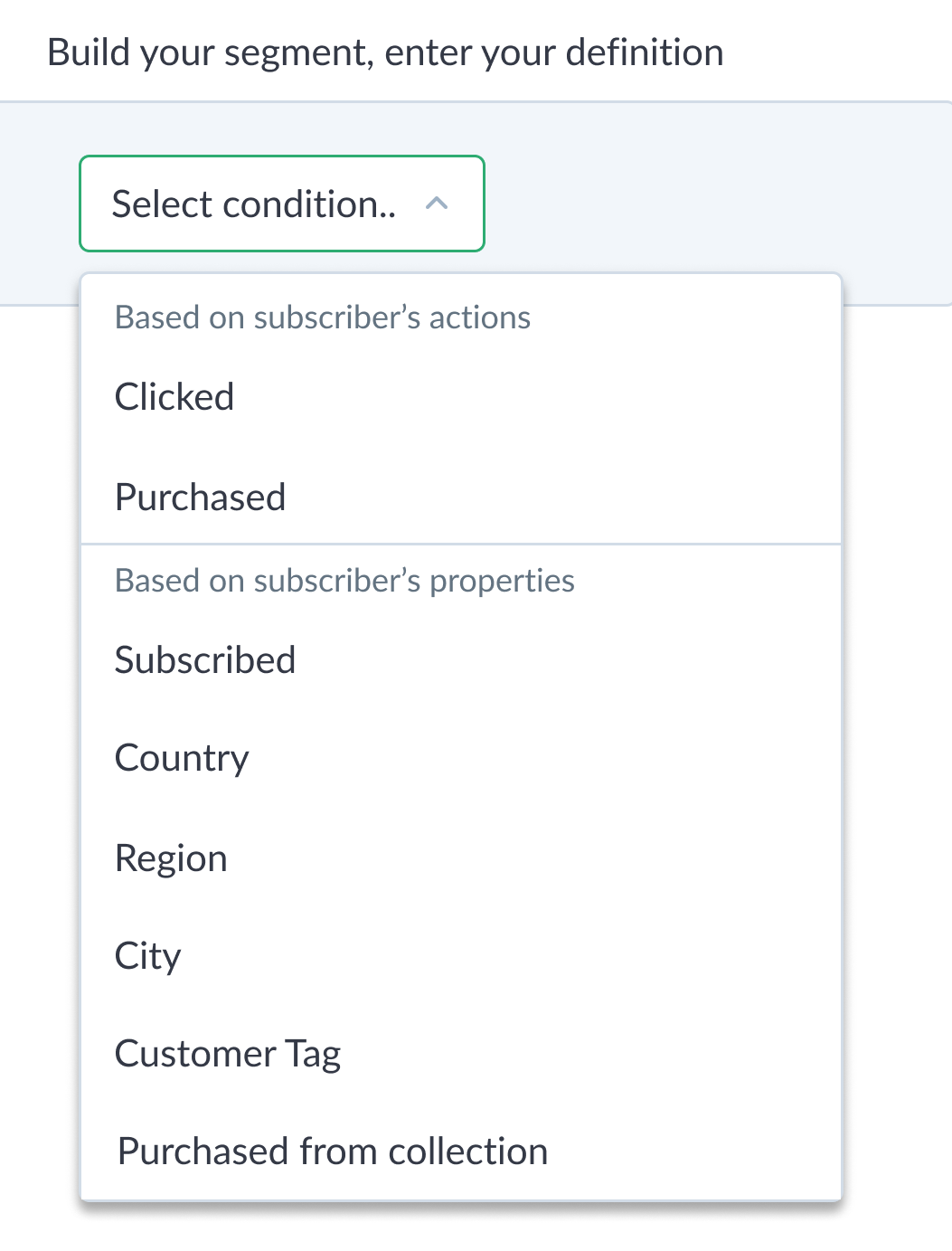
You can segment based on:
- Lifecycle stage
- Purchase frequency (first-timers vs. loyal customers)
- Channel preference
- Engagement
- Product affinity
- Browsing history
- Purchasing habits
Market Segmentation vs. Customer Segmentation
Given that the different types of market segmentation and customer segmentation overlap, your next question would be: how is market segmentation different from customer segmentation?
The difference lies in who you are dividing.
Market segmentation looks at the entire market, including people who have never heard of you, never interacted with you, and may never convert. You are mapping the broader landscape; your potential demand.
Customer segmentation focuses on people already in your ecosystem, such as your past buyers, existing customers, active subscribers on your email list, or anyone who has shared their contact information with you. You are refining segments among the audience you already have a relationship with.
Here is a simple illustration to differentiate between market segmentation and customer segmentation:
- Market segment: A skincare brand defines a “dry-climate market segment” (e.g., regions with harsh winters). This segment includes everyone living in that region: people who buy their products, people who purchase competitors’ products, and people who don’t buy skincare at all. The focus is on the entire landscape, not on the brand’s own customers.
- Customer segmentation: Within that same skincare brand’s existing buyers, the company segments customers who purchased heavy moisturizers in the last 6 months. The focus is on people the brand already has access to, not the entire market.
9 Market Segmentation Examples From Real Brands
Shopify brands have used various market segmentation strategies to carve out a niche in the industry. Successful product positioning and marketing have made these brands (which have also featured on Shark Tank) stand out in the following way:
Example 1: Demographic Segmentation - Lila (Laborwear)
Type of market segment: Demographic segmentation (Gender + life stage)
Specific market segment: Women in labor
While maternity wear is a popular niche, Lila’s founder, Caitlyn Shollmeier, took it a step further after discovering how uncomfortable hospital gowns are for women in labour.
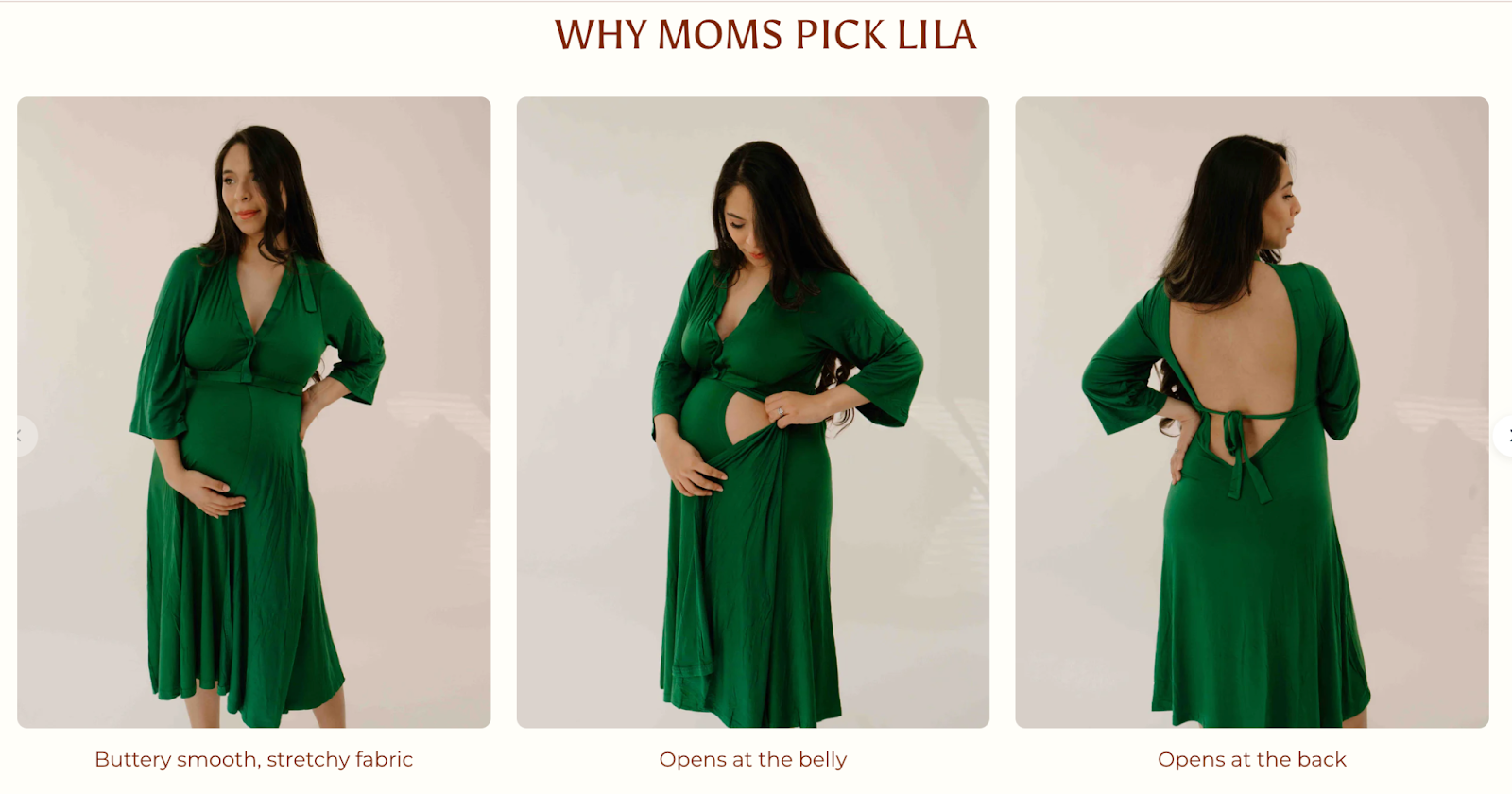
Why this market segment works: The founder had prior experience in the maternity care sector, first as a medic and then as a delivery nurse. She identified a market gap: women in labor were using uncomfortable hospital-issued gowns.
This segment has a short but extremely high-intent window with specific requirements (access points for medical equipment, coverage, mobility, and comfort). By building a product for this microsegment, Lila filled a gap that maternity-wear brands were not addressing.
Example 2: Demographic Segmentation - The DadWare Bondaroo (T-Shirts)
Type of market segment: Demographic segmentation (Gender + life stage)
Specific market segment: Fathers with newborns
Brand founder Nick Baker was unable to engage in skin-to-skin bonding with his newborn daughter while clothed. No men’s brands were making T-shirts with a detachable front. That is where the idea for this brand developed.
The brand, now known as DadWare Kangaroo Care, introduced polo-style shirts with a velcro opening so that dads with their infants can experience skin-to-skin bonding.
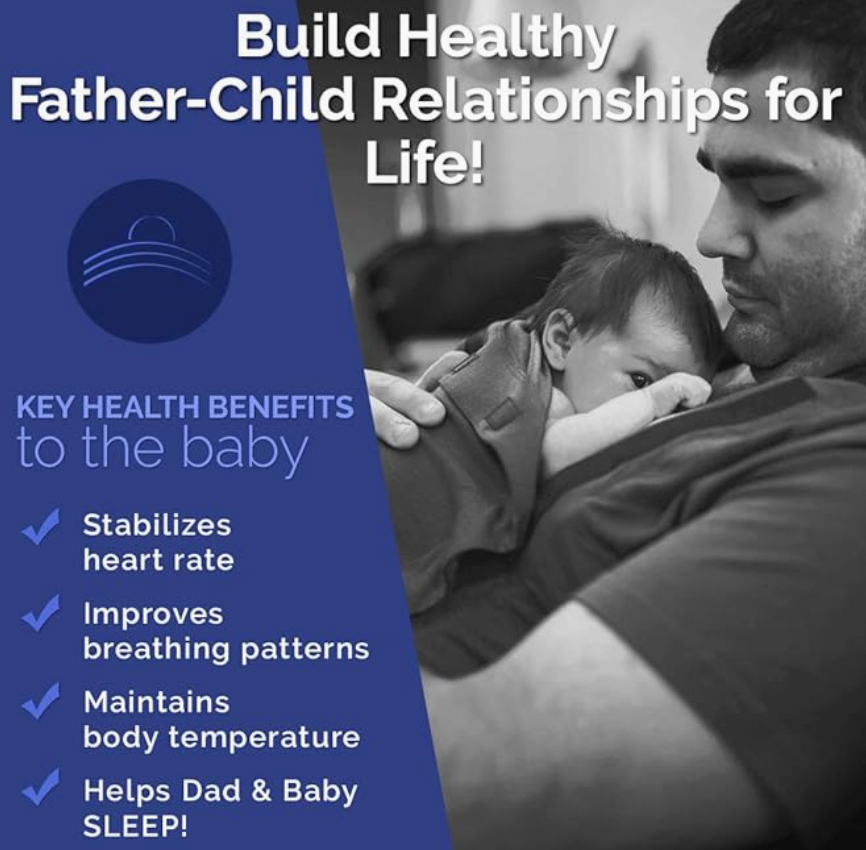
Why this market segment works: The brand caters to a specific segment of parents: men who have just become fathers and want to bond with their newborns actively. By tailoring a product especially for this niche, Bondaroo tapped into a market that other men’s brands were ignoring.
Example 3: Psychographic Segmentation - Dad Strength Brewing (Beer Brand)
Type of market segment: Psychographic segmentation (Lifestyle and preferences)
Specific market segment: Craft beer drinkers who want to enjoy beer flavor but with a low alcohol content/healthier option
Dad Strength Brewing’s founders are two fathers who wanted beer with low alcohol content so they could enjoy the fruity flavor without getting a buzz, so that they can be fully available as parents. No full-flavored beer like this existed in the market. They decided to brew their own beverage after mixing regular and non-alcoholic beer as an ad-hoc solution.
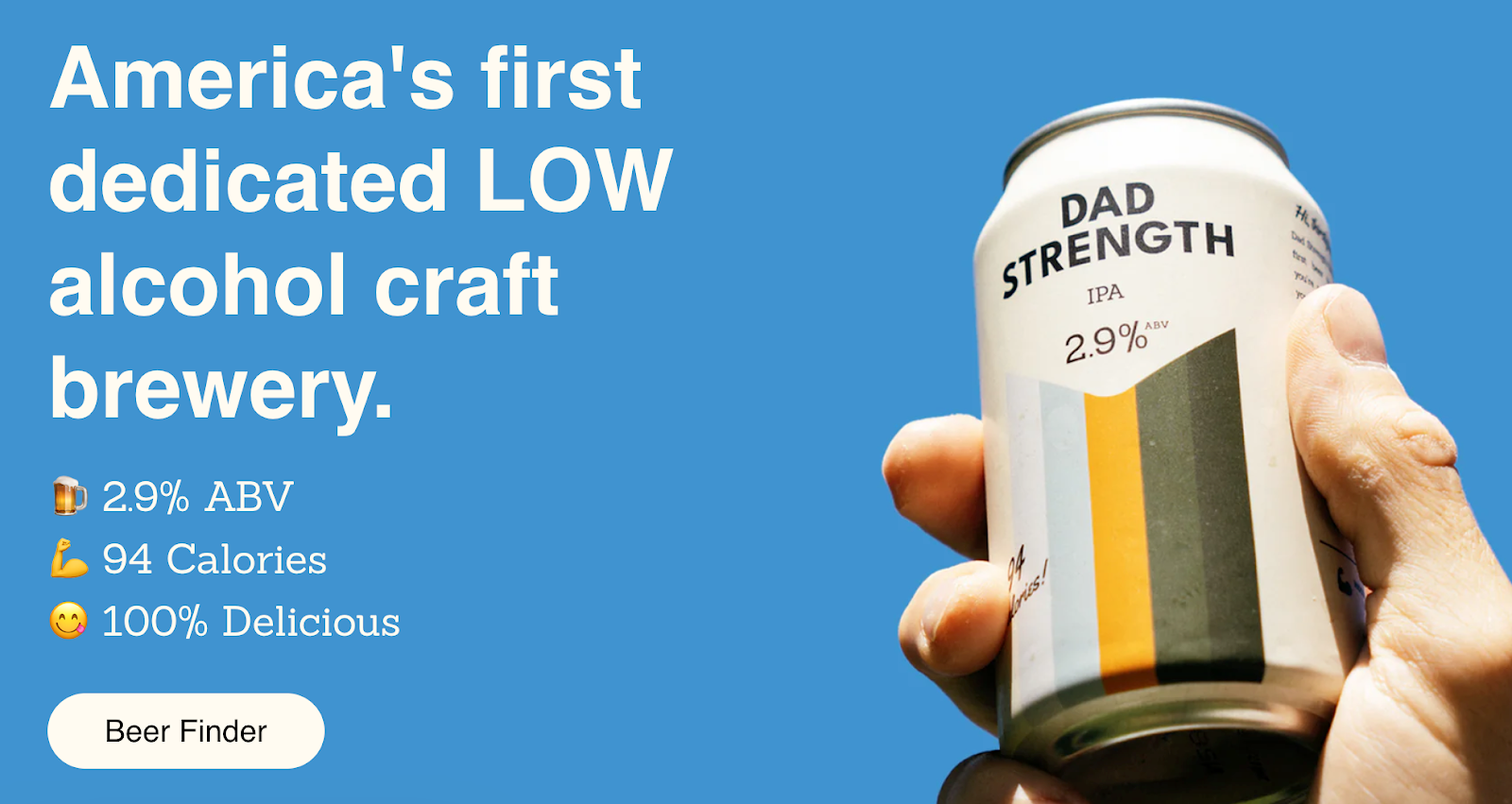
Why this market segment works: The brand recognized that many craft-beer drinkers love hop-centric flavors. Still, due to family/work responsibilities, their lifestyle no longer allows for traditional high-ABV beers.
The mid-strength IPA, therefore, targets a specific psychographic segment of drinkers. These drinkers want a reduced alcohol level with lower hangover risk because they value moderation, and do not fall under the target audience of conventional beer brands.
Example 4: Demographic Segmentation + Need-Based Segmentation - Esai AI College Admission Advisor (AI Platform)
Type of market segment: Demographic segmentation (age) + need-based segmentation (price-sensitive)
Specific market segment: Fresh high school students and college-bound students who need help with college admissions and lack access to affordable counselors/advisors
ESAI is run by Julia Dixon, a former independent college counselor who realized that only a small section of students could afford essay coaching and personalized support during the college admission process. She wanted to make this level of one-on-one guidance accessible to low-income families.
The solution? An AI platform (remember, this was 2013, so way before ChatGPT) that helps with college essays and other parts of the application process.
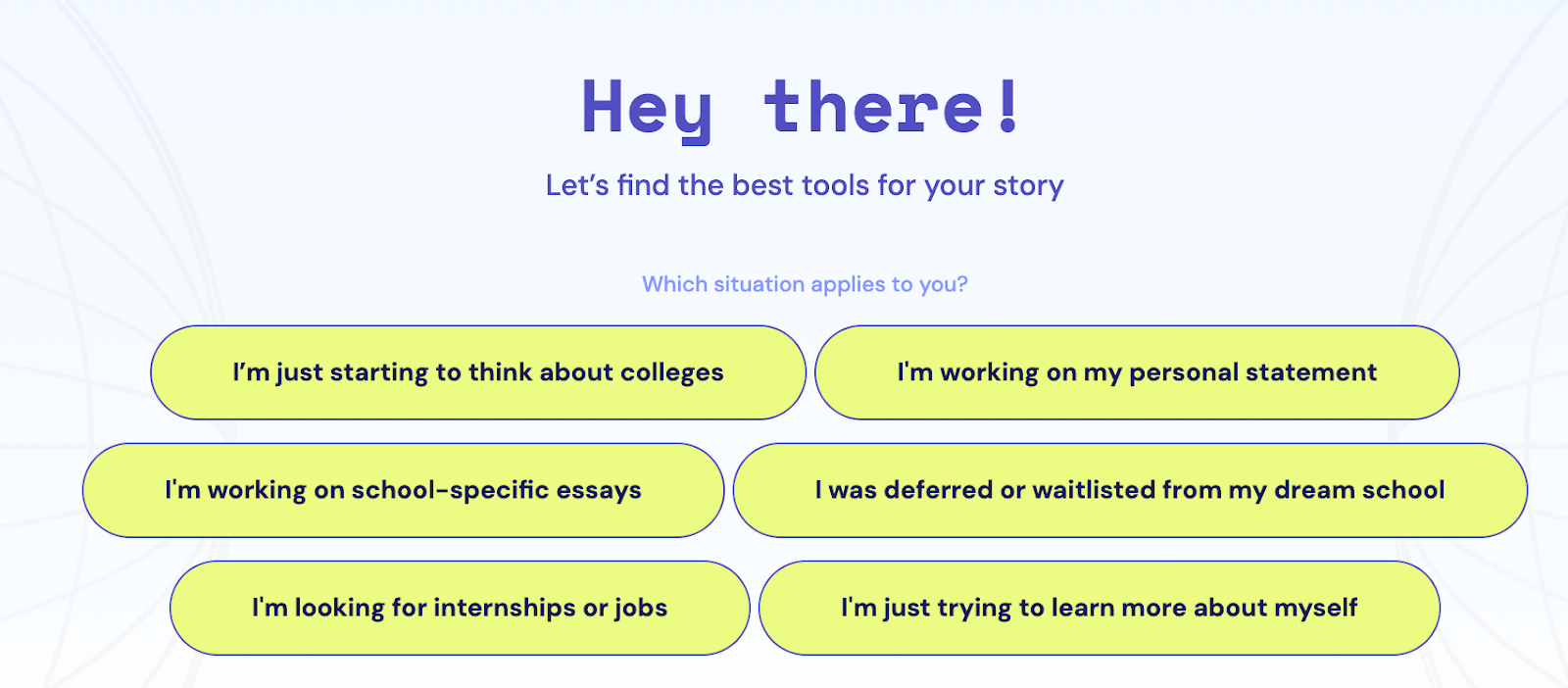
Why this market segment works: ESAI does not target all students; the specific segment includes students applying to college who are seeking structured support at a low cost. It recognized that traditional admission guidance services were too expensive for some families and offered an affordable alternative.
The brand’s messaging, which focused on providing high-quality admissions assistance without charging an arm and a leg, resonated with financially conscious students.
Example 5: Psychographic Segmentation - Hiccup Earth (Environmentally-Friendly Usable Cups)
Type of market segment: Psychographic segmentation (Interests + Values)
Specific market segment: Runners/marathon organizers who want an eco-friendly alternative to disposable cups used in marathons to reduce waste without compromising on quick water access and budget
As a marathon veteran, Kristina Smithe, the founder of Hiccup, was appalled to discover the amount of waste generated by single-use plastic cups at running events.
Non-disposable cups on the market were not a viable alternative, as they were not easy to carry during runs or to wash on a large scale. Eco-friendly options (bamboo cups) were too costly for large-scale usage in running events.
That is where the idea for Hiccup was born.
It would deliver these cups to events and pick them up post the event for cleaning with a patented washer.
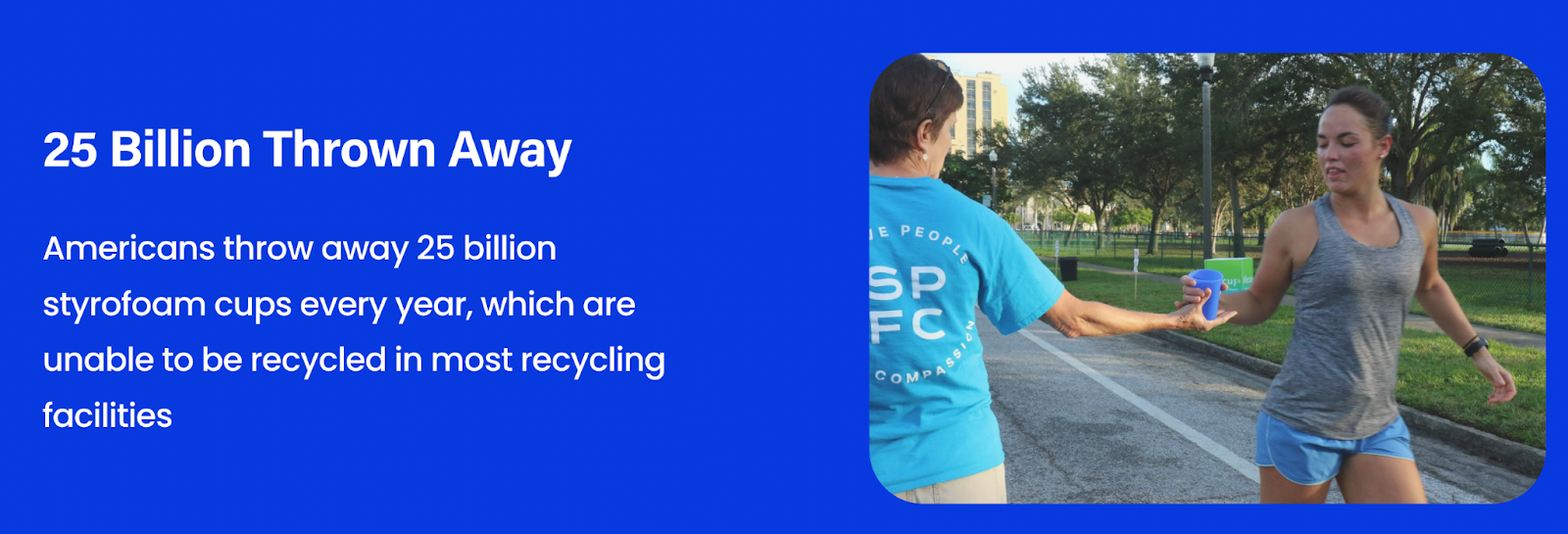
Why this market segment works: The brand recognized two groups that needed a common solution: runners who care about sustainability and feel conflicted about creating waste during runs, along with organizers who want to reduce their event’s environmental footprint but are constrained by cost, hygiene, and cleaning logistics.
This intersection of eco-conscious participants + sustainability-oriented organizers created a micro-segment that traditional water-station organizers ignore. Hiccup tapped into this niche by prioritizing environmental responsibility and practicality.
Example 6: Psychographic Segmentation + Need-Based Segmentation - Apolla (Sock Brand)
Type of market segment: Psychographic segmentation (Hobbies) + need-based segmentation (health issues)
Specific market segment: Dancers prone to foot injuries
Two dancers founded Apolla after recognizing that the dance community was in dire need of dance footwear that would support foot muscles during intense routines. One of the founders, Kaycee Jones, was a personal trainer with a master’s degree in kinesiology and had the medical expertise to develop a solution.
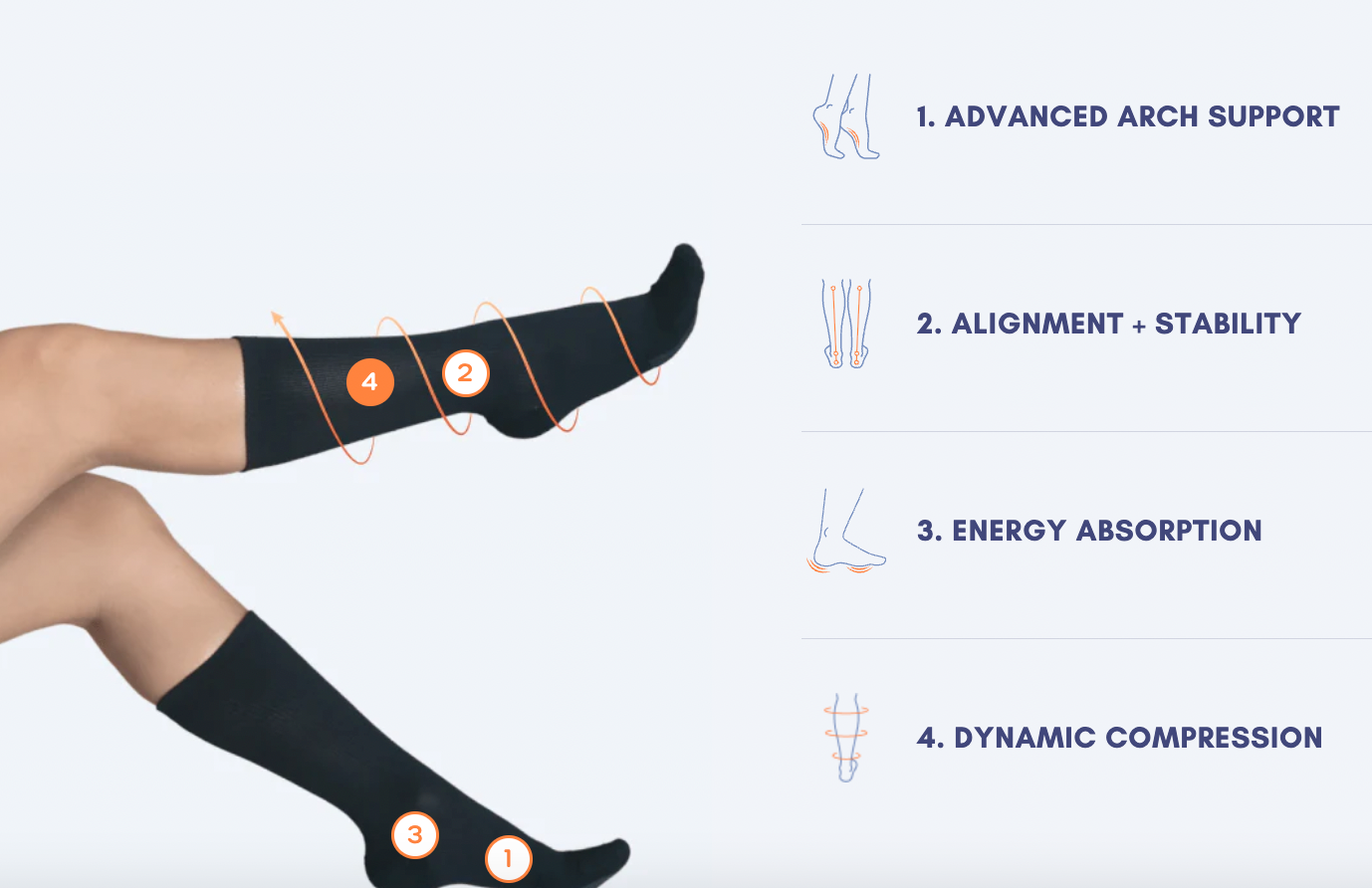
Why this market segment works: The brand identified a lack of functional footwear for dancers and addressed this need by offering socks to help prevent injuries. Traditional athletic socks target athletes but not dancers' specialized needs, allowing the brand to connect strongly with this specific niche.
Example 7: Demographic Segmentation + Need-Based Segmentation - PMS Bites (Vegan Snacks)
Type of market segment: Demographic segmentation (gender) + need-based segmentation (health-based)
Specific market segment: Menstruating persons with PMS
PMS Bites identified a nutritional gap for people with PMS. Traditional snacks do not account for sensitivity to processed sugar and gluten, which is a symptom of PMS. The brand offered an alternate solution to address these specific needs. The snacks contained herbs that help with PMS symptoms.
Some additional context: This brand was founded in 2017, when there was very little understanding of PMS from a nutritional perspective in the e-commerce space. Since then, multiple brands have identified this segment. Though PMS Bites is not in business, it was one of the earliest identifiers of this market segment.
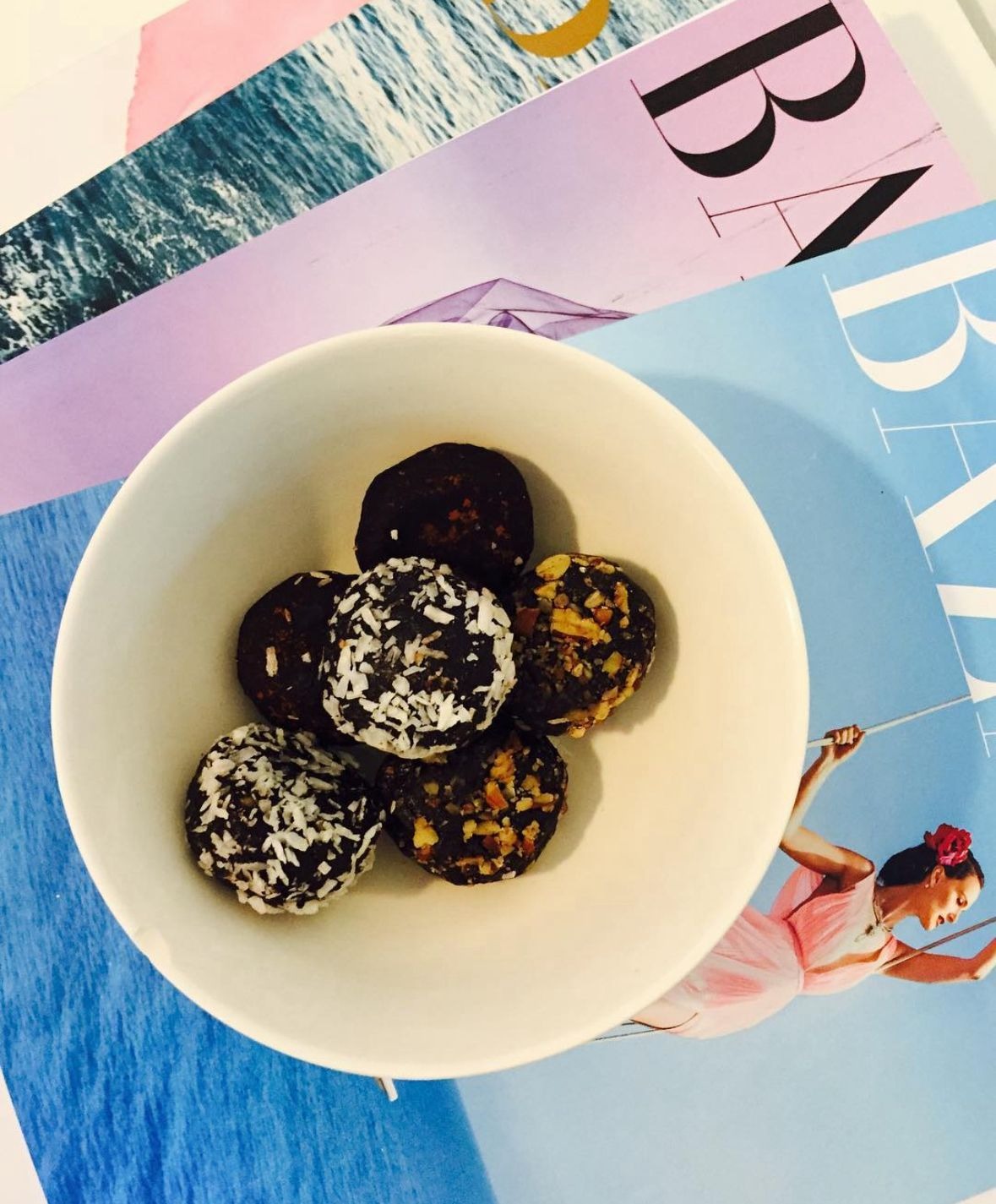
Why this market segment works: The brand tapped into an overlooked target audience (those who want to manage PMS symptoms without giving up dessert). Mainstream snacks were not healthy options. By recognizing this niche health need, the brand created a distinct market segment in need of solutions.
Example 8: Demographic Segmentation + Needs-Based Segmentation - Young King Hair Care (Haircare Products)
Type of market segment: Demographic segmentation (gender + ethnicity) + need-based segmentation (feature-seeking customers)
Specific market segment: Boys and young men of color with textured and coily hair
The founders of Young King Hair Care are parents of a baby boy with thick curly hair. The natural haircare market for boys and men lacked a suitable product for their sons’ hair type (African-american hair has specific, tight curls that traditional haircare brands do not cater to).
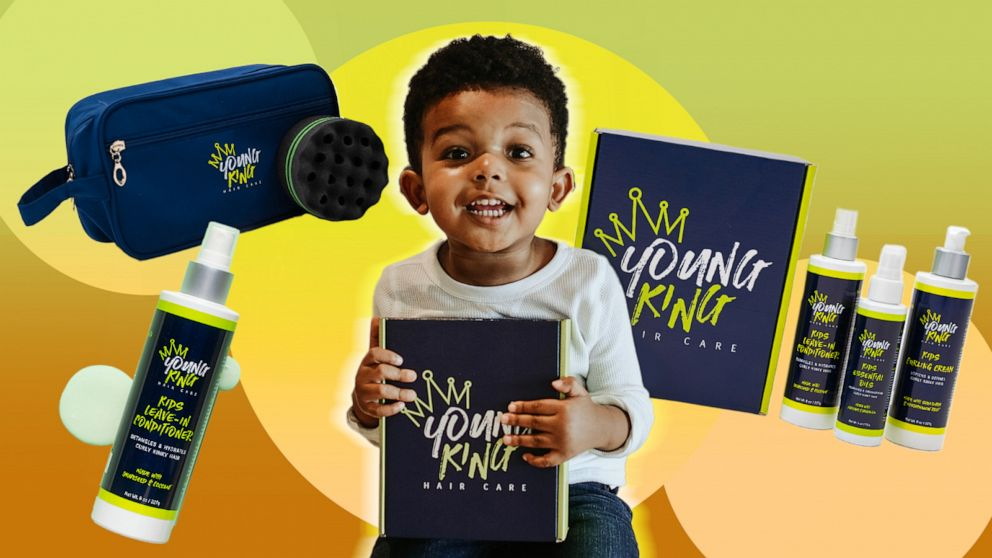
Why this market segment works: African haircare has a rich cultural history of using specific ingredients and styling practices, and is a segment of its own. The brand has identified this market segment and designed its products to meet the specific needs of this target audience.
Example 9: Demographic Segmentation + Needs-Based Segmentation - Pashion Footwear (Women’s Footwear)
Type of market segment: Demographic segmentation (gender + age) + need-based segmentation (feature-seeking) + Psychographic segmentation (Preferences/lifestyle)
Specific market segment: Young women who want the comfort of flats and the style associated with heels for all-day wear
The brand founder, Haley Pavon, got the idea for the brand when she was on a date and, after a few hours, her feet started hurting from wearing heels. She wanted to create multi-purpose footwear that would combine fashion and comfort. She developed a convertible heel that you can adjust based on your needs.
Why this market segment works: Footwear brands recognized this dual need among women as a way to offer different kinds of shoes. Pashion Footwear treated this as an opportunity to innovate by treating this dual need as a specific market segment.
How Should You Define Your Market Segments?
Here is a simple and repeatable blueprint to help you narrow down the market segments that actually matter for your brand:
- Step 1: Identify the inconvenience or unmet need that your product addresses. Make this as narrow as possible. For example, answer the following as a skincare brand: Which skin issue? For which skin type? With which limitations? This line of reasoning will help you identify a market segment, such as “people with sensitive skin who are allergic to fragrances,” rather than “women aged 25-40.” This will help you define your market segment.
- Step 2: Look for groups where the problem appears more frequently or creates more emotional/financial friction. This will help you validate your segment and identify early adopters.
- Step 3: Layer in additional segmentation to further refine the market segment. You can add filters for age, life stage, region, values, beliefs, routines, and more.
- Step 4: Pressure-test your segment with some good old data collection. Check market size, the competitive landscape, and demand signals before you anchor your brand to a segment that may not even be commercially viable.
- Step 5: A segment is worth focusing on if your product, pricing, and messaging can meet customer expectations. Just because a segment exists does not mean you may be the right brand to cater to it. So check whether your e-commerce shop can support what they need.
Once you cross Step 5, you can start building a strong product strategy and adopt early marketing initiatives. Do it across channels, and you have a strong omnichannel strategy in place that targets your customer not just through specific messaging but also across different mediums.
Smash Your Business Goals in 2026 With a Market Segmentation Strategy
If you want to launch a new product, add a layer of market segmentation to gain a structural and competitive advantage. It is easier to engage customers when your targeting is niche, rather than generic classifications of gender or location. PushOwl helps you identify these segments so that you can roll out your marketing plan accordingly.