
Introduction
The fashion industry has to deal with different challenges, where shoppers change their preferences as per changing trends, and that's why the customer journey is always non-linear. The visitors to your store may discover your products on social media, browse your online store, and then leave without buying, thus leading to lost sales for your Shopify store. To grow and scale your business, you need a clear plan to attract the right audience, convert, and then keep your customers. In this blog post, we will outline 18 practical fashion ecommerce marketing strategies to help your fashion store generate more revenue and build a loyal customer base.
Understanding the Runway Revenue: 18 Fashion Strategies For Your Store
Since the preferences, trends, and customer strategies are always changing in the fashion ecommerce industry, you need to follow a systematic approach to manage your business efficiently and make profits. We have categorized 18 important marketing strategies into four main areas that cover the complete customer journey. These foundations will help you in creating a unified system for your store to draw in visitors, make sales, and encourage loyalty towards your brand over the years.
In this blog, we will see different pillars or strategies for your store, where the first pillar emphasizes on discovery and conversion. Visual search and optimizing product pages are important, helping customers find and confidently buy the items they want.
The second pillar is about building authenticity and community, and the strategies here use influencer partnerships and user-generated content to create trust and inspire larger purchases through your store.
Next comes the third pillar, which is about retention and communication, and mainly involves using email marketing and SMS marketing flows and techniques to better maintain engagement and encourage repeat business for you.
The fourth and final pillar is measurement, so using and maintaining a clear analytics checklist makes sure you track the right data to refine all your efforts to show their return on your investment.
Visual Search & PDP Optimization: Capturing Intent and Sealing the Deal
Your product pages are where shoppers make a decision to buy from your store. So to increase sales, you need to help customers find the products easily and give them all the information they need to feel confident to make that purchase. This section covers how to use visual search and optimize your product detail pages.
Why Visual Search Matters for Fashion
It is very common nowadays that many shoppers start their search with a picture. They might see an outfit on social media and want to find something similar. Here, the visual search technology lets a customer upload an image to find matching items in your store.
This tool meets a customer's immediate need, capturing their interest at the right moment. It helps you attract visitors who are ready to buy but may not know your product names or keywords to search for. Integrating this feature makes your store easier to use and can bring in more sales from high-intent shoppers.
How to Optimize Your Product Pages
After a customer finds a product, your product page must convince them to purchase the product they found from your store. Here are the some main elements to include, to achieve that.
1. Use High-Quality Images and Videos
Using highly clear visuals is the most important part of a fashion product page.
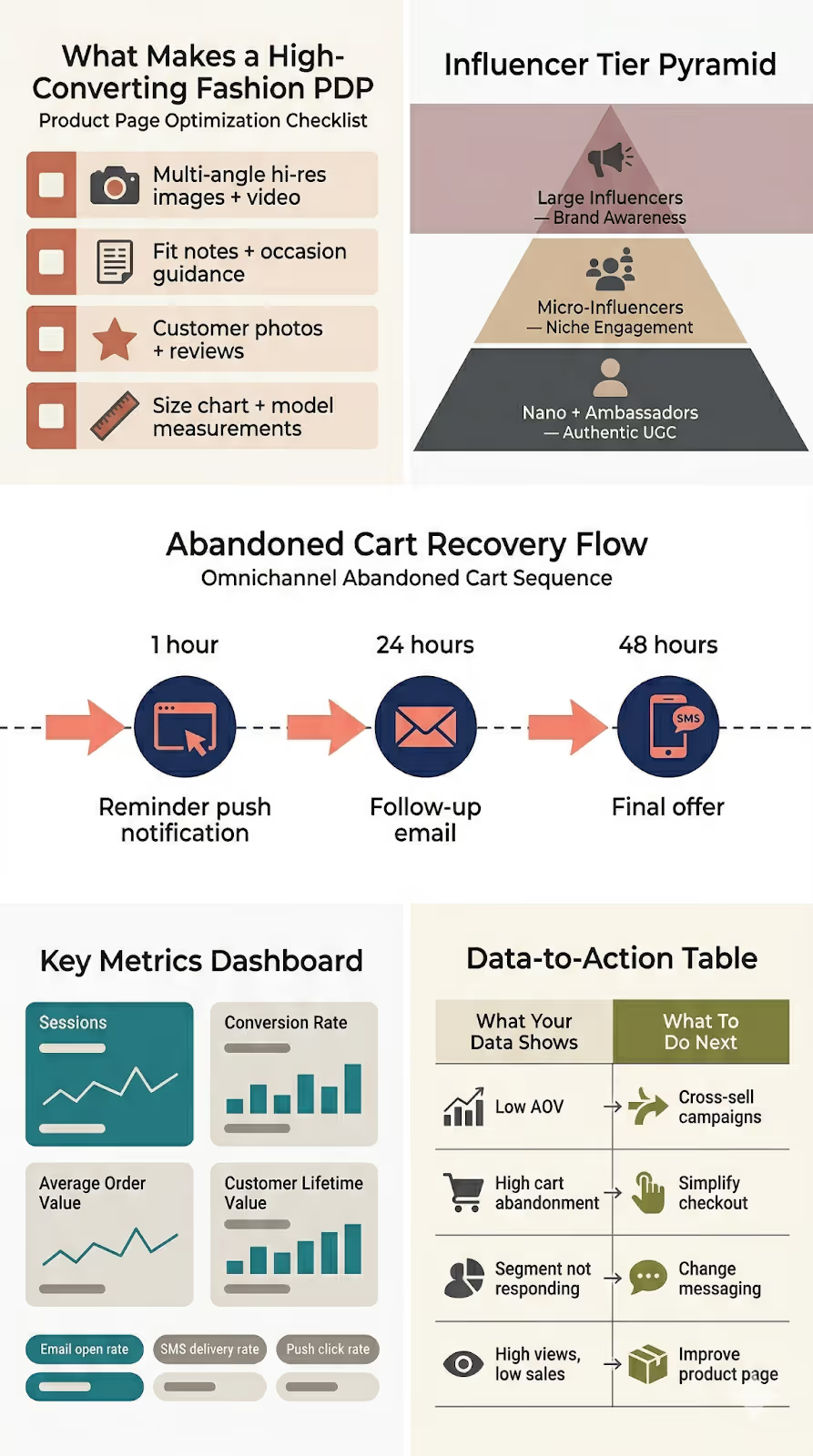
- You need to provide multiple high-resolution photos from different angles of the product.
- You can show the product on different models and in real-life settings for customers to imagine and relate to it immediately.
- You can include a short video to show how the fabric moves and how the item fits etc.
2. Write Clear and Helpful Product Descriptions
Your description should answer the customer's questions and provide all the required details that the customer may be looking for.
- Here, you need to go beyond basic material facts, and describe how the item feels to wear.
- You can choose to explain what occasions the product is suitable for.
- It is best to give clear advice on how it should fit.
3. Show Customer Photos and Reviews
Shoppers usually quickly trust other customers, so displaying user-generated content directly on your product page helps build trust.
- It shows how the product looks on different body types in real light and real life.
- It directly addresses common questions about quality, color, and fit if your customers may have.
- This acts as a social proof and can reduce any kind of hesitation and lead to more conversions.
4. Provide Accurate Size and Fit Information
When it comes to cart abandonment and returns in fashion, usually, uncertainty about size is a major reason in the minds of customers.
- You need to create and add an easy-to-use size chart for each product.
- It is best to add specific fit notes, like runs large or true to size, which can give a clear idea when purchasing particular styles or products.
- Include the model's height and the size they are wearing in photos, so your customers can check how the piece might fit their body, in terms of length or fit.
Using AR for Virtual Try-Ons
When customers shop online for apparel and clothing, a key barrier that they may face is not knowing how an item will look on them. And augmented Reality or try-on tools can easily help solve this problem.
- The technology of AR allows your customers to see how glasses, jewelry, or makeup will look on their own face using just their smartphone camera.
- For clothing, there are some advanced tools that can help simulate how a garment drapes, etc.
- This technology increases customer confidence about your products, which can lead to higher conversion rates and fewer returns on your store.
Here, you can consider starting with accessories or high-value items, and clearly label products with this feature using a Try It On button.
Creating a Smooth Shopping Experience for Your Customers
The objective here is to easily connect finding and buying without any hassle for your customers and store visitors. A customer might find a dress through visual search, and then land on a product page with excellent photos, a helpful video, and reviews from other shoppers. They then use the size guide and feel ready to buy.
At this point, your marketing automation can provide a useful and quick prompt. For instance, if the customer leaves the page, an automated browser push notification can remind them about the item later. This reminder can bring them back to finalize the purchase.
By improving both discovery and product pages for your store, it helps attract interest and convert it into sales. In the following section, we will explore how to create brand trust and community using influencers and customer content.
Influencer & UGC Campaigns For Building An Authentic Community
For any brand, especially if they are just starting out, or even for that matter, for established brands, customers often trust recommendations from other people more than standard ads. That's why working with influencers and sharing content from your customers is an effective way to build trust and grow your brand. This approach provides social proof that can lead to more sales as you are immediately gaining the trust of new or returning customers.
How to Build an Influencer Program
To be able to build a successful and well running program, the influencer marketing strategy should be planned and organized. Instead of one-time collaborations, you can consider building a program with different types of partners.
You can work with influencers at different levels:
- Large influencers who can help with broad awareness for big launches.
- Micro-influencers, those who have thousands of followers, often have a highly engaged audience in a specific niche. This way, they can provide good value through authentic posts.
- Nano-influencers and brand ambassadors are everyday customers who love your brand and can create some very genuine user-generated content, or UGC, that feels very real to other shoppers of your audience.
Remember, the goal here is to mainly build real relationships, so make sure to provide clear guidelines, but you need to allow influencers the creative freedom to share their honest experience with your products or brand.
How to Get and Use Customer Content
The content that is received from your customers is very powerful, impactful, and helps build a connection with your audience, because it shows real people using your products.
1. Encourage Customers to Share Photos
You need to actively ask for this content.
- You can create a simple, unique branded hashtag for your customers to use.
- You can plan and run a few photo contests or give small rewards for the best customer photos shared each month.
- It is best to always ask for and receive permission before you republish a customer's photo on your own channels to avoid any privacy issues.
2. Feature Customer Content Everywhere
You can easily use this content and share to other platforms and channels to grow your audience the right way. Do not let this content get lost on social media, but use it in your marketing. By efficiently using a platform that helps you find and manage rights for this content, you can save time.
- Try and add a gallery of customer photos to your product pages, which directly helps other shoppers make a decision.
- You can share selected customer posts on your brand's social media accounts to show real connections, as well as motivate your audience.
- You can choose to include customer photos in your email newsletters and promotional campaigns to show your audience the real shoppers and their stories.
Creating Styling Guides and Lookbooks
When it comes to fashion, accessories, etc., your customers often buy complete outfits, not just single items. So here, you can guide them and increase your average order value by suggesting easy to follow and create lookbooks, styling guides, etc. for them.
- Easy to recreate, styling guides show different ways to wear a product. For example, you can create a blog post or video titled 3 Ways to Style Our Denim Jacket.
- A new way, like creating digital lookbooks, can help you present full outfits from your collection. This will help customers visualize how different pieces work together and can be styled as per their preferences.
You should link to these guides from your product pages and in follow-up emails. This provides high value to your audience, customers, and subscribers and encourages them to add more items to their cart.
Case Example: How a Unified Strategy Increased Sales
Let us see a case example of a modern womenswear brand that used these strategies after moving their tools to a single marketing platform. Where initially, they faced a common problem, their email, SMS, and push notification tools did not work together.
The action taken: After the migration, they used unified customer data, and then easily identified customers who had bought a top but never a bottom. They then set up an automated, cross-channel campaign, where:
The customer received an email marketing campaign with a styling guide on Perfect Pairs for Your New Blouse. Later, they received a targeted browser push notification that featured a matching skirt when they were most active online.
The result achieved: The brand saw an immediate increase of nearly 22% in their AOV, which also led to better engagement with their audience and more sales. This was possible by using integrated data to send the right message, on the right channel, at the right time.
Connecting Your Community for Retention
The trust you build through influencers and the customer content can help you create a community. But the important and next steps include, keeping those community members engaged over time. This leads to another important area, which is using email and SMS marketing for direct communication and encouraging repeat purchases. Remember, having a simple and single platform makes it simple to segment customers who interact with influencer content or provide UGC, allowing for more customized follow-up messages.
How Styling Guides and Lookbooks Help Sell More
When you provide styling guides and lookbooks on your store, it shows your customers how to combine your products. They help sell complete outfits instead of single items, which can increase your average order value.
- You can create Get the Look pages on your website that will feature full outfits from your collection for your customers to choose different pieces from, and create a bold unique look of their own.
- You can also develop simple blog posts or videos, like How to Wear This Skirt to Work and onWeekends, providing value to your audience and showcase your products.
- You can then link to these guides from your product pages and in your email marketing campaigns. For example, include a link in an abandoned cart email for a top, suggesting a matching bottom.
This approach provides your customers with useful ideas and naturally promotes complementary products from your store.
Example: Using a Unified Platform for Styling Guides
After moving from various tools to a unified marketing platform, a women's wear brand identified customers who bought tops but not bottoms. They sent an automated email with a styling guide and then a targeted push notification for a skirt. They used the data they got about customer behavior, and with this cross-channel approach, they could effectively increase their average order value by 22%.
Email/SMS & Retention: Mastering Personalized Communication
In this business, it is much easier and cost effective for brands to keep existing customers instead of finding new ones. And how you can achieve this is by using email marketing and SMS marketing, which are direct ways to talk to people who already know your brand. With this, you can easily help turn a first-time buyer into a repeat customer.
Growing and Organizing Your Contact Lists
First, you need to build a list of your subscribers that you can contact. Then do the following steps.
1. List Growth
- You can grow your list by offering value in exchange for the contact information of customers who may be interested in your products and what you offer.
- You can make use of sign-up forms or pop-ups on your website, and offer a style guide, early sale access, or a small discount for new subscribers.
- Here, make sure the offer is relevant to fashion shoppers to attract the right audience.
2. Audience Segmentation
The only thing to understand is that sending the same message to every subscriber is not effective. So you need to segment your audience, which means dividing your audience into smaller groups based on their actions.
You can create different segments for new subscribers, recent buyers, or customers who have not purchased in a while. A platform like PushOwl provides you with some advanced segmentation options. This way, you can target customers according to the specific products they have looked at or purchased. This helps you send messages that are more relevant and personalized, making it more likely for people to engage or respond to.
Setting Up Key Automated Messages
With automation, you can send the right message at the right time without requiring any manual work every day. Here are some examples of automated flows for a fashion store.
1. Welcome Series
This is a set of emails that are sent automatically when someone joins your list. Here, you can introduce your brand’s story and highlight your popular products. This series helps you set the tone for your relationship with the new subscriber, especially with the welcome email.
2. Abandoned Cart and Browse Recovery
There can be many shoppers who leave items in their cart or browse without buying from your store. Here, you can set up automated emails or push notifications to remind them about the items they viewed or left behind in their cart. These gentle reminders to specific customers can help you to recover lost sales, especially when sent soon after the customer leaves the page or website.
3. Post-Purchase Communication
The communication sent to your customers, after a purchase is very important for satisfaction. This includes messages where you send orders and shipping confirmations. SMS messages are excellent for timely delivery updates. Once the item arrives, you can also send a message asking for a review or showing how to style the new purchase.
4. Win-Back Campaigns
To efficiently be able to re-engage your customers who have not made a purchase in a long time. So here, you can send a special offer or a simple we miss you message along with some top products or suggestions to bring them back to your store.
Creating Seasonal Automated Campaigns
In the fashion industry, where different fashion trends change with the seasons, your marketing automation should also reflect and change as per the need and different requirements for your brand.
Before a Launch: You should build excitement before launching a new collection on your store. For this, you can use email and SMS to share behind-the-scenes content or offer early access to subscribers.
During Important Sales: Here, you can efficiently automate campaigns for events like Black Friday or other important seasonal sales. You need to tailor the product recommendations based on what the customer bought in previous similar seasons, and their preferences to make a better impact.
Reminders for Replenishment: For basic items like t-shirts or socks, you can set up automated emails reminding customers to repurchase after a few months or check out other similar products that they may like to consider for purchase.
The Benefit of Having a Unified Omnichannel Approach
The most effective strategy for you to implement for your store should use different channels together in a coordinated way, which is omnichannel marketing.
For example, if a customer abandons his cart, you can send out a browser push notification one hour later. Then ty could get a follow-up email the next day, and then might get a final SMS offer two days after that.
These messages maintain a consistent timing and branding, so choosing an integrated platform takes care of this sequence automatically. It makes sure that messages are beneficial, not too much, boosting your customer retention efforts. Using email and SMS in this structured way helps you build stronger, longer-lasting relationships with your customers.
Analytics Checklist For Tracking Your Performance
To improve your store, you need to track the right information, and the data can tell you what is working and what needs to change. This checklist covers the main metrics for a fashion store and how to use them.
The Main Metrics to Track
These are some of the most important metrics that you can track of your store and check the performance.
1. Basic Store Performance
Consider these numbers that can give you a general view of your sales, which include the following.
- Sessions: This is the number of visits to your store.
- Conversion Rate: It is the percentage of visitors who make a purchase.
- Revenue: This shows your total sales income.
2. Customer Value Metrics
These values actually show how much customers are worth to your business. Here you need to consider these:
- Average Order Value: This is equal to the average amount that is spent each time a customer places an order.
- Customer Lifetime Value: This shows the total revenue you can expect from a single customer over time.
3. Marketing Channel Performance
With these statistics, you can easily check how well your individual marketing channels are doing. These are the ones to look out for in your store.
- Email: You can track the open rates and click-through rates of the emails sent to your subscribers and customers.
- SMS: With this, you can track the delivery rates and open rates.
- Push Notifications: This is mainly to track the opt-in rates and click rates.
4. Campaign Return on Investment (ROI)
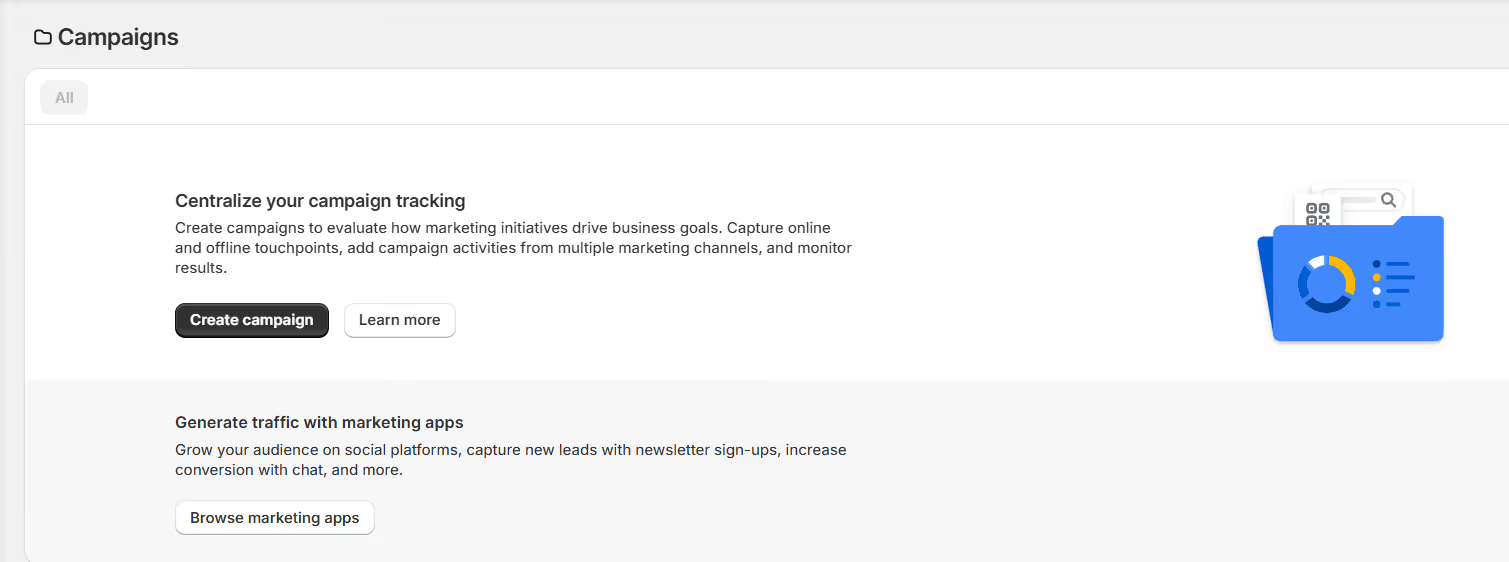
To measure the direct financial result of your marketing efforts, you can check the return on investment of your different campaigns. Here, you can calculate the revenue generated by a specific campaign, and also determine the Return on Ad Spend for your paid campaigns.
Understanding Customer Behavior
These numbers can explain the why part of the analytics of your store numbers and statistics.
1. Product Performance
You can analyze how individual items are selling, and then easily identify your best-selling and worst-selling products. Here, look for products with many page views but few add-to-cart actions. This may show a problem with the price, photos, or description.
2. Shopping Journey Analysis
Here, you can see where customers stop in their buying process, and then you can track your cart abandonment rate, which shows how many people add to the cart but don't buy. You can track your browse abandonment rate, which shows how many view a product but don't add it to the cart. With this, you can measure how effective your abandoned cart recovery emails or notifications are.
3. Audience Insights
You can learn about different groups of customers by getting to know your audience, and then use the data to compare the behavior of new customers versus returning customers. Here you can also see how well your audience segmentation is working. For example, check if a segment of VIP customers actually spends more.
Using a Centralized Dashboard for Better Insight
When your data is spread across many tools, it is hard for you to configure, make sense of the data, and see the full picture, so that's why having a unified analytics dashboard is important.
A platform like PushOwl combines data from email marketing, SMS, and push notifications in one place for you, so you get an overall idea and view of your analytics. This lets you see a complete customer path, for example, if someone opened an email, clicked a push notification, and then made a purchase from an SMS link. This overall view is necessary to properly understand which marketing activities are driving sales for your store.
How to Act on Your Data
With the data you collect using the analytics, you need to make sense of it and use it to your advantage to make some changes and improvements for your business. Use this information below according to the situation that is shown in the analytics data you get.
By regularly checking these metrics and taking the right suitable action, you can make informed decisions to grow your store. Remember, here the purpose is to connect your data with your strategies, creating a cycle of continuous progress and improvement for your fashion ecommerce business.
Final Word
To run a successful fashion store, you need to connect various strategies, which mainly includes having excellent product pages, reliable community content, personalized messages for customers, and clear data. When all these elements work in harmony, they create a seamless shopping experience that fosters loyalty and increases sales. By having a unified tool like PushOwl, you can easily manage this by combining email, SMS, and push notifications in one place. This makes it easier to run coordinated campaigns based on your customer data, turning the strategies in this guide into consistent results for your store.