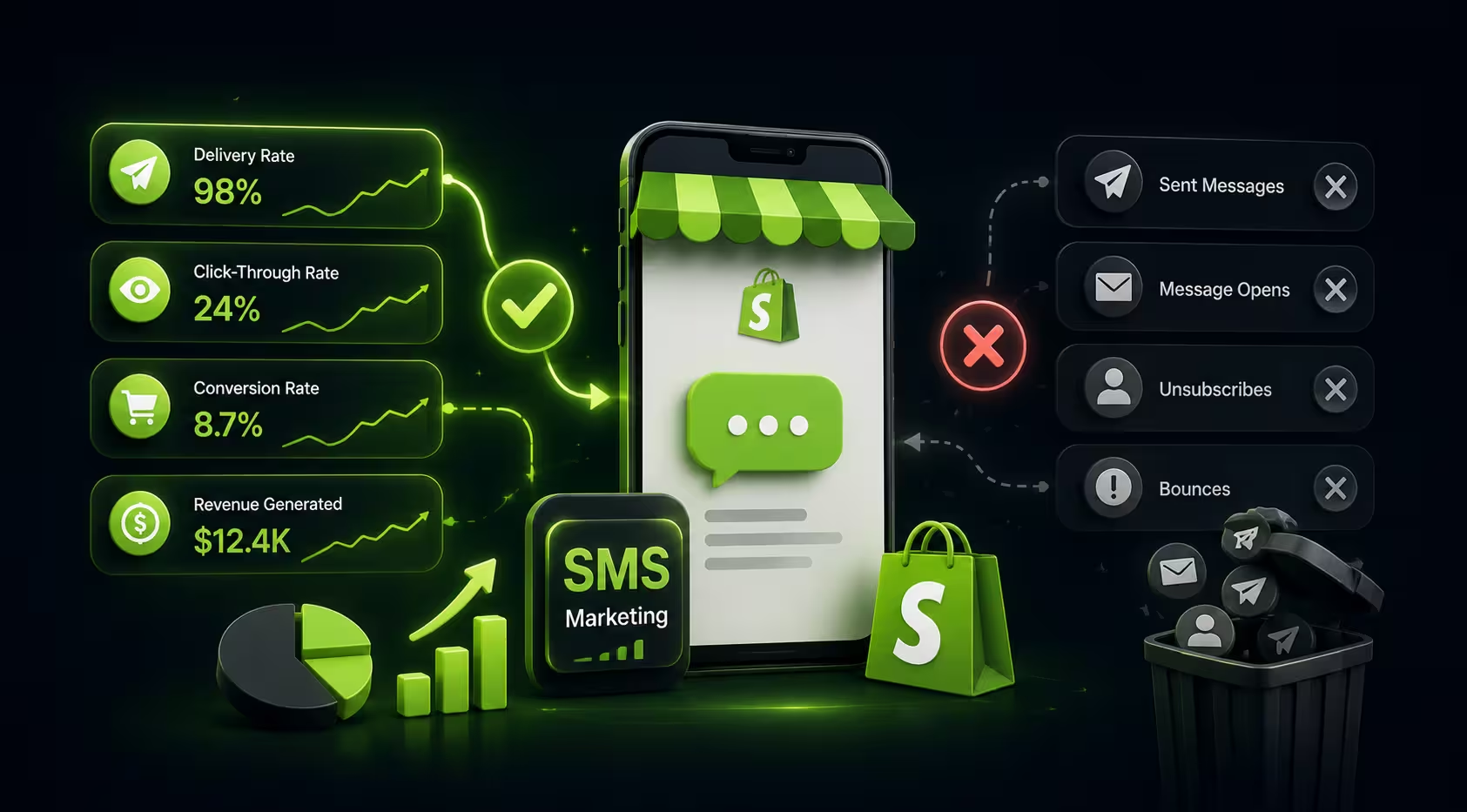
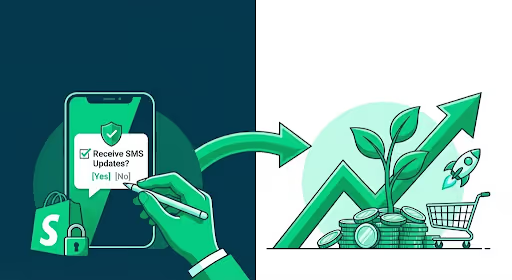
SMS is one of the best-performing channels in e-commerce. It’s instant, personal, and impossible to ignore. That is also precisely why it is one of the most regulated.
For Shopify brands, SMS success doesn’t begin with copy or automation. It starts with consent. If consent is too ambiguous, rushed, or simply not captured correctly, SMS can go from an open revenue flow to being a compliance liability in no time.
This guide breaks down what SMS consent looks like in 2026, how to collect it the right way without reducing conversions, and how to lay out compliant yet scalable SMS campaigns that customers won't resent.
What SMS Consent Really Means And Why It’s Different From Email?
SMS opt-in indicates that a customer has given explicit permission to receive text message communications from your brand.
This agreement must be intentional. It cannot be inferred, aggregated, or presumed.
SMS opt-in is unlike email. It's governed at a carrier and legal level. Email consent can not be assumed as SMS consent. When a customer gives you his or her phone number is not considered as consent. And any consent customers have provided to another brand or partner does not apply to you.
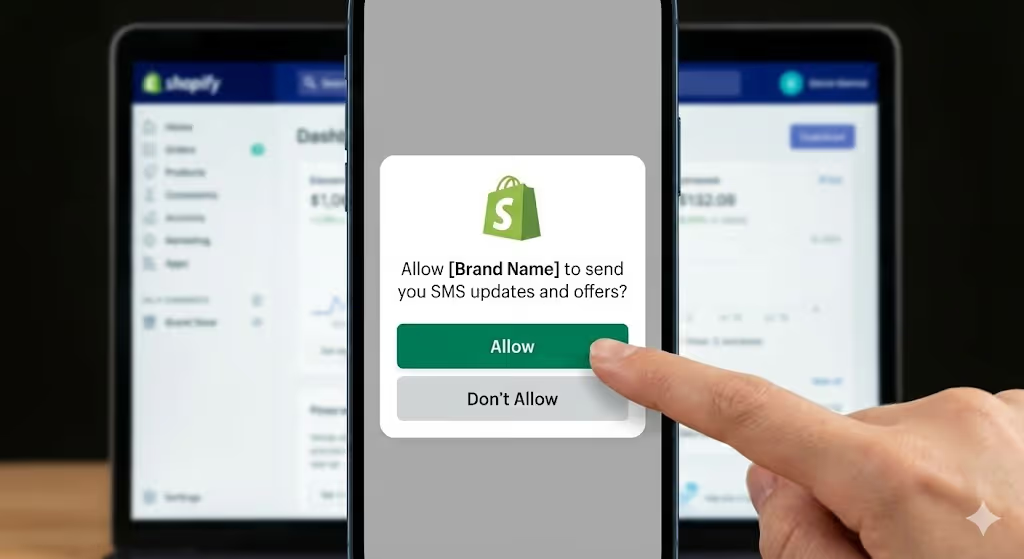
For e-commerce brands, this is critical because SMS is what we refer to as interruption-based. Both our personal and professional devices are constantly bombarded by messages, sometimes with notifications switched on. Regulators and the carriers themselves take that privilege very seriously.
If you don’t have clear, verifiable, and separate consents, then your messages will not be delivered, or worse still, could put your brand in a position for penalties.
What Counts as Valid SMS Consent (And Why It Matters for E-commerce)?
SMS marketing is incredible, but it’s also one of the most highly regulated channels. For e-commerce and Shopify brands, SMS consent is not a checkbox for later. It’s the basis of whether your messages are delivered, trusted, and blocked.
Legitimate SMS consent abides by very specific guidelines, and every brand using SMS has to be familiar with them.
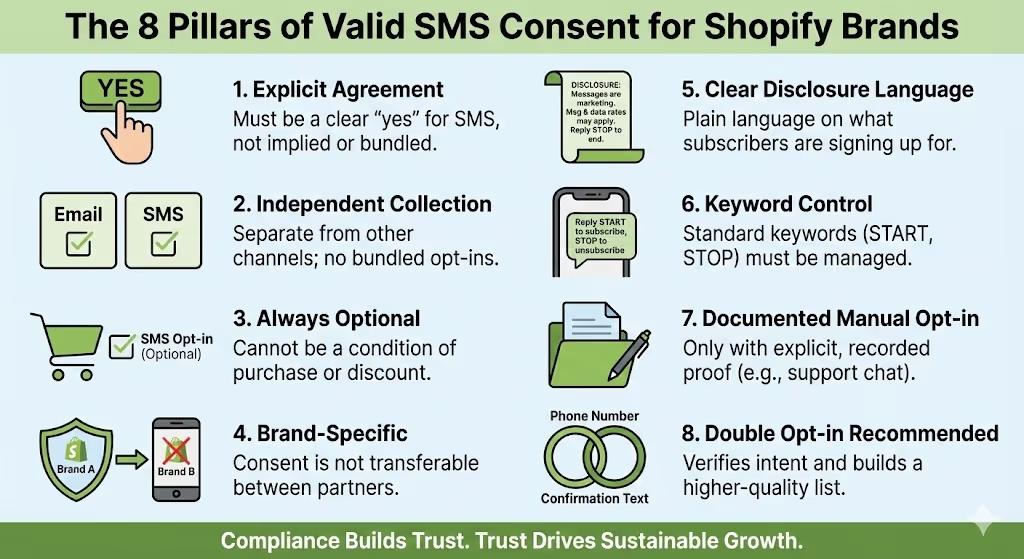
1. Explicit Agreement Is Mandatory
Opt-in consent for SMS should always be explicitly mentioned. Your customer needs to opt in for text messages from your brand. This is commonly done through a dedicated form, at checkout, or by texting a specific keyword (such as START, UNSTOP, or SUBSCRIBE) to your number.
Having a customer’s phone number, a previous conversation, an account sign-up, or an opt-in email is not considered SMS consent. SMS is treated differently because it’s more personal and intrusive. Without that explicit “yes” from the customer, you have no legal or ethical right to send marketing texts.
2. Collect SMS Consent Independently
Under the GDPR compliance, companies may not tie consent to multiple functions of processing.
Opt-in permission for other channels cannot be bundled with SMS consent. You can mirror both responses in the same flow, but they need to have separate opt-in steps. A single opt-in checkbox is not a valid solution for SMS.
Customers just need to clearly understand that they are signing up for text messages. If the opt-in is ambiguous or bundled in with other channels, it never stands, even if the customer did check the box.
Clear distinction safeguards both compliance and trust.
3. Consent Must Always Be Optional
Opting in to SMS should never feel like something forced upon the customers. You can’t require customers to opt in for SMS in order to complete a purchase, receive a discount, or navigate through checkout.
Even when SMS is functionally voluntary, poor design can cause compliance problems. For instance, inserting SMS consent in a manner that makes it appear compulsory, or pre-ticking boxes, can cancel out consent.
The rule is clear and simple: SMS should feel like a choice, not an imposition.
4. Consent Must Be Brand-Specific
The SMS consent applies to the brand that set it. You are not allowed to recycle consents from another company, partner, or associate.
Bought lists, scraped phone numbers, or affiliate leads are not considered legit SMS opt-in. Even if a consumer agreed to get texts from another business, that doesn’t mean they’ve consented to hearing from you.
Every brand has to earn its own consent in that environment.
5. Disclosure Language Is Not Optional
Each SMS opt-in point needs to describe in plain language what the customer is opting into before the customer opts in. The disclosure language should include:
- That the subscriber of the customer is receiving SMS messages
- The kind of messages that will be coming through (promotions, updates, reminders, etc.)
- That message frequency may vary
- Standard messaging rates may apply
- Process to opt out at any time
These statements should be displayed before the opt-in activity. Clear disclosure doesn’t reduce conversions. In practice, it establishes trust and cuts down on churn, complaint and fatigue later.
6. Subscription Keywords Control SMS Status
SMS consent is frequently facilitated by keywords sent in a text. Your typical opt-in or use keyword like START, UNSTOP, or SUBSCRIBE. When a customer texts one of these, they are actively opting in.
Opt-out phrases are equally vital, such as STOP, STOPALL, UNSUBSCRIBE, CANCEL, END, or QUIT. Carriers demand that messages cease immediately as soon as a customer sends any of them.
Ignoring unsubscribe keywords can result in message blocking, fines, or serious deliverability damage.
7. Manual Opt-In Is Possible, but Dangerous
You can manually subscribe a customer to SMS if you have explicit proof that they agreed to this. That consent must be documented. You need to know:
- How the customer gave permission
- When they gave permission
- What they agreed to receive
Manual enrollment without evidence is one of the quickest ways to become non-compliant. For e-commerce brands, manual opt-ins should be restricted to instances where you have already been given consent (such as support interactions) and offline scenarios where a written confirmation was obtained.
8. Double opt-in is Crucial for e-commerce
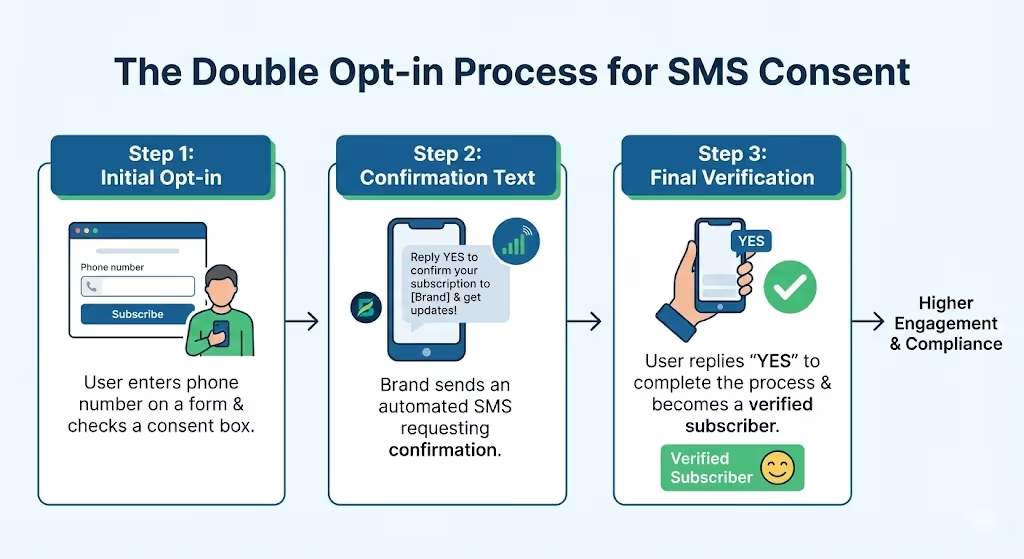
Double opt-in consists of two levels of commitment: entering a phone number and receiving a text. In the U.S., it’s a necessity for messages like cart abandonment or other behavioral messages.
Even though it may not be required by law in your country, double opt-in is important to maintain list quality and minimize spam complaints by verifying people really want your messages. It may grow more slowly, but engagement and revenue are both far higher.
Implemented properly, SMS consent safeguards your brand, increases deliverability, and builds a healthier and more lucrative SMS channel for sustainable ecommerce growth.
E-commerce brands – How to get SMS consent (and what works)
The most successful SMS campaigns do not depend on a single opt-in moment. Instead, they earn consent over time at various touchpoints, and only when relevant. For e-commerce brands, this layered approach results in better compliance and draws in a much higher quality subscriber.
One of the highest-intent moments to collect SMS consent is at checkout. The brand is already trusted by customers, and customers are expecting to receive updates on their order, so SMS seems natural at this point. The key is execution. It should always be optional, clearly disclosed, and separate from email. By approaching SMS as a utility channel for delivery updates, restock notifications, or order status, you’re likely to see continued high opt-in rates without compliance risk.
Sign-up forms are also a great touchpoint, especially when they’re targeting engaged visitors. Pop-ups and embedded forms tend to work best when they emphasize why SMS is helpful, not just the promise of discounts, and help to grow your subscriber list. Email-based SMS opt-in then becomes effective once trust is built up, and social or advanced API-driven options should be in place, without replacing the lean consent flows that respect the core compliant behaviors.
SMS Consent Is a Growth Strategy, Not Just a Requirement
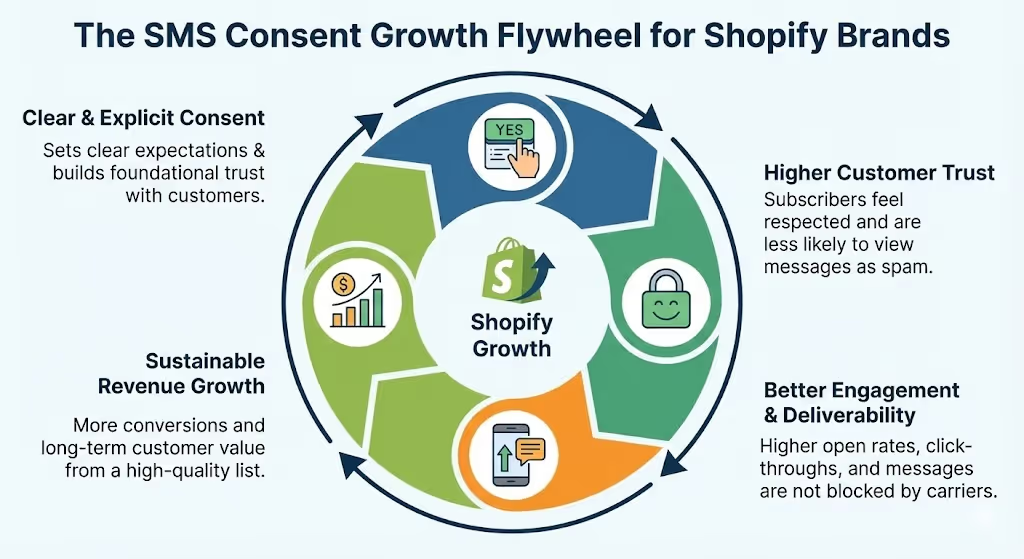
SMS is most effective when customers are in the driver’s seat. Clear opt-ins, upfront disclosure, and respectful resubscription flows don’t hinder growth. They make it sustainable.
When consent is properly managed, SMS becomes the most reliable channel in e-commerce. Subscribers are more engaged, convert more quickly, are less likely to complain, and remain longer in your funnel. Consent clarity sets expectations. Expectations build trust. And trust is what makes SMS a powerful revenue channel.
For e-commerce brands scaling in 2026, SMS consent is not a tick-box. It’s the basis on which everything else rests. Get it right, and everything that follows is better.